Article archive

EU Commission to investigate IKEA for tax fraud

The European Commission will open a thorough investigation into the corporate tax structure at Inter IKEA, one of the two groups operating the IKEA business.

The Commission has concerns that two Dutch tax rulings may have allowed Inter IKEA to pay less tax and given them an unfair advantage over other companies, in breach of EU State aid rules.

"All companies, big or small, multinational or not, should pay their fair share of tax. Member States cannot let selected companies pay less tax by allowing them to artificially shift their profits elsewhere. We will now carefully investigate the Netherlands' tax treatment of Inter IKEA," said European Competition Commissioner Margrethe Vestager.

The EU Commission will investigate whether IKEA's tax affairs violate the EU rules on state aid. This move is the latest crackdown by the EU competition authority on tax deals between EU countries and multi-nationals.

A spokesman for Inter IKEA Group said the way it had been taxed "has in our view been in accordance with EU rules. It is good if the investigation can bring clarity and confirm that."

The Commission's IKEA inquiry is focused on two tax agreements between the Netherlands and Inter Ikea which it alleges "have significantly reduced" the firm's taxable profits in the Netherlands. Inter IKEA, based in the Netherlands, operates the franchise business of IKEA, while it also collects royalties from other parts of IKEA and pays little tax on the proceeds.

Back in 2006, a Dutch tax ruling enabled Inter IKEA to pay an annual licence fee to another unit in Luxembourg, shifting to a jurisdiction where it remained untaxed. After that, in 2011, when the Luxembourg tax scheme was deemed illegal, Inter IKEA arranged a second tax ruling with the Netherlands, which focused on a loan deal with an IKEA unit in Liechtenstein, which enabled Inter IKEA to shift "a significant part of its franchise profits" to a low-tax jurisdiction.

The Commission considers at this stage that the treatment endorsed in the two tax rulings may have resulted in tax benefits in favour of Inter IKEA Systems, which are not available to other companies subject to the same national taxation rules in the Netherlands.

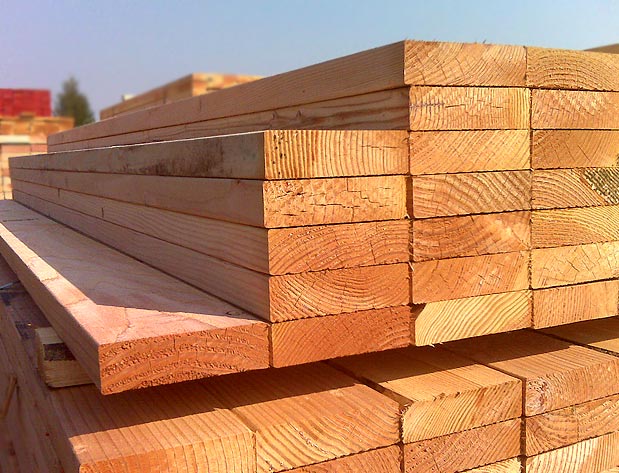


China: New green tax will add to timber production costs

It has been reported that China will introduce an environment protection tax in January this year.

This will be the first tax reflecting a ‘green tax system’ aimed at creating awareness in society of the need for environmental sustainability. Manufacturing enterprises will be affected as they will be encouraged to increase investment in environmental protection.

Currently most of provinces in China have specific environmental taxes the standards of which vary considerably depending on the carrying capacity of the local environment, pollutant types as well as the development goals behind the environmental laws.

The highest environmental taxes are levied in Zhejiang, Hubei, Hunan, Guangdong, Guizhou, Yunnan and Shanxi provinces. The tax levels are moderate in Jiangsu, Henan and Sichuan provinces. But the taxes are very high in Beijing, Tianjin and Hebei province.

As a result of the new taxes production costs are set to rise for wood product manufacturers but it will take time before the impact of the taxes can be assessed.

Strong lumber demand increases global sawlog prices

Global sawlog prices were reported higher throughout the world in the 3Q/17 and are likely to continue upward into 2018 because of strong demand for lumber in key markets.
The Global Sawlog Price Index (GSPI) was up 5.1% from the 2Q/17 to the 3Q/17, with the biggest price increases occurring in Europe and Oceania, according to the latest issue of the Wood Resource Quarterly. The Euro-based ESPI sawlog price index has gone up at a slower rate than the GSPI the past year.
Sawlog prices were up in most regions of the world in the 3Q/17. The price increases from the 2Q/17 were generally smaller in local currencies than in US dollar terms because of the weakening US dollar. In US dollar terms, quarter-to-quarter prices were up the most in Europe (+7.9%) and Oceania (+6.1%), while the upward price adjustments were more modest in North America (+2.8%) and Latin America (+2.2%).
The Global Sawlog Price Index (GSPI) has gone up for three consecutive quarters to reach $75.69/m3 in the 3Q/17. The increase of 5.1% from the 2Q/17 was the biggest quarter-toquarter jump since 2010.
In addition, the GSPI is at a three-year high because of the recent strengthening of sawlog prices throughout the world. With the outlook for continued strong demand for lumber in key markets and higher consumption of sawlogs, it is likely that the price index will continue upward in the coming quarters.
The Euro-based European Sawlog Price Index (ESPI-€) also trended upward the past year, but at a slower pace than the GSPI. The biggest price increases in Euro terms over the past year have occurred in Eastern and Central Europe, particularly in Poland, Austria and Germany, while prices only saw modest rises in the Nordic countries.

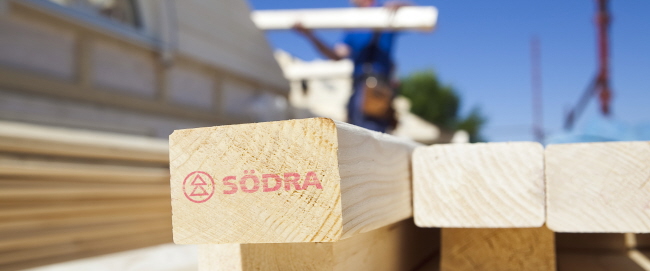
Södra’s boosts sawn timber exports to the US; forecast to rise 25% in 2018

Södra’s exports of sawn timber to the US have risen over the past four years and a further 25-percent increase is expected in 2018.

Södra has been represented in the US market since 2000 and is one of the Swedish suppliers in the market that takes a more long-term approach, the company reports in a press release.

Sales consist of structural timber, and the increase in exports is due to several factors. Construction of single-family houses using timber as the most common material is growing. The number of housing starts has doubled since the US real estate crash of 2009-2010 and housing construction is also expected to increase in 2018, resulting in greater consumption of sawn timber.

Meanwhile, production of sawn timber in Canada – the largest supplier of structural timber to the US – has been low due to fires and damage from pests.

One of the key reasons behind our strong performance in the US is our long-term approach to the market. We continued to operate with lower volumes despite a more difficult period following the crash around 2009 when many others decided to leave. This has now given us a strong position when business is improving and the market is strengthening. From our perspective, the long-term relationships we nurture with our customers play a central role,” said Andreas Jonasson, Marketing Manager at Södra Wood.

Structural timber produced from spruce and in a specific dimension is the product that primarily interests customers – mainly timber suppliers with distribution to construction sites. Although the US market is relatively small for Södra, which mainly exports timber to Europe, Andreas Jonasson views this as a positive trend.

China’s logs and lumber imports set record-high increases in 2017

China's softwood and hardwood logs imports grew by 42% during the last 5 years, while the lumber imports jumped even more, by 81%, during the mentioned period. 

Also, the country's role as the driver of global timber demand is set to fundamentally change over the next decade, RISI reports in the China Timber Supply Outlook. Thus, the imports of hardwood and softwood logs could decline by 15% or more while import growth in lumber slows sharply.

"China's forest industry, and their demand for imported wood fiber, is entering a new stage," said Bob Flynn, RISI Director for International Timber and lead author of the China Timber Supply Outlook. "Changes in government policies, highlighted at China's 19 National Congress in October, will have a direct impact on the industries that drive demand for logs and lumber. Lumber imports will keep growing, but at a much slower rate, and log imports are set to decline - which is almost unprecedented," Flynn said.

"The central government is moving aggressively to reduce financial risk and pollution. This will slow both the building construction sector and the factories that make wood products - two industries that have sustained massive wood fiber demand growth in recent years," explained Flynn.

Now, China is the biggest importer of wood fiber in the world and the largest exporter of plywood, flooring, wooden furniture, and other related products. Also, in spite if the labor costs that have been risen, there have still been record-high imports of logs and lumber in 2017.

In the years to come, the shifts in Chinese demand will be felt by timber exporters worldwide, from Australia to the US to Europe.

"Total Chinese demand for wood fiber imports will continue to grow," said Flynn, "but most of the growth will be for the pulp and paper sector. Changes will be driven not just by Chinese demand, but available supply of logs, lumber and woodchips in the exporting countries, as well as competitive demand in other markets, such as lumber in the USA or logs in India."


Moody’s: Global wood products sector to remain stable in 2018

The likelihood of strong profits from the wood products business, alongside higher prices and growth in paper packaging from increased e-commerce demand, will help to offset the secular declines in the printing and writing paper segment.

According to Moody's Investors Service, the outlook for the global paper and forest products sector will remain stable in 2018.

"The stable outlook for paper and forest products globally next year is underpinned by an expected 2%-4% growth of our rated paper and forest products companies, as strength in the wood products and paper packaging subsectors offset decreased demand for commodity paper as the shift to digital-first alternatives continues," says Ed Sustar, a Moody's Senior Vice President.

On a subsector basis, the positive outlook for wood products and timberland is buoyed by improving strong end-market demand for timber, lumber, oriented strand board (OSB) and engineered wood products as US housing starts increase about 6%, or approximately 1.28 million units, in 2018.

Bolstered by the robust demand emanating from the US homebuilding market, average lumber prices are expected to remain strong, with increased production capacity aligning to support the demand, Moody's says.

Nevertheless, analysts caution that the tight lumber markets will allow countervailing anti-dumping duties assessed on Canadian lumber exported to the US to be passed on to consumers. The issuers most expected to benefit from a combination of higher lumber prices and little-to-no lumber tariffs include Potlatch Corporation, Georgia-Pacific, Weyerhaeuser Company and Rayonier Inc.

The paper packaging and tissue and market pulp subsectors will have stable outlooks for 2018, with projected operating earnings growth of about 3%. Modest operating earnings growth in both North America and Europe is anticipated for producers of most grades of paper packaging and tissue, stemming from a combination of economic and e-commerce growth and the flow-through of announced price increases.

Similarly, modest operating earnings growth is expected in the market pulp subsector, as increased production offsets price declines across most grades in most regions. Even so, analysts caution that the ramp up in global capacity of hardwood and softwood pulp will outweigh annual market pulp demand growth near-term, reversing recent price increases across most grades in 2018.

Conversely, weighed by a projected 4% decline in operating earnings, the printing and writing paper segment will have a negative outlook for 2018, as secular paper consumption continues to decline in mature markets.

And even while capacity reduction through machine closures or conversions to other grades will likely match or exceed demand declines, thereby leading to flat or slightly higher prices across most grades, weaker paper demand overall will more than offset the modest price increases across most grades.

Lumber prices in the US affected by severe weather conditions

Despite the severe weather that interfered with the market across the continent, the framing lumber prices opened the year with a firm to stronger tone.
Distribution and dealer sales were adversely affected in the Northeast, the Midwest, and along the Atlantic Seaboard as far south as Florida. But mills in most producing regions fielded a steady flow of inquiries and sales from the outset of the holiday-shortened week.
Gains outstripped losses and the Random Lengths Framing Lumber Composite rose $3.

Week
Jan 5
Week
Dec 29
Year Ago
2017
Random Lengths Framing Lumber Composite Price* $436 $433 $357
KD Western S-P-F #2&Btr 2x4 R/L Mill Price 472 465 313
KD Eastern S-P-F #1&2 2x4 R/L, delivered Great Lakes 536 530 408
Green Douglas Fir Std&Btr 2x4 R/L (Portland) 483 475 345
Southern Pine (Westside) #2 2x4 R/L 475 473 428
KD Coast Hem-Fir #2&Btr 2x4 R/L 488 488 350
Ponderosa Pine (Inland) #2&Btr 1x12 R/L 735 735 600
* Weighted average of 15 key items

Random Lengths Panel Market Report
Severe winter weather was a prominent factor in structural panel trading. Heavy snow in the Northeast and frigid temperatures disrupted OSB production and trading in some regions.
Pent-up demand was evident in Southern Pine plywood markets despite job sites being idled by cold weather and snow. Buyers who pared inventories at year-end replenished in anticipation of warmer temperatures next week.
Western Fir plywood trading was steady, but not spectacular. Lean inventories were widely acknowledged.

(f.o.b. mill prices) Week
Jan 5
Week
Dec 29
Year Ago
2017
Random Lengths Structural Panel Composite Price* $437 $434 $370
Southern (west-east) 15/32-inch 3-ply rated sheathing plywood 450-485 440-480 345-380
Southern (west-east) 15/32-inch 4-ply rated sheathing plywood 455-490 445-485 345-385
Western 1/2-inch 4-ply rated sheathing plywood 455 452 370
North Central 7/16-inch Oriented Strand Board 305 305 282
*Weighted average of 11 key items

Indonesian forestry ministry plans to allow log exports

Bambang Hendroyono, the Secretary General of the Ministry of Environment and Forestry (KLHK), has said the decision to allow plantation log exports was made because the volume being produced was more than the domestic industry can absorb and that the quality was suitable for the export market.

Also, allowing log exports will create competition and thus yield better prices for the local planation log producers which will allow plantations owners to invest in more advanced management and harvesting systems to raise productivity.

However, the move to allow log exports has drawn criticism from the Chairman of the Association of Sawn Timber and Processed Timber Manufacturers Softwood Producers (ISWA), Soewarni, who said why, when more than 30 countries have banned log exports, would Indonesia think to open the door for this trade?

Soewarni expressed concern that poor supervision of the log export trade could provide a loophole for trade in illegal timber.

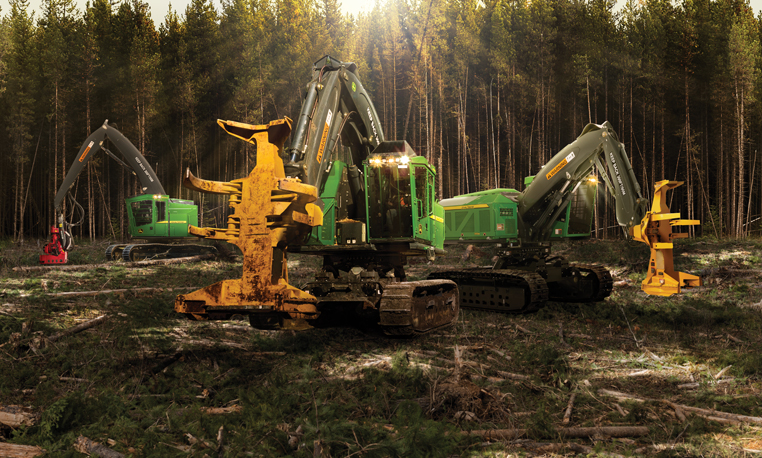
John Deere reports booming sales in construction and forestry segment

For the fourth quarter ended October 29, worldwide net sales of John Deere registered a 23 percent rise, to $8.018 billion,, and increased 12 percent, to $29.738 billion, for the full year.

Net sales of the equipment operations were $7.094 billion for the quarter and $25.885 billion for the year, compared with respective totals of $5.650 billion and $23.387 billion in 2016..

 “John Deere has completed another successful year as markets for farm and construction equipment showed improvement and our actions to build a more durable business model yielded strong results,” said Samuel R. Allen, chairman and chief executive officer, adding that the year’s sales and earnings were the fifth-highest in company history.

Construction and forestry sales increased 37 percent for the quarter and 17 percent for the year on account of higher shipment volumes, price realization and the favorable effects of currency translation.

The division reported operating profit of $85 million for the quarter and $337 million for the year, compared with an operating loss of $17 million and operating profit of $180 million for the corresponding periods of 2016.

Higher results were mainly attributable to improved shipment volumes and price realization. Results for the quarter were partially offset by an impairment charge for international operations. On a full-year basis, results were partially offset by higher warranty expenses, increased selling, administrative and general expenses and higher production costs.

Deere’s worldwide sales of construction and forestry equipment are anticipated to be up about 69 percent for 2018, including a positive currency-translation effect of about 1 percent. The outlook reflects moderate economic growth worldwide, including higher housing starts in the U.S. and increased activity in the oil and gas sector. In forestry, global industry sales are expected to be flat to up 5 percent mainly as a result of improved lumber prices in North America.

Russia might limit the exports of roundwood

Moscow is currently considering to adopt a new legislation to limit the export of roundwood and also introduce a quota system favoring companies who invest in local processing facilities.

As reported by Asia Times, long seen as a key supplier of raw timber, Russia is looking to move up the logging industry value chain. Moscow is considering legislation to limit the export of roundwood and introduce a quota system favoring companies who invest in local processing facilities.

The unification of Russia’s various timber export rules means that companies that work on value-added products would see export duties drop to 6.5% from 25% at present. Moreover, only firms with processing facilities in Russia’s Far East will be able to obtain a quota for the export of unprocessed timber.

The move is intended to drive an increase in timber processing volumes in the Far East, which is a major supplier for China and other Asian markets. At present, most timber exporters based in the region engage only in the sale of unprocessed timber. The Far East accounts for a quarter of Russia’s total timber reserves but only eight percent of processed timber volumes.

We want to set a quota for the export of untreated timber from the Far East and link it to the volume of investment in processing. It will be a low duty, and a quota. For those who do not go on to develop processing capacities, in a few years the export duty will rise significantly,” Deputy Minister of Industry and Trade, Viktor Yevtukhov, told the media.

Timber processors operating in the Russia's Far East are expected to have their tariff-linked quota set at four million cubic meters a year, starting from 2018. The current production of untreated timber is around 16.5 million cubic meters a year, Asia Times reported.

The share of the tariff quota allotted to each company will be based on its forest products export volume from the previous year. To qualify for the new scheme, companies will need to make sure that processed timber products make up at least 20% of their total product export value. That ratio will rise to 25% in 2019, and subsequently increase to 30% in 2020 and 35% in 2021. The change in the timber export system still needs to be approved by the government.

Russian timber volumes are growing. Last year, raw timber exports increased by 3.2% and amounted to 20.7 million cubic meters. The largest importer was China, which bought 12.76 million cubic meters,  8.5% more than in 2015. In general, China accounts for more than 60% of Russian timber sales.

The reason Russia introduced 25% export duties was the country’s accession to the WTO and the obligations that this brought, according to Natalia Antonova, chief researcher at the Far Eastern Branch of the Institute for Economic Research.

Starting in 2007, export duties began to increase: first to 15%, then to 25%,” she said. “Later on, individual tree species – spruce and pine – saw export quotas slapped on them [and] the duty on spruce was cut to 13%, and on pine to 15%.

In the Far East, the trees that make up the bulk of the exports are larch and Ayan spruce. “These are breeds that are not subject to quotas and reduced duties, and they were exported with a 25% tariff,” Antonova said. “This was a violation of competitive conditions. Now the situation
can be corrected. Decreasing the duty to 6.5%, in my opinion, is  restoring justice to the situation.”

As reported by Asia Times, changes in the duties and quota system should be a boon for large timber firms. Mid-sized firms will now have an incentive to get into processing, while smaller outfits can be integrated into the bigger supply chains, Antonova said. “These measures are being passed in order to reduce the cost of production of the exported goods, making it more competitive abroad. I’m not sure that we’ll see a lot more investment, as already a lot has been invested. But, the measures may help existing facilities to operate at or near capacity, which they are not doing right now because the products are less competitive.”

Forestry industry analyst Igor Novoselov believes that the government is using the quota system to bolster the volume of processed timber, while for timber processing companies it is a way to secure enough raw materials inside Russia’s Far East.

The total timber reserves in the Russian Far East are 21 billion cubic meters, or 51% of the entire Asia-Pacific forest volume. More than 80% of the forest of the Far East is made up of coniferous species and the largest resources are in the Sakha Republic (Yakutia), a territory inside the Far East region that by itself is the size of India. Sakha’s 8.8 billion cubic meters of forest resource is followed by the Khabarovsk territory, which has 5.2 billion cubic meters.

The largest timber exporters in the Far East are in the Primorsky and Khabarovsk territories. They include: OOO Business Marketing, JSC Terneyles, AO Shelekhovsky Integrated Timber Industry, ZAO Les Export, and JSC Primorskiye Lesopromishlenniki.

Most major timber companies declined to comment on the proposed changes for the industry and the government’s new measures. However, a representative of Primorsk-based JSC “Mining Company” AIR, which also runs a timber extraction, processing and export business, said the company does not expect to experience wholesale changes due to the measures.

The representative said, however, that the company hopes there will be more raw materials available on the local market and that it will be able to use its production facilities to capacity. AIR currently supplies 80 cubic meters of timber but has the capacity to produce 100 cubic meters.

Gabon has the potential to become a world leader in certified tropical timber production

Gabon has developed an industrial strategy aimed at managing timber stocks sustainedly, as the country further plans to become a world leader in certified tropical timber production.

For Gabon, the timber industry is already the largest private sector employer, employing 28% of the working population, and represents an extremely significant growth potential, as reported by Times Now News.

Also, the timber exports represent Gabon's second main export after oil and manganese, accounting for roughly 9% of the country’s total value of exports. Around 10.7 million hectares of Gabon’s 21 million hectares of rainforest are allocated as concessions for commercial timber production

Okoume, a light hardwood used for plywood, is the most commercially viable, but some two dozen species are marketed. The vast majority of Gabonese timber production is exported to China.

Back in 2010, the government banned the export of unprocessed wood to encourage local processing and export of finished goods. A special economic zone (SEZ) at Nkok, just outside of Libreville, was designed as "one-stop shop" for companies to process and then export wood products, but although the SEZ since expanded to include businesses in industries beyond timber processing, it has encouraged the emergence of a wood-based manufacturing sector.

The SEZ provides single-window business services to participants and provide new investors with beneficial fiscal incentives, including tax-free operation for 25 years, no custom duties on imported machinery and parts, and 100 percent repatriation of funds.

The forest code is currently being revised in order to simplify procedures for foreign companies investing in the SEZ to negotiate forest concessions.

There are opportunities for US firms in wood processing, especially for operations that focus on environmental sustainability.

The World Bank and the International Monetary Fund (IMF) are currently working with the government to reform its timber industry to improve and enforce transparency, simplify the tax code, and improve responsible logging practices.

The government is also in the process of reforming the forest code to increase transparency and sustainable business practices and to improve the business climate for foreign companies looking to operate in Gabon.

US imports 71% more softwood lumber from EU countries

The US has imported 71% more softwood lumber from the European Union countries during January-September 2017, as compared to the same period in 2016, as the Canadian softwood imports were pushed down by the countervailing duties.

The imports amounted to 2,192,672 m3 during the mentioned period, with the Netherlands being the top exporter (1,375,509 m3, up by 49%). Germany exported 238% more softwood lumber to the US, reaching a volume of 362,266 m3, while Sweden sent 58% more shipments, to 265,378 m3.

Thus, as the Canadian companies, which used to send most of the softwood lumber to the US, will now have pay duties, a reason why the imports from the European Union countries have become more attractive.

For the moment, Canada can't officially challenge the US tariffs until after final decisions are made about the level of duties to be imposed some time this fall.

Canada and the US are trying to negotiate a new softwood trade deal to replace one that expired in 2015, but thus far have been unable to come up with a plan acceptable to the US Lumber Coalition.

Until further resolution for the issue, the US searches for new softwood lumber markets to fulfill the industry's demand.

Softwood lumber exported to USA from... (in cbm )

Exporting Country 2016 2017 Change in %
European Union 1,279,226 2,192,672 71 %
Netherlands
920,710 1,375,509 49 %
Germany
107,267 362,266 238 %
Sweden
168,308 265,378 58 %
Austria
26,359 59,704 127 %
Romania
31,589 57,769 83 %
Others 24,993 72,046 188 %
TOTAL 1,279,226 2,192,672 71 %

Belarus softwood lumber exports to the EU up by 50%; following roundwood export ban

Softwood lumber exports from Belarus to the European Union countries have went up during January - September 2017, by 47%, to a total of 1,262,007 m3.

The EU top importer was Germany, which increased its softwood lumber imports from Belarus by 43%, to a total volume of 387,869 m3, during the mentioned period. Latvia also increased its imports, by 105%, to 270,036 m3, followed by Lithuania, where the softwood lumber imports from Belarus went 41% up, to 245,085 m3.

Starting January 1st 2015, Belarus has banned the exports of unprocessed wood, so the logs deliveries to Europe have stopped ever since. The decision was made by the Belarusian president, Aleksandr Lukashenko, as to raise the volumes of wood processed within the country.

Softwood lumber imported by EU  from Belarus (in m3 )

Importing Country Jan - September 2016 Jan - September 2017 Change in %
European Union 855,812 1,262,007 47 %
Germany
271,093 387,869 43 %
Latvia
131,809 270,036 105 %
Lithuania
173,595 245,085 41 %
Poland
65,133 125,617 93 %
Netherlands
96,227 84,457 -12 %
Others 117,955 148,943 26 %
TOTAL 855,812 1,262,007 47 %

US trade commission rules against Canada on softwood lumber imports

The Canadian federal government will defend Canada's softwood lumber industry in the softwood lumber trade and after the US International Trade Commission unanimously voted that the US producers have been affected by imports of subsidized Canadian lumber.

The US Commerce Department last month lowered preliminary duties. Most Canadian producers will pay a combined countervailing and anti-dumping rate of 20.83 per cent, down from 26.75 per cent in the preliminary determinations issued earlier this year, according to the Financial Post.

The ruling virtually ensures that hefty duties on imports of the building material will remain in place for five years. The duties have driven up the price of lumber, adding to the cost of building a home in the United States. Canadian unions and lumber companies fear the issue will eventually cause layoffs.

The US agency voted 4-0 on the 7th of December, along with the US Lumber Coalition, which stated that the Canadian lumber was subsidized and that it was dumped into the American market at artificially low prices.

Most Canadian producers will now pay a combined countervailing and anti-dumping rate of 20.83 per cent, down from 26.75 per cent in the preliminary determinations issued earlier this year. Canadian producers have paid about $500 million in deposits for the duties thus far. The duties have added to the cost of building a home in the United States. Canadian unions and lumber companies fear the issue will eventually cause layoffs

Thus, West Fraser Timber pays the highest duties at 23.7 per cent, followed by Canfor, at 22.13, and Tolko at 22.07. Resolute Forest Products pays duties at 17.9 per cent and J.D. Irving at 9.92 per cent.

Canada’s share of the U.S. market is below 34 per cent.

The U.S. Lumber Coalition, which launched a petition nearly a year ago, applauded the vote.

The evidence presented to the ITC was clear — the massive subsidies that the Canadian government provides to its lumber industry and the dumping of lumber products into the U.S. market by Canadian companies cause real harm to U.S. producers and workers,” stated co-chairman Jason Brochu.

In its final arguments to the commission, the Canadian government and the lumber industry said there is no evidence the U.S. industry has suffered harm since it is in the midst of the most profitable period on record.

Any industry can insist that it should have been more profitable than it was,” said the filing. “But the commission should look skeptically upon a claim that a wildly successful industry is suffering or threatened with material injury by reason of subject imports.

Chinese company to invest $1.5 billion in a pulpmill in Russia’s Far East

On November 28, 2017, Investment Agency of the Far East and China Paper has signed a Memorandum of understanding to implement the project of a pulpmill in Amursk, Khabarovsk region.

It is expected that the plant will produce up to 500,000 tonnes of pulp of several types for the Chinese market, the investment will be about $1.5 billion, as WhatWood reported.

According to the signed Memorandum, the mill site will be included in Komsomolsk advanced development zone, which will enable investors to obtain significant tax benefits.

China Paper belongs to China Chengtong Holdings Group, which was founded in 1992 and is a major public corporation under the control of the Committee on state property of the State Council of the PRC. The company has been working in Russia since 1996.

As WhatWood reported, the portfolio of completed projects includes Druzhba trading house (Moscow) and Greenwood international trade center in Krasnogorsk, Moscow region. Authorities of Khabarovsk region had said earlier that they may take unused forest land away from the non-abiding tenants in favour of the projected pulpmill.

Deputy Prime Minister, presidential plenipotentiary envoy to the Far Eastern federal district Yuri Trutnev at the meeting in Khabarovsk called on the regional authorities to remove obstacles to the implementation of this project.

The mill will require 2.5 million m3 of low-grade wood and wastewood. According to the Governor Vyacheslav Shport, there are 29 regional companies that do not comply with state obligations: the development of forest area is only 20%, in some cases even few percent.

Later, Yuri Trutnev at a meeting in Beijing with the President of China Chengtong Holdings Group Zhu Busin expressed the view that the increase in export duties for Far Eastern logs will also help to supply the new Russian-Chinese pulpmill with resources.

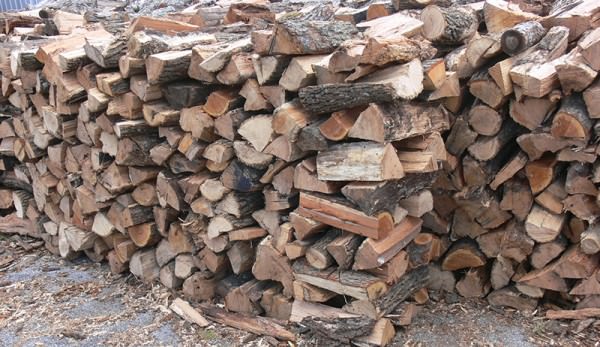
Romania firewood prices went up by 250% during 2011-2017

Prices for firewood in Romania increased by 250% during 2011-2017, to RON 300/m3. Yet, there are maximum prices of RON 600/m3 in the South of Romania.
According to Business Review, during the same interval, the prices variations for timber on the international markets were plus/minus 10 percent. In Romania for the wood mass, the average price started in 2011 from RON 71/cubic meter and continued in 2012 to RON 85/cubic meter and in 2017 it reached RON 181.29/cubic meter.
The wood industry in Romania reached the highest prices on the wood resource in Europe for beech (EUR 85-90/m3). In comparison, the tariffs for other European countries are: Serbia (EUR 45/cubic meters), Slovakia and Poland (EUR 60-65/cubic meter), in France (EUR 65/cubic meter) and Germany (EUR 80/cubic meter).
At the moment, the Romanian forest surface is 6.9 million hectars and the wood volume reaches 2.2 billion cubic meters.

Turkish furniture sector producing foreign trade surplus for the last 13 years

The Turkish furniture sector has been producing a foreign trade surplus for the last 13 years and is expected to reach $3 billion in exports and $700 million in imports this year.

The local furniture sector achieved $180 million in exports and $200 million in imports at the beginning of the 2000s, started to increase these figures as of 2003, Furniture Industry Businessmen Association (MOBSAD) Chairman Nuri Gürcan said.

As reported by Daily Sabah,  the furniture sector is one of the fastest growing sectors in the last 15 years and that reaching $10 billion in exports is among their 2023 targets. Also, there are almost 65,000 workplaces in the furniture sector, including stores, and 200,000 people are employed directly, along with 10,000 exporters and 36,000 producers.

"The number of large firms in our sector is very few because 90 percent of our sector consists of SME-sized companies. Our industry, which has been continuously growing for almost 15 years and has gained momentum especially with the growth of the construction sector, has reached a serious figure in foreign trade surplus," Gürcan said, indicating that the number of companies achieving $1 million in exports, which was 400 in 2015, reached 571 in 2016.

This year, the number of companies that export approximately $1 million worth of wood products from Turkey will reach 700. These companies export to 172 countries and 202 customs points and increased the exports to Saudi Arabia, the United Arab Emirates and the United States, while experienced a decline in countries such as Libya and Iraq.

Gürcan said that they focus on alternative markets such as China, Nigeria and India and that they closed last year with $2.5 billion in exports and expect to reach $3 billion this year. Turkey increased furniture production quality since the beginning of the 2000s and its added value in the last period by bringing design to the front, he added.

Gürcan added that export value per kilogram, which was around $1.7 15 years ago, is now up to $3.7 in the furniture sector. "We reach an export figure four times imports. Our sector, which has a very high locality ratio, has been generating a foreign trade surplus for 13 years," he noted, adding that the sector, which generates $20 billion in production capacity, exports 34 percent of the annual furniture production of $7 billion, while this rate was 13 percent at the beginning of the 2000s.

"To increase export value per kilogram in furniture, we should focus on R&D and design and break the perception of ‘better quality than China, cheaper than Italy' and create the perception of ‘Turkish furniture' in the world," Gürcan said.

"What remains is to build a brand and do the right marketing. If we can do that, we can move our export figures upwards in dollar terms," he explained.

Given the fact that Turkey sells furniture to the world's furniture production base China, Gürcan suggested that the sector needs to improve its performance in the areas of design, branding and marketing to overcome the fragility of existing markets in exports and to reach traditional markets with high purchasing power such as the European Union and North America, according to Daily Sabah.

Gürcan said foreign residential sales, which increased by 70 percent on average in September and October, also positively affected the furniture sector, adding that the rise in foreign residential sales was about 30 percent higher than in the first 10 months of last year.

Noting that there was a 60 percent increase in foreign residential sales, especially in Istanbul, compared to the same period last year, Gürcan said foreign residential sales were made mostly to citizens of Saudi Arabia, Iraq, Azerbaijan, Kuwait, Libya and Russia.

Record prices for softwood lumber in North America, and rising lumber export prices in Sweden, Finland and Russia

Record high prices for softwood lumber in North America in the 3Q/17 and rising lumber export prices in Sweden, Finland and Russia were reported, as lumber demand picks up in key markets.

Global Lumber Trade

Demand for imported softwood lumber to the US has fallen by six percent during the first nine months of 2017 as compared to the same period in 2016. In contrast, Chinese import volumes have been up 21% year-over-year, reports the Wood Resource Quarterly.

The lumber trade in Europe has also picked up in 2017 with the United Kingdom, the Netherlands, Austria, Denmark and Spain having increased imports the most so far in 2017. Countries in the Middle East and North Africa, also known as the MENA countries, have sharply reduced consumption of lumber this year.

In the first eight months of 2017, Egypt and Algeria (the two biggest lumber consumers in the region) have decreased their imports by 24% and 39% respectively as compared to the first eight months of 2016.

Lumber markets – North America

Lumber consumption in the US did not change much during the first eight months of this year as compared to the same period in 2016, according to the Western Wood Products Association. However, there was an increase in demand during the third quarter, which was met by higher domestic production both in the South and the West.

According to WRQ, US lumber production has gone up by 3.2% year-over-year, and the only region of North America that saw a reduction in lumber production this year was British Columbia. In August when the forest fires were at their peak, production was 8.7% lower than in August last year.

Increased lumber demand in the Western US and Asia pushed Douglas-fir lumber prices to record highs in the 3Q/17. In the US South, prices for pine lumber were stable during the summer but picked up in the fall after the two hurricanes impacted both the log flow and lumber demand.

Lumber markets – Northern Europe

Shipments of lumber from the Nordic countries slowed in the 3Q/17, with export volumes for Finland and Sweden being down 13% and 18% respectively from the previous quarter. The biggest change in destinations for exported lumber for both countries over the past two years has been the expansion in sales to Asia. In 2017, 20% of the export lumber volume from the Nordic countries was shipped to China and Japan. Lumber prices in both Finland and Sweden strengthened in 2017, and in August, reached their highest levels since early 2015.

Lumber markets – China

Chinese softwood lumber importation is likely to reach a new record high in 2017. During the first nine months, imports were 21% higher than in the same period in 2016, with volumes in the second and third quarter being the highest quarterly imports on record. Russia has been increasing its share of the Chinese lumber market, accounting for 57% of total imports in the 3Q, up from 52% in 2015, according to the WRQ. Average import prices to China have continued their three year climb this fall and were 19% higher in September than in early 2016 when they were at an eight-year low. Lumber market – Japan

The lumber market in Japan has been very stable in 2017. In fact, import volumes have consistently ranged between 1.5 and 1.6 million m3 per quarter over the past few years. There have been small shifts in supply sources, with a slight decline in Canadian lumber supply and an increase in shipments from Finland. Prices for domestic and imported lumber to Japan have remained unchanged throughout 2017 in Yen terms except for prices for imported Douglas-fir, which have gone up six percent from January to November.

Lumber market – Russia

The Russian sawmilling sector continues to add capacity in Siberia and the Far East, targeting the expanding demand for lumber in China. Just during the first eight months of this year, Russia increased shipments to China by 23% as compared to the same period in 2016. Although Russian lumber prices have not changed much in Ruble terms over the past two years, there has been a steady increase in export prices as measured in US dollars.

European sawmills report static hardwood production

The European domestic hardwood supply situation was summarised at this year's International Hardwood Conference (IHC) by EOS Board Member Nicolae Tucunel.

He reported that European annual sawn hardwood production has remained static at around 10.9 million m3 in the last three years despite the gradual economic recovery. Lack of raw material was highlighted as a problem in Germany, France and Belgium, where about 30% of hardwood sawmills across the three countries have been closed in the last decade.

Mr Tucunel said that that supply problems this year have become particularly pronounced in Romania, where production is constrained both by declining log harvests and lack of finance for investment in wood processing, and in Croatia where the government implemented a ban on exports of oak logs and lumber over 20% moisture content, ostensibly for phytosanitary reasons.

EU exports of hardwood logs to China have also been high this year, at 1.47 million tonnes in the first nine months, 10% more than the same period in 2016, with around 50% comprising oak. As in North America, the level of log exports to China is now creating concern in the European hardwood processing sector.

“We must insist on a level timber market playing field,” said EOS President Sampsa Auvinen, “without raw material the European sawmill industry will be forced out of the market.”

Role of EUTR in trade diversion away from Europe

Raw material availability and distribution also formed a core theme for Davide Pettenella of Padua University. He addressed whether national and regional timber legality controls were creating a ‘dual market’ for tropical timber.

His study compared trends in primary tropical timber product imports by EU states, the USA and Australia, representing developed countries with strict timber market legality regulation, and China, Vietnam and India representing emerging consumers with lighter controls.

This highlighted import swings to the latter. In 2001 of all tropical timber imported by these countries, the developed economies accounted for 63% and 72% by volume and value, the emerging countries 37% and 28%. Today the respective division is 44% and 47% and 56% and 53%.

While legality controls may be implicated in this trend, Mr Pettenella said it was not the exclusive factor. “Emerging countries’ economic development and increasing southsouth trade are also involved,” he said.

In fact, his conclusion was that monitoring should focus more on these emerging market trends. “It’s a phenomenon which should be of interest to policy makers,” said Mr Pettenella. “In 1990, there were just 20 regional trade agreements. Today there are 283.”

Sweden: Martinsons to cease sawn timber production at Hällnäs sawmill due to high production costs

Martinsons will cease sawn timber production in Hällnäs sawmill in Sweden. There are 43 members of staff at the Hällnäs plant.

Everyone will be offered employment in Bygdsiljum sawmill, when production ends in time for the 2018 summer holiday. The plan is now to sell existing machinery, as the company says in the press release received by Lesprom Network.

The main reason for the move is the need to render the Group's total production more effective. The cost of producing one cubic meter of sawn timber is approximately 50% higher in Hällnäs than in Bygdsiljum.

The plant in Hällnäs has been owned and operated by Martinsons’ since 1996. During this time, the company has invested over SEK 100 million ($11.8 million) in sawmill.

The Martinsons Group is one of Sweden’s largest producers of glulam and construction systems for apartment blocks, buildings and bridges in wood.

Newsletter

Subscribe to our digital newsletter for your daily digest of essential news, views and analysis from the international wood industry delivered directly to your inbox.


0