Article archive

China expands dominance in US wooden furniture imports

US wooden furniture imports declined slightly in June to US$1.61 billion, but year-to-date imports remain well above June 2016 levels (+10%).

Year-to-date imports from all major supplier countries were up in the first half of 2017, compared to the same time in 2016.

Furniture imports from China, Mexico and Europe grew in June, while imports from Vietnam, Canada, Malaysia, Indonesia and India were down from the previous month.

China increased its share in US wooden furniture imports in June accounting for over 50% of imports of the top seven shippers.

Imports from Europe were worth US$143 million in June, up 6% from May. More recently the euro-dollar exchange rate has become less favourable to European exporters, which is likely to dampen the growth in European furniture exports to the US.

Non-upholstered seating furniture and office furniture imports dropped the most in June (14% and 13%, respectively). Kitchen furniture imports increased by 3% in June while imports of upholstered seating were unchanged from May.

Slowing pace of EU tropical timber imports during first half

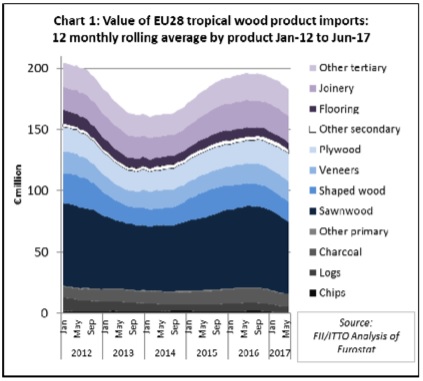
The slowdown in EU imports of tropical timber products registered in the first quarter of 2017 continued into the second quarter.

Twelve monthly rolling average imports, which peaked at just below Euro196 million in June 2016, fell to Euro183 in June 2017. Most of the rise and subsequent slowdown in EU tropical imports was driven by sawn wood. (Chart 1).

The decline in EU tropical wood imports this year is, in some ways, even more troubling than other larger downturns which have regularly afflicted the European trade in the last decade.

The downward trend runs contrary to broader economic conditions across the continent which, while hardly buoyant, are more robust than at any previous time in the last five years.

The downturn comes at a time when EU tropical wood imports have barely recovered from the all-time low of 2013 and affects nearly all products and EU markets.

Lumber trade in the US intensified at the end of August

Framing lumber sales in the US have increased during the last week of August. Traders paid attention to much more factors, which impacted the supply and demand.
The postponement of the final determination in the CVD/AD investigations extended the period in which no CVD will be collected until at least the end of the year. Historic flooding shut down shipping in and out of parts of Texas.
The Houston area consumes far more Southern Pine lumber than it produces, so the storm’s initial impact was much more extensive on the demand side.

Week
Sep 1
Week
Aug 25
Year Ago
2016
Random Lengths Framing Lumber Composite Price* $403 $405 $354
KD Western S-P-F #2&Btr 2x4 R/L Mill Price 395 385 311
KD Eastern S-P-F #1&2 2x4 R/L, delivered Great Lakes 485 482 421
Green Douglas Fir Std&Btr 2x4 R/L (Portland) 455 460 332
Southern Pine (Westside) #2 2x4 R/L 360 363 409
KD Coast Hem-Fir #2&Btr 2x4 R/L 420 425 330
Ponderosa Pine (Inland) #2&Btr 1x12 R/L 675 680 695
* Weighted average of 15 key items

 
Random Lengths Panel Market Report
Structural panel prices jumped as a consequence of the activity late in the week. Prices of OSB adjusted in both directions.
Heavy volumes sold in the South starting Wednesday in the wake of historic flooding in Texas from Hurricane Harvey. Low inventories and reaction to Hurricane Harvey fueled frenetic trading in Southern Pine plywood through most of the week.
Producers raised quotes rapidly and encountered minimal pushback from buyers. The western Fir plywood market kicked into high gear on Wednesday after a slow start to the week.

(f.o.b. mill prices) Week Sep 1 Week
Aug 25
Year Ago
2016
Random Lengths Structural Panel Composite Price* $461 $450 $391
Southern (west-east) 15/32-inch 3-ply rated sheathing plywood 400-420 370-390 370-389
Southern (west-east) 15/32-inch 4-ply rated sheathing plywood 405-425 375-395 372-390
Western 1/2-inch 4-ply rated sheathing plywood 482 468 420
North Central 7/16-inch Oriented Strand Board 414 414 300
*Weighted average of 11 key items

BSW Sawmills UK log buying team will be merged with Tilhill’s timber harvesting team

The final stage of the completion of Tilhill Forestry’s integration into the BSW Group has been announced on the 1st of September by George McRobbie, Managing Director of Tilhill Forestry.

This last stage involves the combining of the BSW Sawmills UK log buying team with Tilhill Forestry’s timber harvesting team.

The integration process will start immediately and will be a phased process completing by 31st March 2018. Once the integration is complete Tilhill Forestry will have sole responsibility for the sawlog supply into BSW’s UK sawmills.

Tilhill Forestry will continue to supply sawlogs, small round wood and biomass to its other customers with no change to the current security of supply or contract terms.

George McRobbie said: “This is an exciting opportunity for both companies and is a logical consolidation following the acquisition of Tilhill by BSW two years ago. This change will bring efficiency gains and provide a strong and robust foundation for us to develop improvements to the timber supply chain not just for BSW but for Tilhill’s other customers too.”

Harry Stevens’ role on the Tilhill Board of Directors will change. He will become the Timber Buying Director and be responsible for the expanded timber buying and harvesting function. He added: “Combining the two teams will make the best use of the skill sets and talent we have across the organisation. The new set up will be good for the company, our staff and our customers.”

Gavin Adkins’ role as Commercial Director at Tilhill will become full time and Peter Whitfield, currently Timber Operations Director, will be moving to a new role as Business Development Director. These appointments will take place with immediate effect.

Waste wood classification change might be ‘catastrophic’ for UK’s recycling

The UK Environment Agency changes to waste wood classification might reduce the recycling rate in the country by 2% to 6% per year, waste industry groups claim. Continue reading "Waste wood classification change might be ‘catastrophic’ for UK’s recycling"

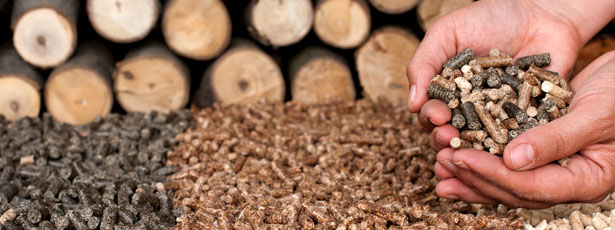
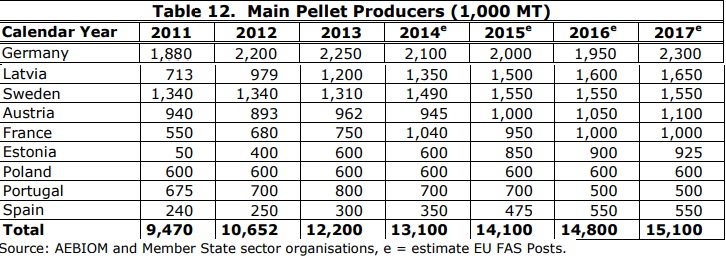
Production of wood pellets in the EU reached 14.8 mmt in 2016

The EU is the world’s largest wood pellet market, with consumption of about 22.2 MMT of pellets in 2016.

Based on the EC mandates and MS incentives, the demand is expected to expand further to about 25 MMT in 2018. Future consumption will significantly depend on a range of market factors and in particular MS incentives and conditions.

With a production of about 14.8 MMT in 2016, about fifty percent of global production, the EU is the world’s biggest producer of wood pellets. Compared to production plants in North America, plants in the EU are mainly small or medium-sized.

Most of the main pellet producing countries have a sizeable domestic market for residential heating pellets. Recent growing demand for pellets has supported a further increase in domestic production.

Exceptions are Latvia, Estonia and Portugal, which are producing mainly for export for use in large scale power plants abroad.

Germany is the third largest wood pellet producer in the world after the United States and Canada. It has currently about seventy production facilities for wood pellets with a total annual production capacity of 3.5 MMT. In 2016, production amounted to 2.0 MMT, 90 percent of which were produced from residues of the timber industry. The vast majority of the wood pellets produced in Germany are used for heating.

Wood pellet production has expanded rapidly in the Baltic Region (Latvia, Lithuania and Estonia) during the past five years. In 2016, however, expansion of production and exports has been limited to about 125,000 MT compared to 2015. With about 1.6 MMT, Latvia is the main producer in this region. The Baltics are producing both for the residential and industrial markets. The main markets are Denmark, the United Kingdom, Italy and Sweden.

The third largest producer in the EU is Sweden. Depending on domestic use, Swedish selfsufficiency fluctuates between 70 and 90 percent. In years of high demand, Sweden imports from Russia and the Baltics.

French wood pellet production has stabilized during the past three years. In 2015, French production decreased after two warm winters and a decrease in the price of fossil fuels.

Austrian pellet production followed a moderate growth rate during the past three years. This expansion is based on an increasing domestic as well as foreign demand, mainly in Italy and Germany.

Another growing pellet producer is the Czech Republic. Czech production increased from about 150,000 MT in 2010 to 300,000 MT in 2016. About half of this production expansion is exported, mainly to Italy and Austria.

There is an excess of capacity present in most MSs, but particularly in Spain. Only about forty percent of the Spanish production is being used. The major raw material for pellets has traditionally been sawdust and byproducts from sawmills. With increasing competition for sawdust resources, a broader sustainable raw material is becoming necessary.

There is increased interest in forest residues, wood waste and agricultural residues, but even the volume of these additional feedstocks will not be sufficient for supplying the full demand in Western Europe.

Overall, EU wood pellet production is not expected to be able to keep up with the demand from both the residential heating market and for power generation.

Wood pellets price in Austria on the rise in August

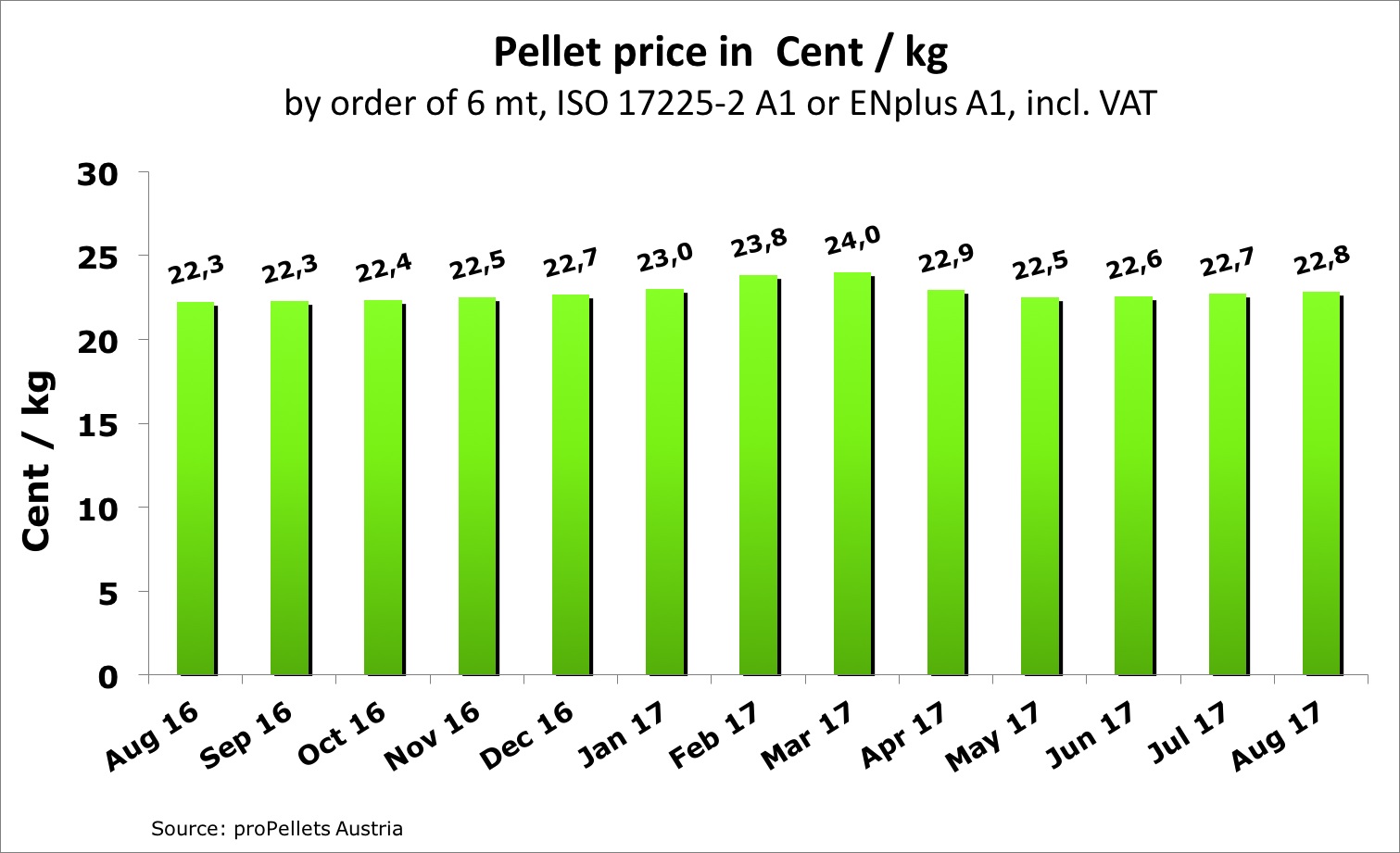
EN plus A1 wood pellets in Austria have reached the average price of EUR 228.2/tonne during August 2017.
As compared to the same period last year, the price went up by 2.6%. At the same time, when compared to July 2017, the price increased by a minor 0.5%.

Austrian wood pellets presently offer a price advantage of 41.1% as opposed to extra light heating oil and 77.0% as opposed to natural gas.
 
In August, wood pellets in bags cost an average of EUR 3.83 per 15 kg sack (when ordered by the pallet): +1.7% higher compared to the previous year and -0.6% lower from July 2017.


Roundwood prices in Estonia on a downward trend

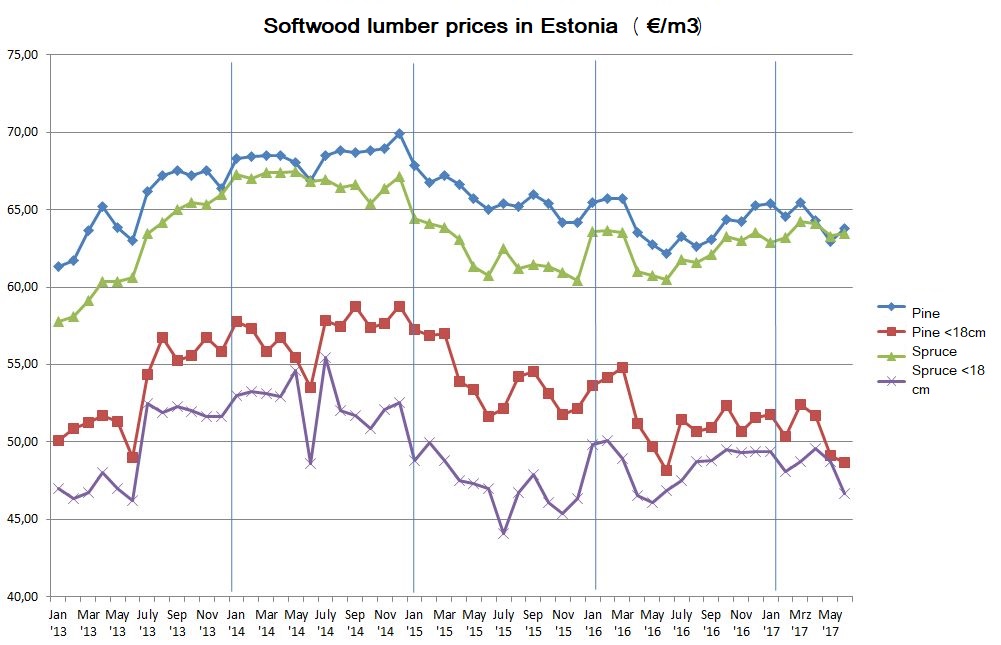
Roundwood prices in Estonia during June 2017 kept the same levels as in the previous month. Yet, even if the prices continue to be low, they are still higher than in June 2016.

Again, pine is more expensive than spruce, as it was the case in May. Small-sized sawlogs and other assortments prices have declined as compared to May. More pronounced was the price fall of pine pulpwood and birch plywood.
From June 2016 to June 2017, prices for almost all roundwood assortments are higher: birch plywood, followed by spruce pulpwood have registered the highest increases, but also pine sawlogs and spruce pulpwood reported significant price rises.

Jun'16 €/m3 May'17 €/m3 Jun'17 €/m3 Change% Jun 16/Jun 17 Change% May /Jun 17
Pine sawlogs

62,15

62,92

63,77

2,61%

1,35%

Pine sawlogs d<18cm

48,18

49,12

48,65

0,98%

-0,96%

Spruce sawlogs

60,51

63,30

63,46

4,88%

0,25%

Spruce sawlogs d<18cm

46,89

48,77

46,70

-0,41%

-4,24%

Birch plywood

85,36

111,52

96,80

13,40%

-13,20%

Birch veneer

55,45

58,07

55,58

0,23%

-4,29%

Pulpwood
Pine pulpwood

22,94

24,87

21,07

-8,15%

-15,28%

Spruce pulpwood

21,69

24,90

23,07

6,36%

-7,35%

Birch pulpwood

23,37

22,95

22,57

-3,42%

-1,66%

Aspen pulpwood

17,00

18,41

17,87

5,12%

-2,93%

Firewood

18,15

18,74

18,19

0,22%

-2,93%

Weyerhaeuser completes sale of timberlands and operations in Uruguay

Weyerhaeuser announced the completion of the sale of its timberlands and manufacturing business in Uruguay to a consortium led by BTG Pactual's Timberland Investment Group (TIG) for $402.5 million in cash. The company expects it will incur minimal taxes in conjunction with the sale.

The transaction includes over 300,000 acres (120,000 hectares) of timberlands in northeastern and north central Uruguay, as well as a plywood and veneer manufacturing facility, a cogeneration facility, and a seedling nursery.

"The TIG consortium is acquiring a unique combination of high-quality timber and manufacturing assets and gaining an exceptional team of highly-skilled employees," said Doyle R. Simons, president and chief executive officer. "I want to thank the employees of the Uruguay team for continuing to operate safely throughout the strategic review process and for their contributions to Weyerhaeuser over the years."

Weyerheauser owns and controls more than 13 million acres primarily in the U.S. and manages additional forests in Canada under long-term licenses.

Germany: Producer prices for wood products on an upward trend

In July a slightly upward trend for the German wood products price index could be noticed. As compared to the previous month, only the index values for boards, planed softwood and pellets have decreased minorly.
The value of battens, wood chips and particleboard remained unchanged over June. The value of other products has increased slightly, with the strongest increase in hardwood lumber assortments.
Also year on year, the index is in uptrend. Only five index values show an opposite trend. Again, the increase is more pronounced in hardwood lumber assortments. In addition, wood chips have clearly risen.

Germany's Producer Price Index Commercial Products
(2000=100)

July 2016

June
2017

July 2017

Change 
July 2016/2017

Spruce and Fir lumber (Picea abies Karst.)

116,6

114,4

114,7

-1,62%

Lumber according to DIN 4074/S10

116,5

116,5

117,1

+0,51%

Finger-jointed squares and beams (KVH)

104,8

98,9

99,3

-5,24%

Boards, width over 16 cm

122,6

122,0

123,0

+0,32%

Boards, width from 8 to 16 cm, size from 15 to 24 mm

110,6

111,3

111,1

+0,45%

Roof battens according to DIN 4074/S10

122,2

118,7

118,7

-2,86%

Stock squared timber, A/B, 10X10 - 12X12

114,3

115,4

115,8

+1,31%

Softwood, size>6mm, planed, sanded, finger-jointed

112,8

111,3

111,2

-1,41%

Wood chips from softwood

96,8

99,8

99,8

+3,09%

Pellets and Briquets, compressed

118,4

119,4

118,9

+0,42%

Hardwood lumber

108,9

110,5

111,7

+2,57%

Beech blocks, A/B, size 50-60 mm, length 3m, damped

102,3

106,5

106,8

+4,39%

Beech frames, size 26-32 mm, length  3m, undamped

109,6

110,9

112,2

+2,37%

Particle boards, raw or sanded

114,8

114,5

114,5

-0,26%

Particle boards, laminated with decor

114,8

115,2

115,2

+0,34%

HDF panels, size > 800 kg/m³, raw/sanded

112,4

114,3

114,4

+1,77%

Laminate floorings, density > 800 kg/m³

109,1

110,0

110,2

+1,00%

US plywood imports fall across the board in June

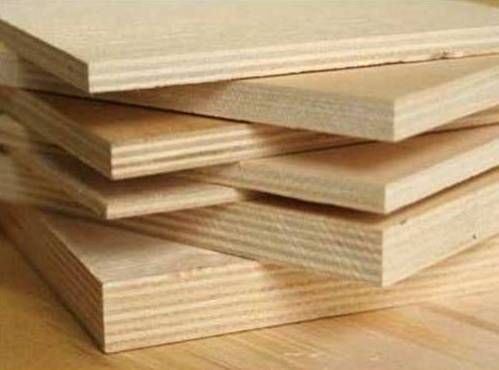
US hardwood plywood imports fell by almost one third in June to 209,842 cu.m. but year-to-date imports were 22% higher than in June 2016.

The value of plywood imported in June declined 15% month-over-month to US$139 million.

The largest drop was in imports from China. China’s plywood shipments to the US fell by almost half to 84,913 cu.m. in June. The value of Chinese plywood imports was down one third from May.

The US introduced preliminary antidumping duties on Chinese hardwood plywood in June. Cash deposits based on the preliminary duties of 57.36% to 114.72% are now required for hardwood plywood from China. Only Linyi Chengen Import and Export Co. Ltd. was assessed at a rate of zero.

Hardwood plywood imports from most other countries also declined in June, a sign that the new antidumping duties are not the only reason for the overall decrease in US plywood imports.

Malaysia was an exception and almost doubled the value of shipments to the US market in June. The US imported 10,323 cu.m. of hardwood plywood from Malaysia in June almost doubled compared to June 2016.

China: Guangdong furniture production and exports on the rise

According to Guangdong Furniture Association there are 1,170 furniture enterprises each having annual sales value of RMB5 million in Guangdong Province.

The total income of furniture enterprises in the province was RMB100.5 billion in the first half of 2017, a year on year increase of 15%.

Of the total, wooden furniture dominates production. In the first half of 2017 the income of wooden furniture enterprises was RMB56.2 billion, a year on year increase of 16%, accounting for 56% of the total.

The USA still is the main market for wooden furniture from Guangdong and in 2016 exports to the USA were worth RMB40.3 billion, a year on year increase of 1.5%, making up 31% of the provincial total.

Guangdong furniture enterprises have been diversifying their international markets to include the Philippines, Indonesia, Thailand, Russia and new markets such as Iraq, Kuwait, Pakistan, Singapore, Malaysia and Saudi Arabia.

The enterprises have also been diversifying their product range and quality in efforts to expand market share.

Through branding they hope to improve competitiveness in international markets and aim to explore sales of furniture with domestic cultural characteristics, new Chinese style furniture, fashion and simple furniture emphasising functionality.

NAHB urges Trump administration to watch over lumber price gouging after Hurricane Harvey

The NAHB called on the Trump administration to protect consumers against pricing gouging--particularly involving lumber--as they recover from Hurricane Harvey.
The call issued Aug. 30 by NAHB Chairman Granger MacDonald follows several calls by the association for the federal government to find ways to keep lumber prices under control. The cost of framing lumber and sheet goods have risen markedly in the past year, partly through supply issues and partly because of the imposition of tariffs and penalties on softwood lumber from Canada.
“A reliable supply of reasonably priced construction materials will be essential to getting people back into their homes in the areas affected by Hurricane Harvey and to maintaining housing affordability nationwide" MacDonald said in a press statement. "That’s why the National Association of Home Builders today is urging U.S. Attorney General Jeff Sessions to closely monitor the effects of the catastrophe on the cost of essential building materials, particularly lumber, and to act swiftly and decisively to prevent exploitative pricing."
Earlier this week, MacDonald urged the administration to reach an agreement with Canada on a new Softwood Lumber Agreement, saying "This is important because tariffs--basically just a tax on consumers--will be felt most harshly by families trying to rebuild."
The association is calling on consumers to be aware of potential price gouging and contact the U.S. Attorney General's office if they believe building materials prices are being unfairly manipulated.

Hekotek to supply equipment for Segezha Group’s wood pellet mill in Russia

Ksilotek-Sibir LLC (Segezha Group, part of the joint-stock financial corporation Sistema) and SORB LLC (represents AS Hekotek in Russia) signed an agreement on the supply of technological equipment for pellet production.

Continue reading "Hekotek to supply equipment for Segezha Group’s wood pellet mill in Russia"

Roundwood prices in Finland mostly up in June

Finnish roundwood prices mostly increased during June 2017, as compared to the same period last year. The same increase can be noticed when compared to the prices in May 2017.
Pine sawlogs could be bought for EUR 58.52/m3 in June 2017, a 2.39% increase from its corespondent month last year. Also, the spruce logs prices went up by 2.9%, from EUR 58.42/m3, to EUR 60.12/m3. Yet, birch logs were traded for less in June and the price went down by -3.18%, to EUR 47.73/m3.
Pulpwood prices didn't increase much, as pine was traded for 0.83% more than last year and the price for birch ascended by only 0.45%, to EUR 28.71/m3. At the same time, spruce could be bought for less money than in the previous year, descending by -2.52%, to EUR 29.74/m3.

June 2016 May 2017 June 2017 Change in % June 2016-June 2017
Pine logs 57.15 57.83 58.52 +2.39%
Spruce logs 58.42 59.04 60.12 +2.9%
Birch logs 49.30 47.34 47.73 -3.18%
Pine pulpwood 27.66 27.65 27.89 +0.83%
Spruce pulpwood 30.51 29.81 29.74 -2.52%
Birch pulpwood 28.58 27.88 28.71 +0.45%

Kronospan to buy additional OSB plant core package from Dieffenbacher

Kronospan plans on investing 330 million euros at its Sanem site in Luxembourg over the next four years.

Before the planned new construction of a particleboard plant in the second project phase, the existing OSB plant will be partially refurbished and modernized.

The multi-opening plant, in operation since 1996, was one of the first OSB production plants in Western Europe. After more than 20 years of operation, it will be replaced by a continuous production line with CPS+. In addition to the press, the order also covers the forming station, the forming line, the finishing line (comprising a diagonal saw, large stack formation and large stack storage) as well as the conveyor technology, the filter systems and the press exhaust air treatment. The execution and supervision of the assembly are also included in the Dieffenbacher scope of supply.

This cutting-edge plant was planned entirely using 3D design tools. This allowed Dieffenbacher to fine-tune the plant structure to the conditions at the site, largely avoiding additional preparatory work for Kronospan. The contract was signed at the end of May, and commissioning is set for autumn 2018.

The project continues the long-standing collaboration between Dieffenbacher and Kronospan, especially in the area of OSB. Sanem will be the sixth OSB project completed by Dieffenbacher for Kronospan in less than 15 years. Kronospan also produces OSB panels using Dieffenbacher plants in Jihlava (Czech Republic), Riga (Latvia), Brasov (Romania), Mogilev (Belarus) and Strzelce Opolskie (Poland).

Red Stag Timber’s ‘supermill’ in New Zealand may lift production up to 600,000 m3 next year

Red Stag Timber plans to improve production in 2018 as to meet demand in its local and overseas markets. Continue reading "Red Stag Timber’s ‘supermill’ in New Zealand may lift production up to 600,000 m3 next year"

Newsletter

Subscribe to our digital newsletter for your daily digest of essential news, views and analysis from the international wood industry delivered directly to your inbox.


0