Article archive

Japan: New power plants to skyrocket imports of wood pellets after 2020

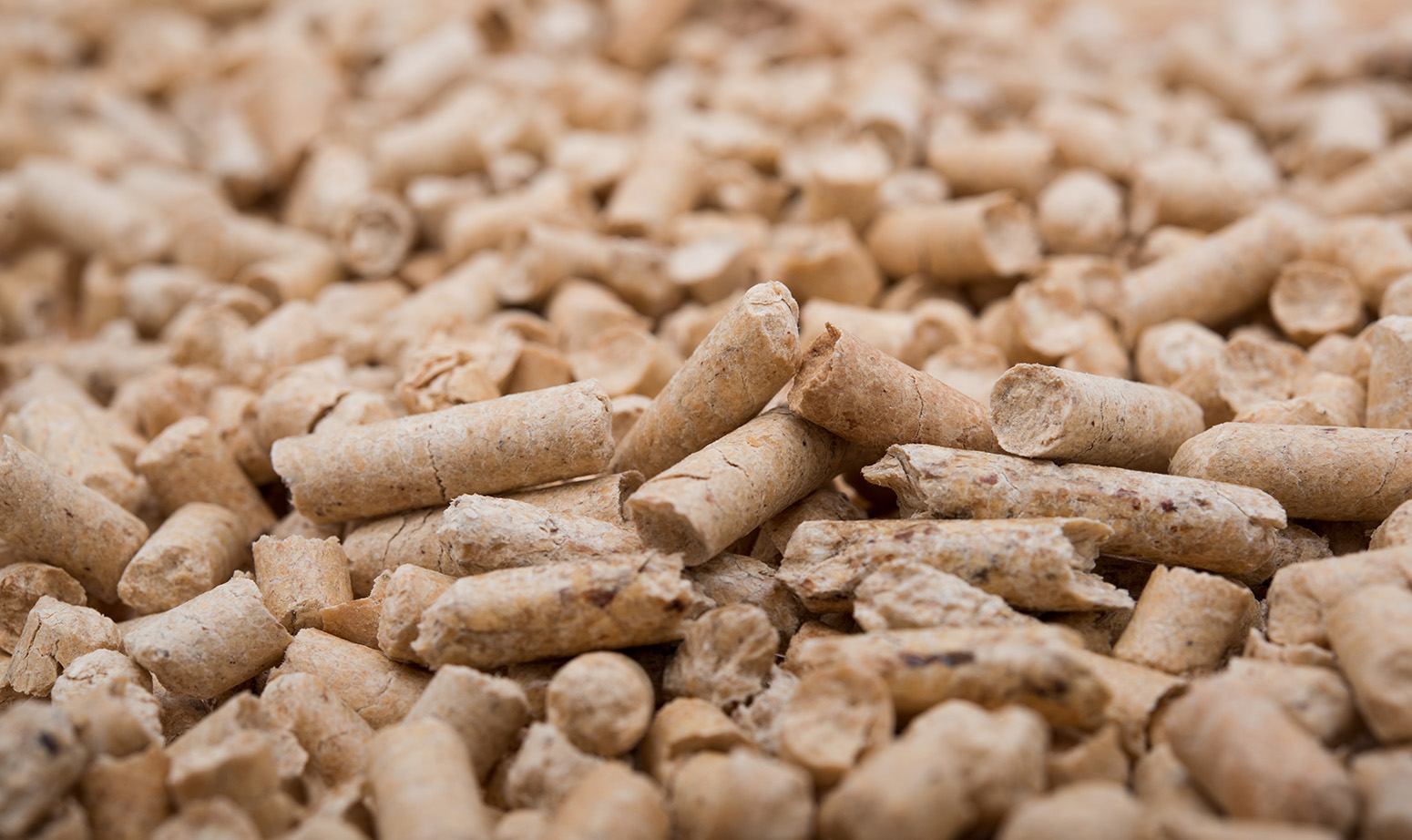
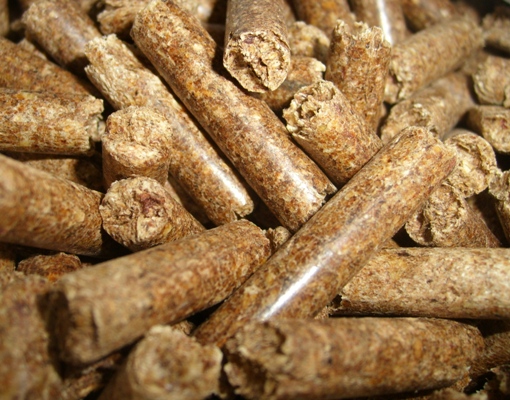
Demand of wood pellet in Japan is sharply increasing. Import of wood pellets is about six times higher than in 2013 and domestic production is 9% more than 2013. The reason is the large biomass power generation facilities, which use wood pellet as a fuel.

Import of wood pellet in 2017 reached 510,000 tons, 46% more than 2016 while domestic production was about 120,000 tons, 0.5% more.

In 2013, total supply of wood pellets was about 190,000 tons in which the share of imports was 43%. In 2015, the share of imports surpassed domestic supply, while in 2017 the share of imports is of 80%. Continue reading "Japan: New power plants to skyrocket imports of wood pellets after 2020"
The German wood industry in its fifth consecutive year of growth

The German wood industry is growing for the fifth year in a row. According to Johannes Schwörer, President of the Federation of the German Timber Industry (HDH), the industry recorded a significant increase in sales of 3% to around € 18.2 billion between January and June 2018. In the same period of the previous year, sales increased by only 1.6% to around € 17.7 billion. In view of the good industry situation, sales growth for the whole of 2018 for the German wood industry is also expected to increase by up to 3%.

The wood industry mainly consists of the wood industry and the furniture industry. Here, the turnover of the wood industry in the first half of 2018 grew significantly by 5.2% to € 8.6 billion. The furniture industry grew by 1% to € 9.1 billion. The growth of the furniture industry almost exclusively came from the successful export business. Domestic furniture sales stagnated. Continue reading "The German wood industry in its fifth consecutive year of growth"

North American logs exported to China more expensive by 30%

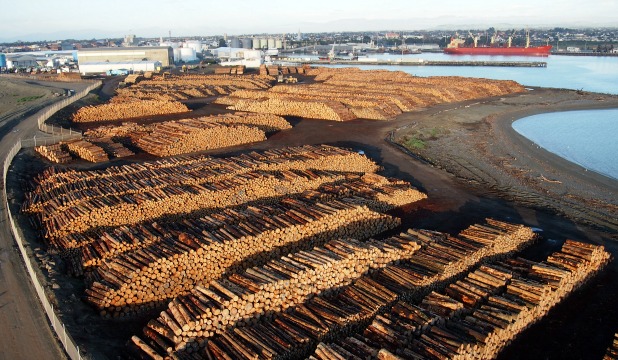
Traders in China are complaining that the landed cost of imported North American logs has jumped by around 30% as a result of the depreciation of RMB and the trade friction between China and the United States.
Although shippers in the US have been lowering log prices to maintain market share in China the higher costs continue to be a major challenge to Chinese importers.
The reason behind this is that, even with price reductions, landed costs are still higher than previously, which means competitiveness in the domestic market is weakened and traders are losing out to alternative timbers.
At present, the price for grade A processing general materials (2-4m) North America hemlock and fir in the Guangdong market is between RMB1680-1760 per cubic metre. The price for grade A processing general material (2-4m) southern pine is between RMB1580-1660 yuan per cubic metre.

France: Lumber prices for the second quarter of 2018

FRANCE LUMBER PRICES for the 2nd quarter 2018

Prices 2018-Q1 Prices2017-Q1 € Prices2017-Q4€ Prices2018-Q1€ Index Change 2018-Q1/2017-Q4 Change 2018 Q1-2017-Q1
OAK Lumber                                                                       Index base 100 : Oct 2006 S20
UNEDGED LOGS  - QBA - Logs, joinery, (KD), length 3 m +
Diameter 40 to 49cm (thickness 34mm)    m3 1147 1205 1234 142,5 2,4% 7,6%
Diameter 50cm et + (thickness 50mm)    m3 1252 1 342 1 387 143,0 3,3% 10,8%
LOGS  - QB1 - High-value joinery work, 6 months open air drying, length 3 m +
Diameter 40 to 49cm (thickness 27/34mm)    m3 867 930 948 135,6 1,9% 9,3%
Diameter 50 to 80cm (thickness 54mm)      m3 1017 1024 1054 136,4 3,0% 3,6%
SELECTED LOGS  - QSA/QS1-  (KD)
Thickness 27 to 54mm - length 2m +
Bare 18cm (tolerance 10cm +)     m3 897 956 973 145,8 1,8% 8,4%
SELECTED LOGS  - QS2 - 6 months open air drying
Thickness 27 to 54mm - length 2m +
Bare 18cm (tolerance 10cm +)     m3 638 722 733 162,2 1,5% 14,9%
STRIPS (80x27) OR EDGED (100x27) QF1a - 3 months AD
Length 30 to 50cm     m3 627 752 744 126,9 -1,1% 18,7%
Length 60 to 90cm     m3 869 999 1009 145,7 1,0% 16,0%
Length 1m + m3 1028 1124 1119 141,4 -0,5% 8,9%
STRIPS (80x27) OR EDGED (100x27) QF1b  - 3 months open air drying
Length 1,50m +    m3 721 742 7442 119,8 0,2% 3,1%
EDGED QF2- Thickness 27 mm - length 1,50 m +
Width 100 to 150mm     m3 759 823 850 142,3 3,2% 12,0%
Width 160mm +     m3 855 1010 1063 174,5 5,2% 24,2%
EDGED QF2/QF3 X – Thickness 27 mm, length 1,50 m +, 3 months AD
Width 160mm +     m3 668 720 775 153,2 7,7% 15,9%
EDGED BEAMS QP1 - Standard beams (fresh)
Camber to max. two edges, red core and sap tolerance
Measure 15x15 - length 4 to 5m     m3 524 579 575 141,3 -0,7% 9,8%
Measure 25x25 - length 4 to 5m     m3 571 659 672 147,4 2,0% 17,8%
SPRUCE Lumber (fresh)                                                        Index base 100 : July 1990 S30
Quality 0 - Edged, in all widths
Thickness 27mm     m3 291 300 298 106,2 -0,5% 2,6%
Quality 1 - Edged, in all widths
Boards 2 to 5,50m - thickness 27mm     m3 246 278 265 119,9 -4,6% 7,7%
Quality 2
Scantlings
75x225 or 63x160 - length 3 to 5m     m3
192 195 197 168,6 1,4% 2,9%
Beams 63x75 or 50x75 - length 3 to 4,50m     m3 200 205 206 110,5 0,3% 2,9%
Mouldings 27x27 - length 2 to 5m m3 229 239 242 118,7 1,4% 5,9%
Quality 3 - Boards edged timber all width
Unedged beams
Thickness 18/27mm     m3
143 150 153 109,7 1,6% 6,7%
Quality 4
Scantlings     m3 143 149 152 111,9 2,3% 6,7%
Boards any widths    Thickness 27mm     m3 131 144 151 121,1 4,9% 15,4%
Value added for extra-lengths 5 to 8 m 10 10 1, - 8,0% 4,0%
€/m
MARITIME PINE Lumber (fresh)                                            Index base 100 : July 1990 S50
Quality 0A - edged, in all widths, lengths 2 to 2,70m
3/4 Sidings     Thickness 27/32mm    m3 333 347 349 115,2 0,5% 4,9%
Quality 0 - edged, in all widths, lengths 2 to 2,70m
Thickness 27mm     m3 247 257 261 126,1 1,6% 5,7%
Thickness 32mm     m3 268 270 271 127,8 0,4% 1,1%
Quality 1 - edged, in all widths, lengths 2 to 2,70m
Thickness 27mm     m3 198 202 210 134,7 4,0% 6,1%
Thickness 32mm     m3 245 240 245 147,6 2,1% 0,0%
Quality 2
Scantlings - length 3 to 5m m3 239 240 241 145,2 0,4% 0,8%
Quality 3 - Boards thickness 27 mm - all widths
length 2 to 5m m3 153 158 170 138,3 7,8% 11,2%
Beams     m3 142 150 158 124,0 4,7% 11,0%
Quality 4
Boards 27mm     m3 118 115 120 127,7 4,4% 1,3%
PINE Lumber(fresh)                                                              Index base 100 : July 1990 S40
Quality 0A
Logs All thicknesss     m3 330 353 348 132,8 -1,4% 5,6%
Quality OB
Logs All thicknesss     m3 286 290 290 126,1 0,0% 1,4%
Quality OA
Edged Thickness 18, 27mm +, Width 100mm + m3 292 304 303 102,0 -0,3% 3,8%
Quality 0
Edged Thickness 18, 27mm +, Width 100mm +   m3 295 300 301 125,9 0,3% 2,0%
Quality 1
Edged
Thickness 18, 27mm +, Width 100mm + m3
256 259 260 131,3 0,4% 1,6%
Quality 2
Scantlings 63x163 or 175, 65x175 or 180, 75x165, 80x230 Length 3 to 5m     m3 198 215 216 125,6 0,5% 9,1%
Beams : 76x76, 80x80 Length 3 to 5m m3 202 226 227 127,5 0,3% 10,9%
Wood frame construction and glulam Price for drying and planning not included, length 2 to 4m m3 219 233 233 116,5 0,0% 6,4%
Quality 3
Boards - Thickness 27 mm - length up to 3 m All widths     m3 128 136 139 106,4 2,2% 8,8%
Scantlings : 65x165 or 80x230 m3 146 165 165 115,4 0,0% 13,0%
Quality 4
Boards 27mm     m3 138 138 139 113,0 0,7% 0,7%
Scantlings     m3 145 145 150 116,3 3,4% 3,4%
BEECH Lumber                                                                    Index base 100 : July 1990 S70
Logs (3 months drying)
Thickness 27/54mm , diameter 40cm +, length 3m + Quality FB1     m3 300 310 310 106,9 0,0% 3,5%
Quality FB2     m3 208 215 216 99,5 0,6% 3,8%
POPLAR Lumber                                                                  Index base 100 : July 1990 S80
Edged
Thickness : 18, 22, 27mm, length : 1 to 2,67m (10% de 1 to 1,33m), Width : 10 to 25cm (average 17/18cm)
Grade 1 (choice and wood quality) open air drying m3 299 319 311 136,4 -2,4%3,9 3,9%
Grade 2 (bedding quality) open air drying     m3 265 266 267 116,6 0,4% 0,6%
Grade 3 (packaging-pallets quality) fresh m3 166 170 176 123,1 3,7%6 ,1%
DOUGLAS FIR Lumber (fresh)                                                Index base 100 : Jan. 2005 S60
Grade 1 - Edged - length 3 to 5m
42 or 52x150 to 230 m3 256 269 273 145,4 1,5% 6,8%
Grade 2 - Scantlings - length 3 to 5m
63x150 or 63x175     m3 210 217 214 131,0 -1,5% 1,9%
63 or 75x200 to 225 m3 222 231 226 134,7 -1,9% 1,9%
63 or 75x250 to 300 m3 250 253 255 132,8 0,8% 2,2%
Value added for extra-lengths 5 to 8 m 13 14 16 - 9,8% 15,8%
€/m
PALLET LUMBER (fresh)                                                        Index base 100 : Jan. 2005
All hard- and softwood species - all quality grades
Boards in fixed width – solid wood Frame timber – longitudinally sawn All thicknesss 18/27mm     m3 131,8 3,5% 9,3%
except for maritime pine     m3 - 2,4% 7,2%

US 25% tariffs on Chinese wood products imports could enter into effect this week

The deadline for public consultation on President Donald Trump’s plan for tariffs on another $200 billion in Chinese imports ends this Thursday.  This will come to affect a lot of wood products, coming to the US from China.

Moreover, the decision comes as a response to the previous statements from the Chinese government regarding the counter-duties on various logs, lumber and panels going to China, from the US.

More than 50% of all hardwood exports from the US are shipped to China, so the country is the biggest US wood products exports customer. Thus, if the duties come into effect, sawmills in the US will have a hard time finding other channels for these volumes and in particular for their red oak production.

At the same time, the alternatives for the Chinese importers aren’t clear yet, so it might be that the cost of tariffs will be split between US exporters and Chinese buyers, because the hardwood exporters from Europe will undoubtedly leverage this evolution to increase their pricing.

Nevertheless, the US is also the biggest client for Chinese wood products export. The wooden furniture exports to the US reach $11.3 billion per year, so this wood products category will be, by far, the most affected by the new tariffs. About 40% of all wooden furniture exported by China goes to the US. Because of anti-dumping duties and increased labor costs in China, US imports have been diversifying over the past years, to the benefit mainly of Vietnam, Malaysia and Indonesia.

As almost half of the US wood furniture imports still comes from China, it’s still hard to quickly find other regions to send it to. At the moment, the US importers search for alternative production sites in the Southeast Asia and South America.

Since the US started imposing anti-dumping duties on plywood exports in 2017, its worth has fallen from $1.12 billion in 2016, by -31% in the Q1/2018. Thus, the new round of tariffs is more far-ranging in the types of products affected. For example plywood with softwood faces will also be affected as well as most types of engineered wood panels.

The flooring wood products category will also be impacted by the new duties. The Chinese producers of multi-layer wood flooring have already been suffering from US antidumping duties imposed a few years back. This new round of tariffs will expand the range of products affected by tariffs and is set to further benefit alternative producing countries.

Also, the volume of woodworking machines exported to the US from China will be affected by the new change in tariffs.

Full list of wood products to be affected by the US tariffs:

  • 4401.10.00 Fuel wood, in logs, in billets, in twigs, in faggots or similar forms
  • 4401.21.00 Coniferous wood in chips or particles
  • 4401.22.00 Nonconiferous wood in chips or particles
  • 4401.31.00 Sawdust and wood waste and scrap, pellets
  • 4401.39.20 Artificial fire logs, composed of wax and sawdust, with or without added materials
  • 4401.39.40 Sawdust and wood waste and scrap, excluding pellets or artificial logs, nesoi
  • 4402.10.00 Wood charcoal (including shell or nut charcoal), whether or not agglomerated, of bamboo
  • 4402.90.00 Wood charcoal (including shell or nut charcoal), whether or not agglomerated, other than of bamboo
  • 4403.10.00 Wood in the rough whether or not stripped of bark or sapwood, or roughly squared, treated with paint, stain, creosote or other preservatives
  • 4403.20.00 Coniferous wood in the rough, whether or not stripped of bark or sapwood or roughly squared, not treated with preservatives
  • 4403.41.00 Wood in the rough/roughly squared,of Dark Red Meranti,Light Red Meranti and Meranti Bakau,not treated with paint/stain/cresote/other preserv
  • 4403.49.01 Wood in the rough/roughly squared, of other tropical wood, not treated with paint/stain/creosote/other preserv
  • 4403.91.00 Oak wood in the rough, whether or not stripped of bark or sapwood, or roughly squared, not treated with preservatives
  • 4403.92.00 Beech wood in the rough, not treated with preservatives
  • 4403.99.00 Wood in the rough, nesoi
  • 4404.10.00 Coniferous wood, roughly shaped into poles, pickets, stakes, sticks and other forms, to be finished into specific articles or products
  • 4404.20.00 Nonconiferous wood, roughly shaped into poles, pickets, stakes, sticks and other forms, to be finished into specific articles or products
  • 4405.00.00 Wood wool (excelsior); wood flour
  • 4406.10.00 Railway or tramway sleepers (cross-ties) of wood, not impregnated
  • 4406.90.00 Railway or tramway sleepers (cross-ties) of wood, impregnated
  • 4407.10.01 Coniferous wood sawn or chipped lengthwise, sliced or peeled, of a thickness exceeding 6 mm 4407.21.00 Dark Red Meranti, Light Red Meranti and other specified tropical woods, sawn or chipped lengthwise, sliced or peeled, over 6 mm thick
  • 4407.22.00 Okoume, Obeche, Sapelli and other specified tropical woods, sawn or chipped lengthwise, sliced or peeled, over 6 mm thick
  • 4407.25.00 Dark Red Meranti, Light Red Meranti and Meranti Bakau wood sawn or chipped lengthwise, sliced or peeled, over 6 mm thick
  • 4407.26.00 White Lauan, White Meranti, White Seraya, Yellow Meranta and Alan wood sawn or chipped lengthwise, sliced or peeled, over 6 mm thick
  • 4407.27.00 Sapelli wood sawn or chipped lengthwise, sliced or peeled, over 6 mm thick
  • 4407.28.00 Iroko wood sawn or chipped lengthwise, sliced or peeled, over 6 mm thick
  • 4407.29.01 Tropical wood specified in chapter 44 subheading note 1, nesoi, sawn or chipped lengthwise, sliced or peeled, over 6 mm thick
  • 4407.91.00 Oak wood, sawn or chipped lengthwise, sliced or peeled, over 6 mm thick
  • 4407.92.00 Beech wood, sawn or chipped lengthwise, sliced or peeled, over 6 mm thick
  • 4407.93.00 Maple wood sawn or chipped lengthwise, sliced or peeled, over 6 mm thick
  • 4407.94.00 Cherry wood sawn or chipped lengthwise, sliced or peeled, over 6 mm thick
  • 4407.95.00 Ash wood sawn or chipped lengthwise, sliced or peeled, over 6 mm thick
  • 4407.99.01 Nonconiferous woods, nesoi, sawn or chipped lengthwise, sliced or peeled, over 6 mm thick
  • 4408.10.01 Coniferous veneer sheets and sheets for plywood & coniferous wood sawn/sliced/peeled not over 6 mm thick
  • 4408.31.01 Dark Red Meranti, Light Red Meranti and Meranti Bakau veneer sheets and sheets for plywood and other wood sawn/sliced/peeled, n/o 6 mm thick
  • 4408.39.02 Other tropical wood veneer sheets and sheets for plywood, and wood sawn/sliced/peeled n/o 6 mm thick
  • 4408.90.01 Nontropical nonconiferous veneer sheets and sheets for plywood and other wood sawn/sliced/peeled, not over 6 mm thick
  • 4409.10.05 Coniferous wood continuously shaped along any of its ends, whether or not also continuously shaped along any its edges or faces
  • 4409.10.10 Coniferous wood siding continuously shaped along any of its edges or faces but not on its ends 4409.10.20 Coniferous wood flooring continuously shaped along any of its edges or faces but not on its ends 4409.10.40 Standard wood moldings of pine (Pinus spp.) continuously shaped along any of its edges or faces but not on its ends
  • 4409.10.45 Standard coniferous wood moldings, other than of pine, continuously shaped along any of its edges or faces but not on its ends
  • 4409.10.50 Coniferous wood moldings, other than standard type, continuously shaped along any of its edges or faces but not on its ends
  • 4409.10.60 Coniferous wood dowel rods, plain, continuously shaped along any of its edges or faces but not on its ends
  • 4409.10.65 Coniferous wood dowel rod, sanded/grooved/otherwise advanced in condition, continuously shaped along any of edges or faces but not its ends
  • 4409.10.90 Coniferous wood, other than siding, flooring, moldings or dowel rod, continuously shaped along any of its edges or faces but not on its ends
  • 4409.21.05 Nonconiferous wood (bamboo) continuously shaped along any of its ends, wether or not also continuously shaped along any its edges or faces
  • 4409.21.90 Bamboo, other than continuously shaped along any of its ends
  • 4409.22.05 Nonconiferous tropical wood continuously shaped along any ends, whether or not also continuously shaped along any edges or faces
  • 4409.22.10 Nonconiferous tropical wood siding, whether or not continuously shaped along its edges or faces but not its ends
  • 4409.22.25 Nonconiferous tropical wood flooring, whether or not continuously shaped along its edges or faces but not its ends
  • 4409.22.40 Nonconiferous tropical wood standard moldings, whether or not continuously shaped along its edges or faces but not its ends
  • 4409.22.50 Other nonconiferous tropical wood moldings, whether or not continuously shaped along its edges or faces but not its ends
  • 4409.22.60 Plain nonconiferous tropical wood dowel rods, whether or not continuously shaped along its edges or faces but not its ends
  • 4409.22.65 Nonconif. tropical wood dowel rods, sanded/grooved/otherwise advanced in condition, whether or not continuous. along edges or faces but not ends
  • 4409.29.06 Other nonconiferous wood, continuously shaped along any ends, whether or not also continuously shaped along any edges or faces
  • 4409.29.11 Other nonconiferous wood siding, whether or not continuously shaped along its edges or faces but not its ends
  • 4409.29.26 Other nonconiferous wood flooring, whether or not continuously shaped along its edges or faces but not its ends
  • 4409.29.41 Other nonconiferous standard wood moldings, whether or not continuously shaped along its edges or faces but not its ends
  • 4409.29.51 Other nonconiferous wood moldings, whether or not continuously shaped along its edges or faces but not its ends
  • 4409.29.61 Plain other nonconif. wood dowel rods, whether or not continuously shaped along edges or faces but not ends
  • 4409.29.66 Other nonconif. wood dowel rods, sanded/grooved/otherwise advanced in condition, whether or not continuously shaped along edges or faces but not ends
  • 4409.29.91 Other nonconiferous wood, whether or not continuously shaped along its edges or faces but not its ends 4410.11.00 Waferboard, including oriented strand board, of wood
  • 4410.12.00 Oriented strand board and waferboard, of wood, unworked or not further worked than sanded
  • 4410.19.00 Particle board and similar board of wood, other than waferboard
  • 4410.90.00 Particle board and similar board of ligneous materials other than wood
  • 4411.12.10 MDF , <= 5mm thick, not mechanically worked or surface covered
  • 4411.12.20 MDF, <= 5mm thick, for construction, laminated
  • 4411.12.30 MDF , <= 5mm thick, for construction, not laminated, nesoi
  • 4411.12.60 Fiberboard of a density over 0.5 g/cm3 but not over 0.8 g/cm3, not mechanically worked surface covered (Except for oil treatment)
  • 4411.12.90 MDF, <= 5mm thick, not for construction, nesoi
  • 4411.13.10 MDF, >5mm but <= 9 mm thick, not mechanically worked or surface covered
  • 4411.13.20 MDF, >5mm but <= 9 mm thick,, for construction, laminated
  • 4411.13.30 MDF , >5mm but <= 9 mm thick, for construction, not laminated, nesoi
  • 4411.13.60 Fiberboard of a density over 0.5 g/cm3 but not over 0.8 g/cm3, not mechanically worked surface covered(except for oil treatment)
  • 4411.13.90 MDF, >5mm but <= 9 mm thick, not for construction, nesoi
  • 4411.14.10 Fiberboard of a thickness exceeding 9 mm, not mechanically worked or surface covered
  • 4411.14.20 Fiberboard of a thickness exceeding 9 mm, edgeworked continuously, laminated, for construction uses 4411.14.30 Fiberboard of a thickness exceeding 9 mm , tongued, grooved or rabbetted continuously, for construction uses, nesoi
  • 4411.14.60 Fiberboard of a thickness exceeding 9 mm, not mechanically worked surface covered (except for oil treatment)
  • 4411.14.90 Fiberboard nesoi,of a thickness exceeding 9 mm
  • 4411.92.10 Fiberboard of a density exceeding 0.8 g/cm3, not mechanically worked or surface covered
  • 4411.92.20 Fiberboard
  • 4411.92.30 Fiberboard, of a density exceeding 0.8 g/cm3, mechanically edged-worked, for construction uses 4411.92.40 Fiberboard nesoi, density exceeding 0.8 g/cm3
  • 4411.93.10 Fiberboard, not MDF, of a density >0.5 but <=0.8 g/cm3, not mechanically worked or surface covered 4411.93.20 Fiberboard, not MDF, of a density >0.5 but <=0.8 g/cm3, edgeworked continuously, laminated, for construction uses
  • 4411.93.30 Fiberboard, not MDF, of a density >0.5 but <=0.8 g/cm3, tongued, grooved or rabbetted continuously, for construction, nesoi
  • 4411.93.60 Fiberboard of a density over 0.5 g/cm3 but not over 0.8 g/cm3, not mechanically worked surface covered (Except for oil)
  • 4411.93.90 Fiberboard, not MDF, of a density >0.5 but <=0.8 g/cm3, nesoi
  • 4411.94.00 Fiberboard of a density exceeding 0.35 g/cm3 but not exceeding 0.5 g/cm3, not mechanically worked or surface covered
  • 4412.10.05 Plywood, veneered panels and similar laminated wood, of bamboo
  • 4412.10.90 Veneered panels and similar laminated wood, of bamboo, other than plywood
  • 4412.31.06 Plywood sheets n/o 6mm thick, tropical wood outer ply, birch face ply, not surface covered beyond clear/transparent
  • 4412.31.26 Plywood sheets n/o 6mm thick, tropical wood outer ply, Spanish cedar or walnut face ply, not surface covered beyond clear/transparent
  • 4412.31.41 Plywood sheets n/o 6mm thick, with specified tropical wood outer ply, with face ply nesoi, not surface covered beyond clear/transparent
  • 4412.31.52 Plywood sheets n/o 6mm thick, tropical wood nesoi at least one outer ply, with face ply nesoi, not surface covered beyond clear/transparent
  • 4412.31.61 Plywood sheets n/o 6mm thick, with certain specified tropical wood outer ply, surface covered beyond clear or transparent
  • 4412.31.92 Plywood sheets n/o 6mm thick, tropical wood nesoi at least one outer ply, surface covered beyond clear or transparent
  • 4412.32.06 Plywood sheets n/o 6mm thick, outer ply of nonconiferous wood, birch face ply, not surface covered beyond clear/transparent
  • 4412.32.26 Plywood sheets n/o 6mm thick, outer ply nonconiferous wood, face ply Spanish ceder or walnut, not surface covered beyond clear/transparent
  • 4412.32.32 Plywood sheets n/o 6mm thick, outerply of nonconiferous wood nesoi, face ply nesoi, not surface covered beyond clear/transparent
  • 4412.32.57 Plywood sheets n/o 6mm thick, outerply of nonconiferous wood nesoi, face ply nesoi, surface covered beyond clear/transparent
  • 4412.39.10 Plywood of wood sheets, n/o 6 mm thick each, with outer plies of coniferous wood, face ply of Parana pine, not or clear surface covered
  • 4412.39.30 Plywood of wood sheets, n/o 6 mm thick each, with outer plies of coniferous wood, European red pine face ply, not or clear surface covered
  • 4412.39.40 Plywood of wood sheets, n/o 6 mm thick each, with outer plies of coniferous wood, with face ply nesoi, not or clear surface covered
  • 4412.39.50 Plywood of wood sheets, n/o 6 mm thick each, with outer plies of coniferous wood, nesoi, surface covered, nesoi
  • 4412.94.10 Plywood nesoi, at least one nonconiferous outer ply, not surface-covered beyond clear/transparent, face ply of birch
  • 4412.94.31 Blockboard etc.: plywood nesoi, at least one nonconifer outer ply, not surface-covered beyond clear/transparent, not w/face ply of birch
  • 4412.94.41 Blockboard etc: plywood nesoi, at least one nonconiferous outer ply, surface covered other than clear or transparent
  • 4412.94.51 Blockboard etc: veneered panels and similar laminated wood w/ at least one nonconiferous outer ply, nesois
  • 4412.94.60 Blockboard etc: plywood nesoi,other outer plies,not surf.-cov. Beyond clear/transp., face ply Parana pine 4412.94.70 Blockboard etc: plywood nesoi, other outer plies,not surf.-cov. Beyond clear/transp.,face ply Europe red pine
  • 4412.94.80 Blockboard etc: plywood nesoi,other outer plies,not surface-covered beyond clear/transparent, face ply nesoi
  • 4412.94.90 Blockboard etc: plywood nesoi, other outer plies, surface covered other than clear or transparent 4412.94.95 Blockboard etc: veneered panels and similar laminated wood nesoi, other outer plies
  • 4412.99.06 Plywood nesoi,veneered panel & similar laminated wood w/nonconiferous outer ply, at least one layer of particle board
  • 4412.99.10 Not blockboard: plywood at least 1 outer ply of nonconif wood, nesoi, with a face ply of birch, not surface covered or clear/transparent
  • 4412.99.31 Not blockboard: plywood nesoi, at least 1 nonconiferous outer ply, not surface-covered beyond clear/transparent, not w/face ply of birch
  • 4412.99.41 Not blockboard: plywood nesoi, at least 1 nonconiferous outer ply, surface covered other than clear or transparent
  • 4412.99.51 Not blockboard: veneered panels and similar laminated wood w/ at least 1 nonconiferous outer ply, nesoi 4412.99.57 Not blockboard: plywood/veneered panel/sim. Laminated wood nesoi, at least 1 nonconiferous outer ply,at least 1 layer of particle board
  • 4412.99.60 Not blockboard:plywood nesoi,at least 1 nonconiferous outer ply, no particle board,not surf.-cov. Beyond clear/transp., face ply Parana pine
  • 4412.99.70 Not blockboard: plywood nesoi, at least 1 non conif outer ply,no particle board,not surf.-cov. Beyond clear/transp.,face ply Europe red pine
  • 4412.99.80 Not blockboard:plywood nesoi, at least 1 non conif outer ply, no particle board,not surface-covered beyond clear/transparent, face ply nesoi
  • 4412.99.90 Not blockboard: plywood, veneer panels and similar laminated wood, at least 1 nonconiferous outer ply, nesoi
  • 4412.99.95 Not blockboard: veneered panels and similar laminated wood, nesoi, at least 1 nonconiferous outer ply, no particle board, nesoi
  • 4413.00.00 Densified wood, in blocks, plates, strips or profile shapes
  • 4415.10.30 Packing boxes and cases of wood with solid sides, lids and bottoms
  • 4415.10.60 Wooden containers designed for use in the harvesting of fruits and vegetables
  • 4415.10.90 Wood cases, boxes, crates, drums and similar packings nesoi; cable-drums of wood
  • 4415.20.40 Wooden pallets, box-pallets and other load boards designed for use in the harvesting of fruits and vegetables
  • 4415.20.80 Wooden pallets, box-pallets and other load boards, other than designed for use in the harvesting of fruits and vegetables
  • 4416.00.30 Wooden casks, barrels and hogsheads
  • 4416.00.60 Wooden staves and hoops; tight barrelheads of softwood
  • 4416.00.90 Wooden vats, tubs and other coopers' products and parts thereof
  • 4417.00.60 Wooden brush backs
  • 4417.00.80 Wooden tools, tool bodies, tool handles, broom or brush bodies and handles nesoi; wooden boot or shoe lasts and trees
  • 4418.10.00 Wooden windows, French-windows and their frames
  • 4418.20.40 French doors of wood
  • 4418.20.80 Doors of wood, other than French doors
  • 4418.40.00 Wooden formwork (shuttering) for concrete constructional work
  • 4418.50.00 Wooden shingles and shakes
  • 4418.60.00 Builders' joinery and carpentry of wood, Posts and Beams
  • 4418.73.10 Assembled flooring panels of bamboo, for mosaic floors, solid
  • 4418.73.20 Assembled flooring panels of bamboo, for mosaic floors other than solid, having a face ply more than 6mm in thickness
  • 4418.73.30 Assembled flooring panels of bamboo, for mosaic floors other than solid, having a face ply less than or equal to 6 mm in thickness
  • 4418.73.40 Assembled flooring panels of bamboo, other than for mosaic, multilayer, having a face ply more than 6mm in thickness
  • 4418.73.60 Assembled flooring panels of bamboo, other than mosaic, multilayer, having a face ply <=equal to 6mm in thickness, of unidirectional bamboo
  • 4418.73.70 Assembled flooring panels of bamboo, other than for mosaic, multilayer, having a face ply <= 6mm in thickness, not of unidirectional bamboo
  • 4418.73.90 Assembled flooring panels of bamboo, other than for mosaic or multilayer, nesoi
  • 4418.74.10 Assembled wood flooring panels, other than of bamboo, for mosaic floors, solid
  • 4418.74.20 Assembled wood flooring panels, other than of bamboo, for mosaic floors other than solid, having a face ply more than 6 mm in thickness
  • 4418.74.90 Assembled wood flooring panels, other than of bamboo, for mosaic floors other than solid, having a face ply less than or equal to 6 mm in thickness
  • 4418.75.40 Assembled wood flooring panels, other than of bamboo, other than for mosaic, multilayer, having a face ply more than 6 mm in thickness
  • 4418.75.70 Assembled wood flooring panels, other than of bamboo, other than for mosaic, multilayer, having a face ply less than or equal to 6 mm in thickness
  • 4418.79.01 Assembled wood flooring panels, other than of bamboo, other than for mosaic or multilayer
  • 4418.91.10 Builders' joinery and carpentry of wood, of bamboo, drilled or notched lumber studs
  • 4418.91.90 Builders' joinery and carpentry of wood, of bamboo, other than drilled or notched lumber studs 4418.99.10 Builders' joinery and carpentry of wood, of wood other than of bamboo, drilled or notched lumber studs 4418.99.90 Builders' joinery and carpentry of wood, of wood other than of bamboo, other than drilled or notched lumber studs
  • 4420.90.45 Wooden jewelry boxes, silverware chests, microscope, tool or utensil cases, similar boxes, cases and chests, not lined with textile fabrics
  • 4420.90.65 Wooden jewelry boxes, silverware chests, microscope, tool or utensil cases, similar boxes, cases and chests, lined with textile fabrics
  • 4420.90.80 Wood marquetry and inlaid wood; wooden articles of furniture, nesoi
  • 4421.91.10 Plain wood dowel pins of bamboo
  • 4421.91.20 Wood dowel pins of bamboo, sanded, grooved or otherwise advanced in condition
  • 4421.91.70 Pickets, palings, posts and rails of bamboo, sawn; assembled fence sections of bamboo
  • 4421.91.93 Theatrical, ballet and operatic scenery and properties, including sets, of bamboo
  • 4421.91.94 Edge-glued lumber of bamboo
  • 4421.91.97 Other articles, nesoi, of bamboo, incl pencil slats, burial caskets, gates for confining children or pets 4421.99.10 Plain coniferous wood dowel pins
  • 4421.99.15 Plain wood dowel pins, other than of coniferous wood or of bamboo
  • 4421.99.20 Wood dowel pins of wood other than of bamboo, the foregoing sanded, grooved or otherwise advanced in condition
  • 4421.99.70 Pickets, palings, posts and rails, sawn, of wood other than of bamboo; assembled fence sections of wood other than of bamboo
  • 4421.99.93 Theatrical, ballet and operatic scenery and properties, including sets, of wood other than of bamboo
  • 4421.99.94 Edge-glued lumber of wood other than of bamboo
  • 4421.99.97 Other articles, nesoi, of wood other than of bamboo, incl pencil slats, burial caskets, gates for confining children or pets

Woodworking machines

  • 8465.20.10 Machine centers for sawing, planing, milling, molding, grinding, sanding, polishing, drilling or mortising 8465.20.50 Machine centers for bending or assembling
  • 8465.20.80 Machine centers, nesoi
  • 8465.91.00 Sawing machines for working wood, cork, bone, hard rubber, hard plastics or similar hard material

Wooden Furniture

  • 9401.52.00 Bamboo seats
  • 9401.53.00 Rattan seat
  • Seats nesoi, of cane, osier, similar materials o/than bamboo or rattan
  • 9401.61.20 Chairs nesoi, w/teak frames, upholstered
  • 9401.61.40 Chairs nesoi, w/wooden frames (o/than teak), upholstered
  • 9401.61.60 Seats (o/than chairs) nesoi, w/wooden frames, upholstered
  • 9401.69.20 Seats nesoi, of bent-wood
  • 9401.69.40 Chairs nesoi, w/teak frames, not upholstered
  • 9401.69.60 Chairs nesoi, w/wooden frames (o/than teak), not upholstered
  • 9401.69.80 Seats (o/than chairs) nesoi, w/wooden frames, not upholstered
  • 9401.90.40 Parts of seats (o/than of 9402) nesoi, of wood
  • 9403.30.80 Furniture (o/than seats) of wood (o/than bentwood) nesoi, of a kind used in offices
  • 9403.40.40 Furniture (o/than seats) of bent-wood nesoi, of a kind used in the kitchen
  • 9403.40.60 Furniture (o/than seats) of wood (o/than bentwood) nesoi, of a kind used in the kitchen & design. for motor vehicle use
  • 9403.40.90 Furniture (o/than seats) of wood (o/than bentwood) nesoi, of a kind used in the kitchen & not design. for motor vehicl. use
  • 9403.50.40 Furniture (o/than seats) of bentwood nesoi, of a kind used in the bedroom
  • 9403.50.60 Furniture (o/than seats) of wood (o/than bentwood), of a kind used in the bedroom & designed for motor vehicle use
  • 9403.50.90 Furniture (o/than seats) of wood (o/than bentwood), of a kind used in the bedroom & not designed for motor vehicle use
  • 9403.60.40 Furniture (o/than seats & o/than of 9402) of bentwood nesoi
  • 9403.60.80 Furniture (o/than seats & o/than of 9402) of wooden (o/than bentwood) nesoi
  • 9403.82.00 Bamboo furniture and parts
  • 9403.83.00 Rattan furniture and parts 9403.89.30 Furniture (o/than seats) of cane, osier, or similar materials o/than bamboo or rattan
  • 9403.89.60 Furniture (o/than seats & o/than of 9402) of materials nesoi
  • 9403.90.10 Parts of furniture (o/than seats), for furniture of a kind used for motor vehicles
  • 9403.90.25 Parts of furniture (o/than seats), of cane, osier, bamboo or similar materials
  • 9403.90.70 Parts of furniture (o/than seats or o/than of 9402), of wood
  • 9406.10.00 Prefabricated buildings of wood

US lumber prices continued to rise last week

Amid a mix of expectations coming into the week, only those at the low end of the spectrum were met. Buyers waited to see what developed after the holiday, with many questioning whether current prices represented “good values.”
Producers rode order files or dug in against deep counters. Weakness in futures, with the September contract close drawing near, kept buyers cautious or anticipating opportunities through the board. On the strength of Southern Pine #2 2x4, the Random Lengths Framing Lumber Composite Price ticked up $2.

This Week
Aug 31
Last Week
Aug 24
Year Ago
2017
Random Lengths Framing Lumber Composite Price* $453 $451 $403
KD Western S-P-F #2&Btr 2x4 R/L Mill Price 480 480 395
KD Eastern S-P-F #1&2 2x4 R/L, delivered Great Lakes 574 580 485
Green Douglas Fir Std&Btr 2x4 R/L (Portland) 445 447 455
Southern Pine (Westside) #2 2x4 R/L 453 440 360
KD Coast Hem-Fir #2&Btr 2x4 R/L 460 457 420
Ponderosa Pine (Inland) #2&Btr 1x12 R/L 775 775 675
* Weighted average of 15 key items

Random Lengths Panel Market Report

Lackadaisical sales as the holiday weekend approached were just enough to keep structural panel prices firm. Demand for OSB waned, as markets across North America eased into the Labor Day weekend. Prices flattened in all producing regions. Southern Pine plywood sales slowed in late trading, but steady demand was evident through most of the week. Activity in western Fir plywood was steady to start the week, but tapered off as traders got a jump on the holiday weekend.

(f.o.b. mill prices) This Week
Aug 31
Last Week
Aug 24
Year Ago
2017
Random Lengths Structural Panel Composite Price* $471 $470 $461
Southern (west-east) 15/32-inch 3-ply rated sheathing plywood 440-475 435-475 400-420
Southern (west-east) 15/32-inch 4-ply rated sheathing plywood 445-480 440-480 405-425
Western 1/2-inch 4-ply rated sheathing plywood 492 495 482
North Central 7/16-inch Oriented Strand Board 345 345 414
*Weighted average of 11 key items


Realising tropical timber’s marine use potential

Tropical hardwood’s long-held status as the prime material for European fresh and seawater marine applications has been increasingly challenged by alternatives; steel, concrete, recycled plastics, wood-plastic composites, temperate timber species and increasingly, for sea defences, rock armour. Some feel that sustainability concerns - the perceived linkage of marine-use tropical species with deforestation - and also the EU Timber Regulation have also increased trade, end-user and specifier risk aversion and helped drive further use of substitutes. Continue reading "Realising tropical timber’s marine use potential"

IKEA might enter Mexican market

Last week, the main media of the Aztec country took for granted the arrival of IKEA, more specifically to Guadalajara. All due to the publication of three notices of personnel search.

“We have an office in Mexico City since April 2017 and we are determined to bring a little bit of Sweden to Mexico. IKEA Mexico is looking for a Communication and Interior Design Manager to lead, develop and inspire the team, to increase the interest of many Mexicans in the home,” says the Ikea announcement.

The work requires an international relocation since it will be based in Guadalajara and includes regular national and international business trips. “It should be able to start at the beginning of 2019,” says the announcement.

In October of 2017, Mexico was within a list of markets that Ikea considered would enter within the next five years. Ikea entered India and Latvia that year. Mexico, along with Chile, Colombia and Peru, were the firm's options for the first store in the region, said Torbjorn Loof, Inter Ikea's chief executive.

And as such Falabella Group will bring the IKEA brand to Santiago, Bogota and Lima. But regarding specific details of its formal entry into the Mexican market, IKEA has refrained from giving statements.

Moelven to build a wood pellet plant in Norway

Moelven is building a new pellet factory and a new bioenergy plant in a small village Sokna located between Hønefoss and Krøderen (Norway).

The pellet factory will be efficiently integrated into the company's existing sawmill. The sawmill's by-products will be used for pellet production. Enova, a Norwegian government enterprise responsible for promotion of environmentally friendly production and consumption of energy, supports the investment in bioenergy funding it with NOK 66 million.

Once operational in 2020, the factory will be able to double pellet production volume in Norway. Moelven expects the factory to provide 8-10 new jobs, and the investment to come up to a total of NOK 270 million.

A large part of the total investment funds will be used for a brand-new bioenergy plant that will supply both the sawmill and the pellet factory with energy.

Moelven is a Scandinavian industrial group that produces building materials and systems for the construction industry.

Russian company to build CLT plant in Estonia

The Russian manufacturer of thermally modified wood ThermoHolz will build a plant for cross-laminated timber (CLT) in the special economic zone of the Pskov region on the border with Estonia.

The project was presented for the first time on 9 August and a corresponding contract was signed between ThermoHolz and the representatives of the Special Economic Zone on 21 August.

Construction of the plant, with 20 employees and a capacity of 8,000 m²/month, is scheduled to begin in September. The plant, which will cost around 520 million roubles, is scheduled to come on stream in the first quarter of 2020. In addition to a pure, three-layer wood panel, the production of a panel with a rigid polyurethane foam core is also planned.

ThermoHolz has been producing decking, decking and facade elements from thermally modified wood at the Voronesch Oblast plant since 2011. Pine, beech, birch and ash are used for this purpose. According to the company homepage, the modification is carried out in a 50 m³ chamber of the Italian manufacturer Baschild.

Asia to drive wood pellets demand over the next decade

Western Europe has long been the world’s largest market for wood pellets used in heat and power production. But Asian industrial demand, driven by Japan and South Korea, is set to average 18 percent annual growth for the next decade This geographic shift in demand growth will reshape the flow of exports from top producers Canada and the United States (US).

According to a new study published by RISI, all biomass pellet markets have grown steadily for the past five years, but Asia will sustain rapid expansion as Europe’s industrial consumption plateaus. Government policies in Japan and South Korea will keep driving industry’s conversion to renewable energy sources. Biomass pellets already provide 12 percent of Japan’s industrial energy needs, and we expect that market share to more than double to 31 percent by 2028, said Sarah Martin, RISI Associate Economist for Bioenergy and author of the new study.

Pellet demand is affected by many external factors, including government policies, market prices for competing energy sources, and the severity of winters. Each of these factors will affect key pellet-consuming nations differently over the next decade, as detailed by the study.

Over the next few years, Europe’s ongoing trend of converting coal-fired power plants to burn pellets will continue – but after 2026, expected policy changes are forecast to cause a decline in industrial power demand, Martin said.

Europe’s use of pellets for heat, however, should keep growing through 2028. While the US and Canada are the largest producers of pellets for export, North America has historically been a less significant source of demand.

A 5 percent annual growth in pellet volumes for North American heating through 2028 is expected, but Asian industrial demand, for example, will average 9 percent growth over the same period – from a larger base. More significantly, by 2028, Asia’s expected industrial pellet consumption of 18 million tonnes will nearly equal Europe’s industrial volume of 18.3 million tonnes annually – an important shift that will reshape the dynamics of the entire industry.

Poland invests massively in expanding furniture production capacities

As the sixth largest producer and the world's fourth largest exporter of furniture, Poland is investing in the expansion of its production capacities as it sets to strengthen its position further in the worldwide market. The Association of Furniture Manufacturers estimates that furniture valued at just under CHF 13 billion in 2017, an 8 percent increase over the previous year. Further growth of approximately 10 percent is expected for 2018. 

Most Continue reading "Poland invests massively in expanding furniture production capacities"

South Korea’s Dongwha expands to Thailand’s MDF market

Dongwha Enterprise, Korea's top wood materials manufacturer has extended its reach by acquiring a manufacturing unit in Thailand.

Dongwha announced last week it acquired Agro Fiber's medium-density fiberboard (MDF) manufacturing unit for 23 billion won ($20.5 million). MDF is an engineered wood product used for making furniture.

Established in 1998, Agro Fiber is a subsidiary of Thai-based copy paper maker Double A. Its MDF manufacturing facility is located in Prachiburi, about 100 kilometers northeast of Bangkok. The company produced around 100,000 cubic meters of MDF annually at the 88,000-square-meter facility.

Half of its MDF products have been sold to the domestic market in Thailand while the other half goes to overseas markets such as Japan, Vietnam, India and Sri Lanka.

With the acquisition, Dongwha now has five overseas production facilities. It already has MDF manufacturing facilities in Malaysia and Vietnam while its Finland facility produces tego film, an adhesive sheet used for concrete shuttering. Its Australia facility produces lumber products and versatile wood materials for industrial use.

The Thai company's MDF manufacturing unit can use up to 2 million tons of timber forested next to the facility so Dongwha can secure raw materials for producing the fiberboard easily. The deal gives Dongwha access to the local business networks of Agro Fiber as well.

Dongwha said the acquisition of the Thai company will help boost its profitability.

"In terms of raw material prices, Thailand has been stable with less fluctuation, compared with Vietnam and Malaysia," said Lee Si-joon, senior vice president of Dongwha. "We expect the acquisition can create synergy with our branches in Malaysia and Vietnam so we can raise our profitability."

The Southeast Asian fiberboard market is expected to continue its growth. Among Southeast Asian countries, Thailand is a core country of the fiberboard market as its market share in the region is around 50 percent.

Dongwha said the acquisition will help the company secure a favorable position in the Southeast Asian market as the company plans to explore more business opportunities in Thailand in addition to particle board (PB) and MDF businesses.

Thanks to increased demand for MDF and PB in Korea, Dongwha posted 383.1 billion won in sales in the first half of this year, a 5.6 percent increase from the same period of last year. Its operating profit was 48.4 billion won, a 7.2 percent increase compared to the same period last year.

Bolstering market awareness of benefits of sustainable tropical forestry

More concerted actions are also now being taken by African operators and certification advocates to bolster market awareness of the benefits of these systems. FSC representatives at the Gabon Dialogue (part of the Gabon Wood Show in June) particularly emphasised the work they are doing to raise consumer awareness of the role of certification in promoting progress in line with the UN Sustainable Development Goals.

The message being sent out is that “certified tropical timber products come preloaded with rural development and environmental conservation values”. FSC were confident that this message is gaining traction, benefitting from the links to the FSC brand which has gained widespread consumer recognition in western markets.

Other agencies are now working to promote this message. With wide-ranging support from major players in the tropical wood industry, ATIBT launched a new joint marketing initiative to develop the Fair & Precious brand in 2017. Continue reading "Bolstering market awareness of benefits of sustainable tropical forestry"

Russia processes more wood as ever before

In 2017, the Russian economy came out from a two-year recession. In 2016, the country's GDP fell by 0.2%, and in 2015, it fell by 2.5% after slowing the growth to 0.7% in 2014. However, this is below the original expectations: initially, the Ministry of Economic Development forecast that the country's economy will grow by 2% in 2017, the Central Bank expected a growth from 1.7 to 2.2%. In the second quarter of 2018, GDP growth was 1.8%, and in April-May 2018, the economy “accelerated” to 2.2%.

In addition to the exit from recession in 2017, the minimum inflation in the history of the country was recorded at 2.5%. However, this figure does not apply to the forestry sector of the economy. The timber industry costs for wood raw materials increased by 20-30% according only to Rosstat's official data (the price for softwood sawlogs on the average increased by 35% YoY to 2,100 rubles/m3 excluding VAT, and the price for birch veneer logs increased by 30% to 2,300 rubles/m3, excluding VAT). Unfavorable weather worsened the situation with wood raw material supply in a number of regions of the European part of Russia in the second and third quarters of 2017. Manufacturers of wood-based panels encountered a price increase for the chemical components during production: the prices for melamine film, resins and paper increased by 15% on the average over the year. The delivery cost for raw materials and transportation of finished products increased by 15-20%.

In such conditions, the woodworking industry in Russia remained one of the most dynamically growing sectors of the economy: index of industrial activity for woodworking in the second quarter of 2018 grew by 11% and in June 2018 by 15%, this is more than any other processing industry in Russia. In contrast to a decline in the rate of housing construction in Russia (-0.7% as stated by the Ministry of Construction and -2.1% by Rosstat in 2017) and a reduction in production in the furniture industry, the timber industry has again benefited from favorable conditions in export markets.

The weakening of the Russian ruble against the US dollar (-13.2% YoY in 2017) was offset by high prices for forest products. Prices for commodities and exchange goods on world markets have peaked in the last ten years. The dynamics of export prices for Russian sawn timber, plywood, pellets, wood pulp, paper and paperboard from the beginning of 2017 was also positive. Prices for Russian sawn softwood lumber in China reached a peak at the end of 2017. The demand for sawn timber in China still exceeds the supply. Against this background, prices for Russian spruce sawn timber from the Northwest reached a level of $285/m3 (1-4 SF 30x125/150, central boards, Shanghai port) in November 2017. Prices for European spruce sawn timber reached $295/m3. A moderately growing price trend persisted in the first half of 2018 with minor fluctuations, but it provided a more restrained basis for further growth.

Source: WhatWood

Turkey to impose additional tariffs on imports of wood products from US

With its publication in the Official Journal on 15 August, Turkey imposed additional duties on US imports.

In the wood sector, Turkey has introduced a 10% duty mark-up for Group 4401 tariff numbers. Group 4401 includes not only firewood but also sawmill waste wood in the form of chips and woodchips as well as pellets and wood briquettes.

Especially the imports of wood chips from the USA are relevant. According to the U.S. Department of Agriculture, 705,463 t worth US$42.96m were exported to Turkey last year. In the first half of the current year, deliveries of softwood chips to Turkey are stated at 322,871 t with a value of €24.65m.

For hardwood chips, exports to Turkey were reported by the US authority for 2016 at US$17.45m (298,532 t). By contrast, no data are available for 2017 or the first six months of 2018.

Asian timber operators better placed than European operators in Africa

A major structural change is underway in the African timber industry as operations are reoriented away from the European market towards Asian markets.

These issues are explored in one recent trade articles by Alain Karsenty, the Research Director of CIRAD. The article refers respectively to the “crises” and “brutal weakening” of European-owned forest and timber operations in Africa in recent years.

M. Karsenty observes that Asian operators in Africa have been better able to overcome recent market challenges than their European counter-parts because they have significant capital and the markets in which they operate and can profitably utilise qualities different to those demanded by European buyers plus they have been successful in marketing a wide range of species.

Asian companies are under much less market pressure to demonstrate the legal and sustainable origin of their products in their domestic markets but this is changing, especially in China, but Asian exporters have to meet international standards.

According to M. Karsenty, “apart from the Olam company, which bought a large concession already certified in north Congo in 2011 from a Danish company, no Asian-owned operator has yet sought to obtain the FSC label for its African concessions”.

The business model pioneered by European operators for their African concessions seems to be unravelling. This model was built on the foundation of forest management plans developed in the 1990s and extended by a period of rapid uptake of FSC certification in the period 2005 to 2010.

The success of this model depends heavily on the market rewards to be derived from a clear commitment to sustainable forestry and social welfare standards. These rewards should derive for the combination of greater market access and prices for timber products, the anticipated development of new markets for eco-system services, notably carbon capture, and enhanced confidence of shareholders and other financial backers.

As M. Karsenty notes, “while certified woods are sold at a higher price in some sensitive markets, a good proportion of labelled timber is sold at current prices in the southern and eastern markets of Europe, the Middle East and Asia.

And in this case, investment in certification is not profitable”.

Presentations at the FSC Dialogue meeting held in conjunction with the Gabon Wood Show in June also highlighted the continuing failure of this business model to deliver adequate financial returns. It was noted here that the total area of FSC certified had declined in the last two years from 5.5 million hectares to 4.85 million hectares.

The representative of one European-owned FSC certified operation in Africa said that “we have reached breakeven point after several years of negative performance - but sustainable tropical forest management models are still economically not attractive enough to motivate traditional investors to finance new developments.”

This company representative said that while efforts are being made to monetise carbon credits of certified forest operations, the returns on this and other ecosystem services are very low and timber sales still account for 90% of revenue. Furthermore, the large majority of this derives from their investments in plantation timber which from a financial perspective (although not from an environmental perspective) performs better than FSC certified natural forest.

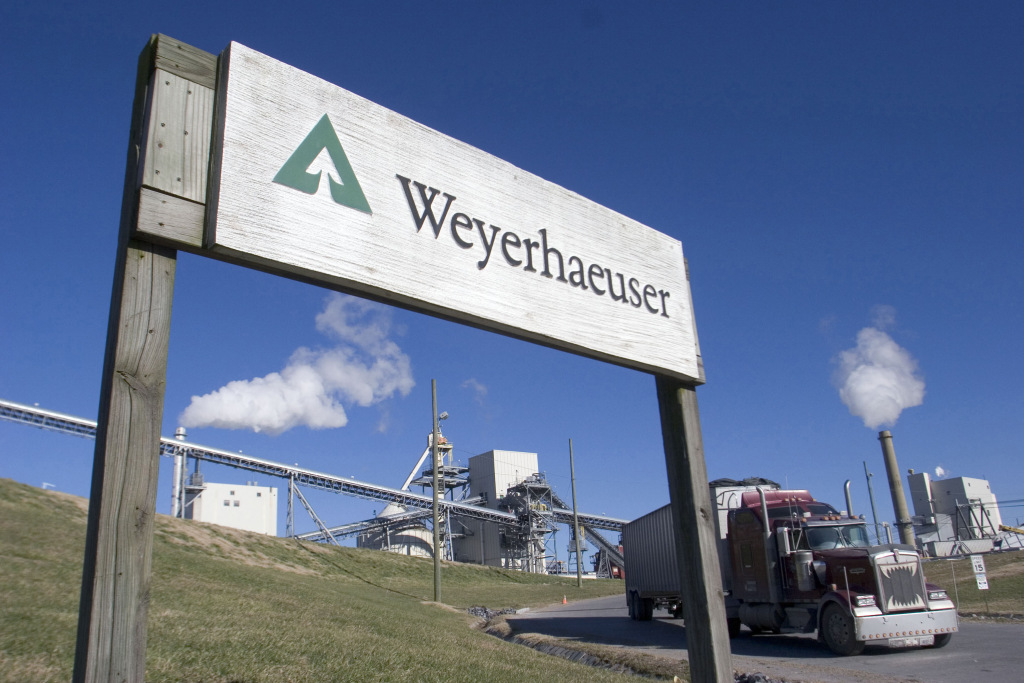
Weyerhaeuser’s CEO to step down in 2019

Weyerhaeuser announced that its current CEO Doyle R. Simons has elected to retire, and its board of directors has appointed Devin W. Stockfish as president and chief executive officer, effective Jan. 1, 2019.

Stockfish, currently senior vice president of the company's Timberlands business, will join the company's board of directors on Jan. 1, 2019, at which point Simons will step down from the board and become senior advisor until his retirement on Apr. 1, 2019.

"In anticipation of this planned transition, the board conducted an extensive succession process and unanimously determined that Devin is the right leader to take this company to the next level," said Rick R. Holley, chairman of Weyerhaeuser's board of directors. "Devin has a proven ability to achieve results and an impressive breadth of experience that spans various industries. We are excited about the energy and vision he will bring to this role as we continue to focus on industry-leading performance and disciplined capital allocation."

As part of the leadership succession plan, the board of directors also announced the following appointments:

Adrian Blocker will succeed Stockfish as senior vice president of Timberlands, effective Jan. 1, 2019. Blocker currently leads the company's Wood Products business.

Keith O'Rear will succeed Blocker as senior vice president of Wood Products, also effective Jan. 1, 2019. O'Rear currently leads the company's Wood Products Sales and Marketing organization.

Weyerhaeuser owns or controls more than 13 million acres of timberlands, located primarily in the United States. It also manages additional timberlands in Canada under long-term licenses.

Metsä Wood to start production at new plywood mill in Estonia

Metsä Wood officially started up its birch plywood mill in Pärnu, Estonia. Currently there are around 65 blue-collars and 10 white-collars working at the Pärnu mill. The production is running in three shifts five days per week. 12 new employees will start in September.

Currently located in Finland, the birch plywood upgrading mill will be transferred from Suolahti plywood mill to Pärnu by the end of January. At that point, there is a need for 30 more employees and the trainings continue.

“The mill investment project has proceeded in schedule in Finland and Estonia. Now we are commencing a very important phase during which the mill will be ramped up to its full capacity. Until this point we have ran test production at the mill, and the feedback of the quality has been excellent. I am pleased to say that we have had very motivated and professional people working with us in this demanding project and now running the mill in Pärnu,” tells Esa Kaikkonen, Executive Vice President, Metsä Wood.

Veneers used in Pärnu mill are produced in Äänekoski. The aim of the new veneer mill is to serve the production of Pärnu as efficiently as possible.

The Pärnu birch plywood mill is part of Metsä Wood’s Euro 100 million investment program executed during 2017–2018. The new mill will create approximately 200 jobs to Pärnu. The birch veneers are manufactured in Finland and converted into plywood at the Pärnu mill. The annual birch plywood production capacity at the Pärnu mill is 50,000 cubic metres. The mill will run at full capacity by the end of year 2019.

Stable wood pellet prices in Austria

In August, the price of wood pellets in Austria kept stable as compared to July. 
The average price of ENplusA1 wood pellets has only increased slightly and currently stands at 23.44 cents per kg of pellets or 4.78 cents per kWh. This represents a 0.2% increase as compared to July and a 2.7% increase as compared to August 2017.
The price of wood pellets in bags also increased in August. One 15 kg bag currently costs € 3.96 per 15 kg bag (when ordering by pallet) or 26.41 cents/kg.
The price for larger quantities for commercial use (delivery quantity 17t) has also increased slightly, however only by +0.2% and thus practically not significant. The price currently stands at 201,65 € / t.

Newsletter

Subscribe to our digital newsletter for your daily digest of essential news, views and analysis from the international wood industry delivered directly to your inbox.


0