
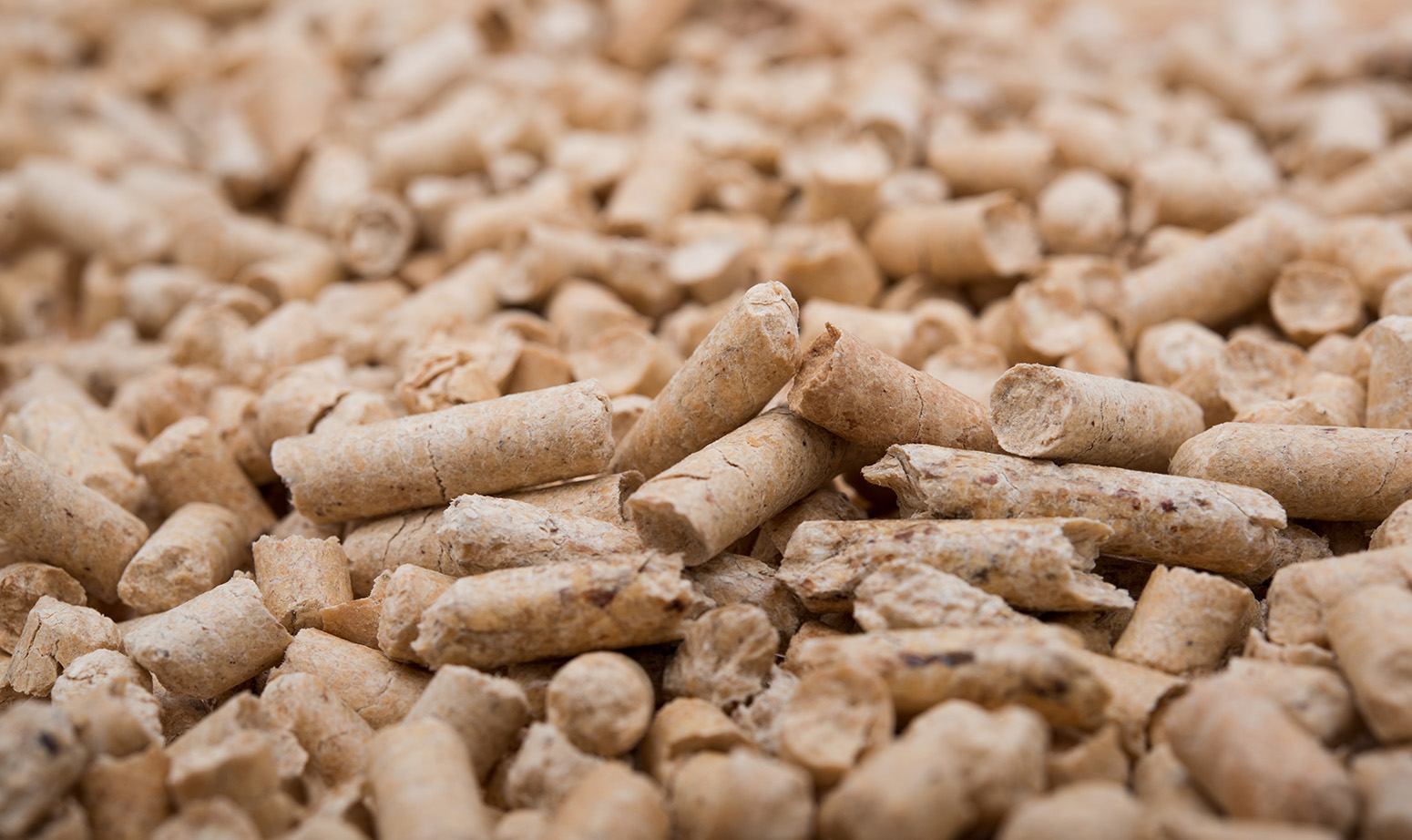
The average price for Austrian wood pellets amounted to 236,8 € per tonne of wood pellets or 4.83 Cent per kWh in April 2018.
This represents a 3.2% increase over the same period last year, but a -1.8% decrease from March 2018. The cost advantage for wood pellets in Austria is currently 53.7% for extra light heating oil and 66.0% for natural gas.
At the moment, in Austria, wood pellets in bags cost an average of € 4.05 per 15 kg bag (when ordered by the pallet). This represents an increase of 2.2% as compared to the same month of 2017 and a -0.6% decrease, as compared to the previous month.
Article archive
Stora Enso’s new CLT mill construction in Gruvon to be ready by 2019

Stora Enso’s new cross laminated timber (CLT) factory in Gruvön, Sweden, is proceeding as planned. The company announced that it would invest EUR45 million in a new production unit in connection with its Gruvön Mill.
“We want to be role models in using wood in construction. Other than the groundwork and reinforced concrete columns, we are building the whole new mill out of CLT by Stora Enso,” said Pär Larsson, the mill’s manager. “I think this is a unique opportunity to build our premises sustainably.”
Construction started in October 2017 and production is scheduled for the first quarter of 2019.
The investment will further enhance Stora Enso’s position as a global provider of high quality engineered wooden elements and as a market leader in CLT.
China’s Hengan International to buy largest stake in world’s largest pulp mill project in Finland

Chinese Hengan International has bought the largest share in Finnpulp, a Finnish company that is going to build a EUR 1.4 billion pulp mill in Finland. The plant in located in Kuopio and is due to start operations in 2020.
Hengan International is one of several Continue reading "China’s Hengan International to buy largest stake in world’s largest pulp mill project in Finland"
Russian log and sawn timber exports increased during January-February

The Russian sawn timber exports have grew during January-February 2018, both in volume and in value terms. The country exported 2.43 million tonnes of sawn timber in the mentioned period.
According to the statistics published by the Russian Federal Customs Office, this volume is 3.6% more than during the same period in 2017. Moreover, the total value of the exported Russian sawn timber increased by 21.1% and amounted to $588.2 million.
The Russian log exports have slightly decreased in volume terms in January-February 2018, but went up in value terms. Thus, the log exports amounted to 2.912 million m3, 0.2% less y-o-y. Also, the total value of the Russian logs exported in the mentioned period amounted to $243.3 million, 9.1% more than in 2017.
Sodra reopens Langasjo sawmill in Sweden after SEK100M investment
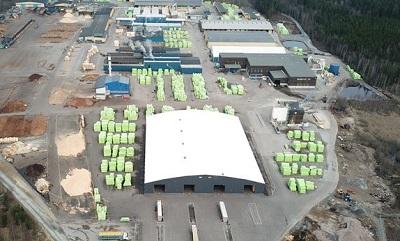
On Saturday 21 April, Södra’s sawmill at Långasjö was reopened at a ceremony attended by more than 2,000 visitors. In 2017, just over SEK 100 million was invested in the facility to increase capacity and achieve more efficient production. The initiative has also created an additional 25 jobs.
More than 2,000 visitors from all over Götaland attended the reopening ceremony of the Långasjö sawmill. The day’s theme was ‘We are creating a sustainable future here together.’ This was reflected during the opening ceremony when the entire chain – from forest owners, forest inspectors, employees and customers to the next generation – tied ribbons, instead of cutting a ribbon.
“I am proud of what we have done at Långasjö. With this investment of SEK 100 million, we have created an efficient and modern sawmill where we can produce even higher volumes at a lower cost and meet the demand for our sustainable products. The investment makes the facility well-equipped for the future and strengthens our market position,” said Jörgen Lindquist, President of the Södra Wood business area.
The sawmill produces panelling and cross beams, but also painted products, and demand in this product category has been growing every year since 2013. The products are mainly delivered to the Netherlands and Sweden, two markets where pressure on construction timber is high.
“Market demand is high, and the investment has already generated positive results. The sawmill has been in full production with the new equipment since November 2017 and is performing according to plan,” said Jörgen Lindquist.
Increased lumber demand in the US moves prices a bit higher
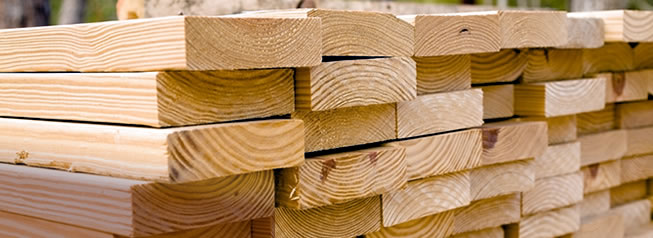
The seasonal demand for lumber in the US helped producers regain command of the framing lumber market, and many prices moved higher during last week.
Green Douglas Fir was the major exception, as prices fell in chunks before mills saw any renewed interest from customers. As warmer weather spurred increased demand, supply-side issues — mostly involving freight logistics — remained at the forefront. With gains in dry species outweighing the rout in green Fir, the Random Lengths Framing Lumber Composite Price rose $4, to $498.
| Week Apr 20 |
Week Apr 13 |
Year Ago 2017 |
|
| Random Lengths Framing Lumber Composite Price* | $498 | $494 | $437 |
| KD Western S-P-F #2&Btr 2x4 R/L Mill Price | 556 | 546 | 410 |
| KD Eastern S-P-F #1&2 2x4 R/L, delivered Great Lakes | 630 | 620 | 489 |
| Green Douglas Fir Std&Btr 2x4 R/L (Portland) | 530 | 540 | 395 |
| Southern Pine (Westside) #2 2x4 R/L | 554 | 554 | 502 |
| KD Coast Hem-Fir #2&Btr 2x4 R/L | 560 | 547 | 425 |
| Ponderosa Pine (Inland) #2&Btr 1x12 R/L | 755 | 755 | 655 |
| * Weighted average of 15 key items | |||
Random Lengths Panel Market Report
Structural panel trading was cautious, and prices shifted mildly. Prices of OSB were mostly unchanged, although cracks appeared in some markets. This was most apparent in Eastern Canada, where producers had loads available for quick shipment. Sales of Southern Pine rated sheathing picked up at midweek, as buyers stepped back in to replenish depleted inventories. Western Fir plywood trading was steady, but unspectacular. Sheathing sales picked up Wednesday.
| (f.o.b. mill prices) | Week Apr 20 |
Week Apr 13 |
Year Ago 2017 |
| Random Lengths Structural Panel Composite Price* | $529 | $528 | $426 |
| Southern (west-east) 15/32-inch 3-ply rated sheathing plywood | 500-545 | 490-540 | 385-410 |
| Southern (west-east) 15/32-inch 4-ply rated sheathing plywood | 505-550 | 495-545 | 390-415 |
| Western 1/2-inch 4-ply rated sheathing plywood | 520 | 521 | 441 |
| North Central 7/16-inch Oriented Strand Board | 405 | 405 | 333 |
| *Weighted average of 11 key items | |||
“Source locally” a key theme of European wooden furniture manufacturers

There seems to be a growing preference in the EU market to ‘source local’, particularly in the design and specifier sectors. This is mainly to support homegrown forest and timber-using industries - although EU furniture manufacturers and retailers like to take credit for the reduced transport miles and carbon footprint implied.
This is despite several recent LCA studies of wood furniture undertaken by AHEC showing that environmental impacts incurred during the transport phase are significantly less than those incurred during the processing and manufacturing phases.
In practice the carbon footprint of wood furniture is often more dependent on the quantity and mix of energy used to convert and dry the wood, and the energy efficiency of the manufacturing operation, than on shipping even when materials need to be transported over large distances.
Nevertheless, the “source local” theme will feature at the Carrefour International du Bois show scheduled for 30th May to 1st June this year in Nantes, France.
The four-year-old ‘Le Bois Français’ campaign will once more have a prominent presence and there will be significant regional French timber industry representation.
In the UK, the Grown in Britain initiative, which is supported by such leading furniture retail brands as Heal’s and Marks & Spencer, is now in its fifth year and said to be still increasing its impetus.
Underlining just how competitive the EU furniture market is, even China has recently struggled to increase sales. EU imports of wood furniture from China rose 12% to euro3.17 billion in 2015, but since then have plateaued around that level.
Austria: Softwood lumber prices drop in March
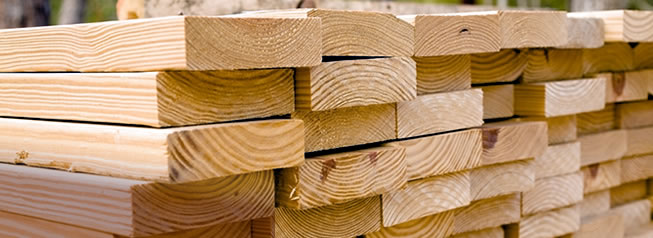
In March, the prices for softwood lumber in Austria declined slightly compared to February. The decline is of 1-2 euro per cubic meter on almost all of the assortments.
Only edged boards gained a minor price increase. Prices for rough boards have remained constant.
However, as compared to March 2017, prices have increased by about 2-4 euro per cubic meter. The maximum increase was of 7 euro. Only prices for rough boards and squared timber have stagnated year-on-year.
| Softwood Lumber Spruce/Fir | Mar. '17 | Feb. '18 | Mar. '18 | Change Mar. '17 to '18 € / cbm EXW |
| Edged Boards, 0-IIIa, 23 mm + | 229-244 | 236-247 | 235-248 | +4 / +4 |
| Rough boards in fixed dimensions, 18-22 mm | 227-240 | 230-240 | 230-240 | +3 / - |
| Squared timber, standard dimensions, I/II, 4-6 m | 207-217 | 211-219 | 209-218 | +2 / +1 |
| Reserve squared timber, II/III | 150-160 | 156-162 | 154-160 | +4 / - |
| Boards, III-IV, 8-16 cm, 4-6 mcm, 4-6 m | 145-151 | 150-155 | 147-154 | +2 / +3 |
| Boards, III-IV, 8-16 cm, just 4 m | 146-152 | 151-156 | 149-155 | +3 / +3 |
| Boards, III/IV, 23 mm, 4-6 m | 147-152 | 152-157 | 149-155 | +2 / +3 |
| Boards, III/IV, 28 mm +, 3-6 | 151-157 | 157-166 | 156-164 | +5 / +7 |
Global MDF markets situation; consumption reaches 96,4 million m3
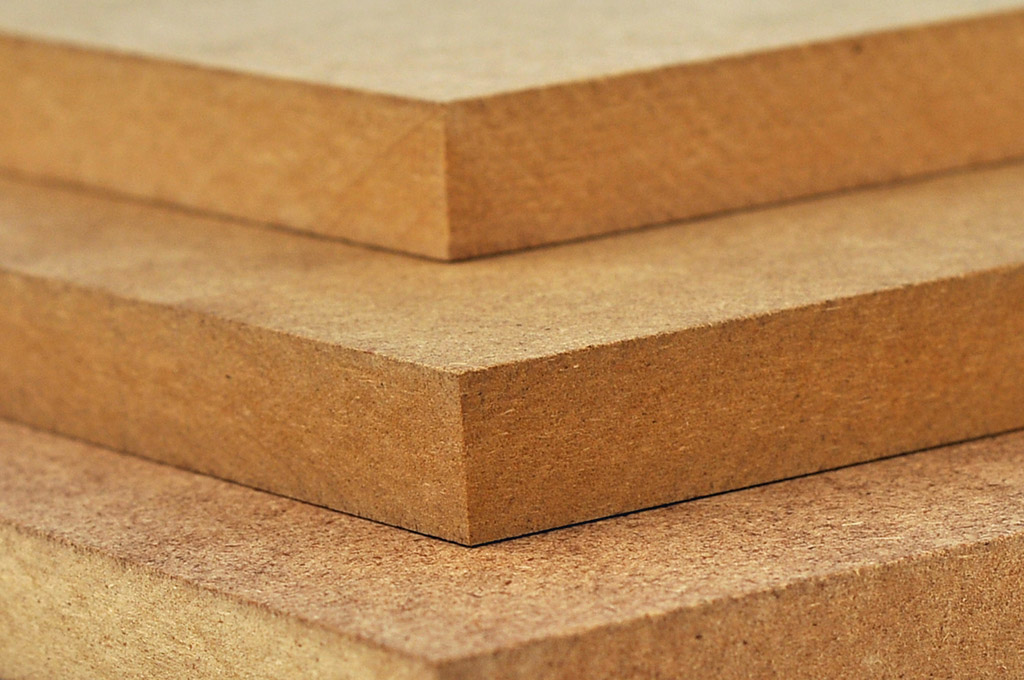
In 2017, the global MDF market amounted to 96.4 million m3, posting solid gains over the last ten years. In value terms, the market stood at 38.5 billion USD, which was approx. at the level of 2015. After a decline by 10% in 2009, the market recorded a robust upward trend over the next five years, until it dropped slightly in 2015 and then flattened.
China accounts for approximatevely 57% of the global MDF consumption
China was the country with the highest volume of consumption (55.2 million cubic meters) in the world. The other countries lagged far behind: Turkey (4.7 million cubic meters), the U.S. (4.2 million cubic meters), Brazil (3.8 million cubic meters) and Poland (3.1 million cubic meters); all these countries, together with China, comprised near 74% of global consumption.
The highest average annual growth rates of MDF consumption from 2007 to 2016 were recorded in Turkey, with +11.5% growth, and China, with +9.7%. Consequently, China strengthened its share in terms of the global consumption from 43% in 2007 to 57% in 2016; the share of Turkey increased by +2 percentage points. By contrast, the share of the U.S. (-3 percentage points) declined over the period under review.
Amongst the leading consuming countries, high level of per capita consumption levels were recorded in Poland (79.1 cubic meters per 1,000 in 2016), which was significantly higher than the world average of 13.0 cubic meters per 1,000. In this country, per capita consumption grew with a CAGR of +7.5% in 2007-2016. However, the most notable growth of per capita consumption from 2007 to 2015 was recorded in Turkey, with on average +9.8% per year.
MDF production continues to grow steadily
Production of MDF reached 97.5 million cubic meters in 2017; a relatively flat trend from 2007-2009 was followed by a steady growth through to 2016, which, however, decelerated over the last two years. In value terms, global production of MDF was estimated at 38.5 billion USD in 2016, which was 4% less than the highest level of production achieved in 2014. The value of production dropped in 2009 by 12%, followed by recovery and further growth over the next four years, until it fell again.
China, as well as Turkey, Brazil and Poland, intensively increased the MDF output
China was the key world MDF producing country with an output of about 57.7 million cubic meters in 2017, which accounted for 59% of the global output. The other major producers were Turkey (5%), Brazil (4%) and Poland (4%).
In China, the production volume increased by +11.0% annually from 2007 to 2017, largely attributed to favourable economic conditions and growth of global downstream industries. The other leaders also experienced high paces of production growth: Turkey (+11.8% per year), Brazil (+11.2% per year), Poland (+9.1% per year).
About 16% of MDF global production is exported
MDF remained a widely traded commodity, despite the decline of the share of export in total global output from 27% in 2007 to 16% in 2017. High trade intensity is determined mainly by the substantial distances between the main centers of MDF manufacturing and key consuming countries.
China and Thailand increased the MDF exports, while supplies from Germany decreased
In 2017, the volume of global MDF exports totalled 17.0 million cubic meters, which was 3% more than the year before. A noticeable decline was observed with regard to the volume of exports in 2008-2009, followed by a recovery over the next two years; afterwards, it flattened over 2012-2013, and then started to grow mildly through to 2017.
China (2.8 million cubic meters), Thailand (1.7 million cubic meters) and Germany (1.6 million cubic meters) were the main global suppliers of MDF, with a combined share of 36% of global exports. They were followed by Poland and Spain, each accounting for about 5% of global exports.From 2007 to 2017, Thailand (+11.6% per year) was the fastest growing supplier amongst the major exporters. Despite being one of the largest global producers of MDF, Turkey, Brazil and the U.S. did not export much of their production, meaning that it was either domestically consumed, or put in storage.
The US and Iran were the largest MDF importers
The volume of global imports totaled 15.9 million cubic meters in 2017. The trend pattern of imports practically mirrored that of exports: these trade flows globally complement each other.
In 2017, the U.S. (1.6 million cubic meters) and Iran (1.4 million cubic meters) were the leading destinations of MDF imports, together making up 19% of global imports. They were followed by Saudi Arabia (5%), the UK (4%), Italy (4%) and France (4%). Amongst the major importing countries, Iran (+11.8% per year) gained the highest annual growth rates from 2007 to 2016. With regard to the share of a particular country in global imports, the shares of Iran (+5 percentage points), the U.S. (+2 percentage points) and Saudi Arabia (+2 percentage points), increased from 2007 to 2016, while the share of Italy (-2 percentage points) illustrated negative dynamics. The shares of the other countries remained relatively stable throughout the analyzed period.
US decides not to go any further with Chinese plywood investigations
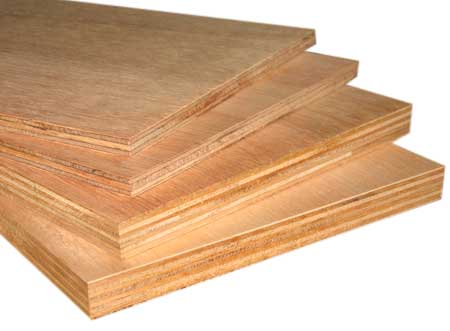
On February 15, four US plywood producers filed a petition at the US Department of Commerce complaining about the plywood imports from China. For now, DOC has dismissed the petition and decided not to launch a new investigation.
The plywood producers asked for DOC to add more far-reaching reviews to complement the investigation completed at the end of 2017.
They also wanted to broaden the subject of the probe into plywood made with softwood veneer faces, as the companies believe that various plywood manufacturers in China are switching outer faces with softwood veneers, as a response to punitive duties imposed on hardwood plywood products at the start of 2017.
Section 781c of the US Tariff Act of 1930 permits for the investigation to be broadened as long as the new object of the investigation only varies slightly from the grades covered to date.
The investigations made until now are addressed for laminated and unlaminated plywood with two or more layers whose top face solely consists of hardwood veneers or bamboo. With this backdrop, the DOC believes that plywood with softwood outer faces cannot be seen as a minor product change to the object of the investigation.
Roundwood prices in Estonia on the rise in February

Roundwood prices in Estonia have risen significantly in February 2018, from December 2017. In January 2018, the price continued to increase and stabilized at a high level in February.
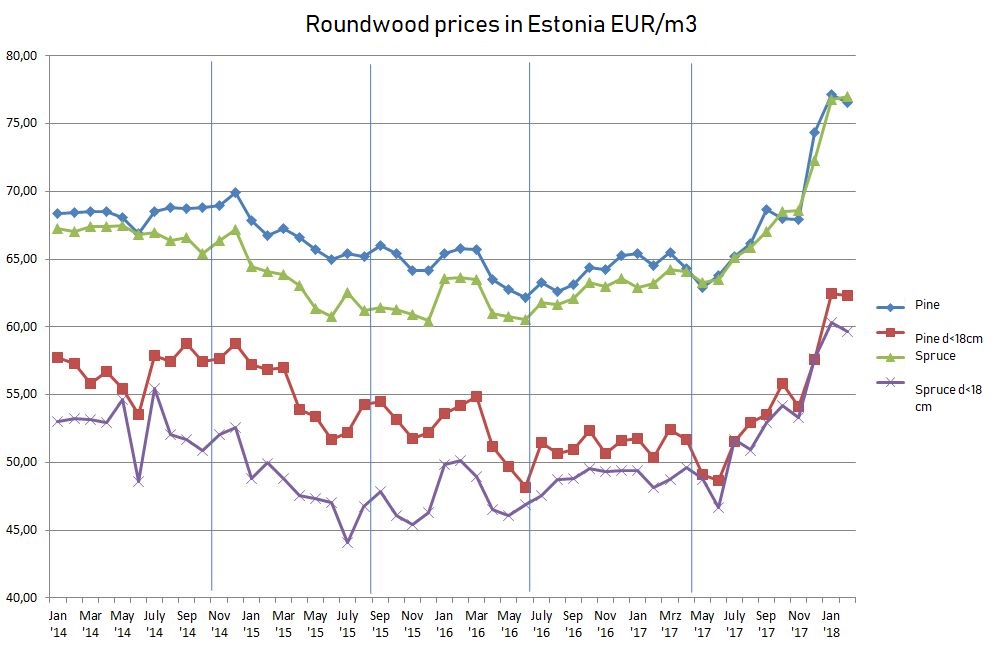 Compared to February 2017, all roundwood species are significantly more expensive.
The prices for logs went mostly up, except birch veneer, whose price dropped by -2,04%. Pine could be bought for EUR 76,57/m3, 18,66% more than February 2017, while the price for spruce went up by 21,81%, to EUR 77,01/m3.
As for the pulpwood assortments, the only price to descend was for aspen, by -0,68%, to EUR 21,77/m3. While pine and spruce could be bought for EUR 31,15/m3 and EUR 30,75/m3, respectively, the price for birch increased by 33,78%, to EUR 30,99/m3.
| Feb'17 €/m3 | Jan'18 €/m3 | Feb'18 €/m3 | Change % Feb 17 - Feb 18 | Change % Jan - Feb 18 | |
| Pine | 64,53 | 77,16 | 76,57 | 18,66% | -0,76% |
| Pine d<18cm | 50,36 | 62,43 | 62,29 | 23,69% | -0,22% |
| Spruce | 63,22 | 76,74 | 77,01 | 21,81% | 0,35% |
| Spruce d<18cm | 48,11 | 60,31 | 59,68 | 24,05% | -1,04% |
| Birch veneer | 111,00 | 109,56 | 108,74 | -2,04% | -0,75% |
| Birch | 59,60 | 64,84 | 63,24 | 6,11% | -2,47% |
| Aspen | 30,58 | 36,45 | 38,87 | 27,11% | 6,64% |
| Pine Pulpwood | 24,66 | 30,78 | 31,15 | 26,32% | 1,20% |
| Spruce Pulpwood | 24,44 | 29,60 | 30,75 | 25,82% | 3,89% |
| Birch Pulpwood | 23,15 | 28,74 | 30,99 | 33,87% | 7,83% |
| Aspen Pulpwood | 21,92 | 22,69 | 21,77 | -0,68% | -4,05% |
| Firewood | 17,89 | 20,41 | 20,92 | 16,94% | 2,50% |
Bergs Timber agrees to acquire Norvik’s timber operations in Baltics and UK
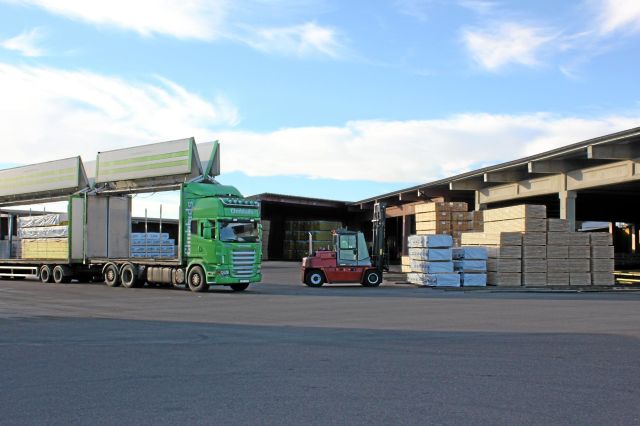
Bergs Timber signed an agreement with Bergs Timber’s main owner, Norvik, Norway, acquiring a number of companies within the Norvik Group with operations in Latvia, Estonia and the United Kingdom.
The letter of intent concerning the acquisition was signed by Bergs Timber and Norvik on January 22, 2018. Since that time, Bergs Timber has conducted a review of the target companies and together with Norvik carefully evaluated the industrial logic behind the acquisition.
Through the acquisition Bergs Timber is expected to become a major player in the sawmill market, increasing sawmilling capacity from about 530,000 m³ per year to approximately 920,000 m³ per year.
The acquisition is also expected to increase Bergs Timber’s degree of processing and devote to limiting Berg’s Timber’s sensitivity to fluctuations in the business cycle.
Through the target company’s concentration to the Baltics, the new group’s raw material base is broadened while risk spreading is due to the fact that parts of production are based on costs in euros.
Potential exists for coordination benefits in areas such as commodity procurement, distribution and sales.
The purchase price consists of 170 million newly issued shares in Bergs Timber and a cash payment of SEK 270 million (around USD 32 million). The newly issued shares in Bergs Timber, which are intended to be issued in full after the decision of the Extraordinary General Meeting on May 14, 2018.
The target companies are owned by Bergs Timber’s largest shareholder Norvik, which today owns 29.52% of the outstanding shares and votes in Bergs Timber. If the acquisition is being carried out, Norvik is expected to acquire a stake in Bergs Timber of 64.68% . Norvik has announced its intention to divest part of its holdings of shareholdings with the aim of reducing in time the total holding of shares in Bergs Timber to levels below 50%.
Peter Nilsson, CEO of Bergs Timber, commented: “We have now been able to get to know and evaluate Norvik’s timber business for a few months. These companies are well-managed and profitable with committed staff and fine products. I am convinced that the companies strengthen each other and that the acquisition is good both for our staff and our owners.”
In 1H FY2017/18, Bergs Timber increased sales by 28%. The company is active in three business areas: forestry services for our forest owners, forest products and timber preservation.
EU Commission decides to investigate IKEA’s Dutch tax rulings

The European Commission published on the 27th of March the nonconfidential version of its decision to open a formal investigation into Dutch tax rulings issued in 2006 and 2011 that may have allowed an IKEA subsidiary to reduce taxable profits in the Netherlands, giving it an unfair competitive advantage over other companies in breach of EU State aid rules.
The Commission previously announced that it decided to investigate IKEA, but held back the release of the opening decision until now to ensure that any confidentiality concerns were addressed.
The Commission’s opening decision, dated December 18, 2017, describes the reasons for the EU’s initiation of an in-depth investigation and gives the Netherlands, IKEA, and others an opportunity to respond. According to the Commission, IKEA subsidiary, Inter IKEA Systems, recognizes significant income in the Netherlands, collecting franchise fees from IKEA stores throughout the world equal to 3 percent of each store’s turnover. In return, the stores are permitted to use the IKEA trademark and receive know-how to operate and exploit the IKEA franchise concept.
Between 2006-2011, Inter IKEA Systems paid annual license fees to a related IKEA company based in Luxembourg, I.I. Holding, S.A.. The payments to I.I. Holdings were in exchange for use of intellectual property rights, which were required to create and develop the IKEA franchise concept. I.I. Holding paid no corporate tax in Luxembourg because it was subject to a special Luxembourg exemption regime for holding companies in place at the time.
The method of calculating the license fee was endorsed by a 2006 Dutch advance pricing agreement, one of the two rulings that are the subject of the Commission’s in-depth investigation. The Commission says it has doubts that the 2006 APA was arm’s length and whether it resulted in an annual taxable profit for Inter IKEA Systems from 2006-11 that corresponds to a reliable approximation of a market-based outcome.
Inter IKEA Systems later purchased the IP rights held by I.I. Holding. The Dutch subsidiary financed this acquisition by taking out a loan from its Liechtenstein parent.
A 2011 tax ruling granted by the Netherlands endorsed the price paid by Inter IKEA Systems for the acquisition of the intellectual property and the interest to be paid on the intercompany loan.
The Commission said it also has doubts whether the price agreed for the proprietary rights as agreed in the 2011 APA corresponds to an arm’s length price and therefore whether the 2011 APA results in an annual taxable profit for Inter IKEA Systems from 2012 onwards that corresponded to a reliable approximation of a market-based outcome in line with the arm’s length principle.
This inquiry follows EU Commission’s inquiry into a Netherlands tax ruling granted to Starbucks. The Commission concluded in that case that the Netherlands conferred a selective advantage Starbucks violating EU State aid rules. The case is currenly being litigated in EU cou
Inter IKEA Systems later purchased the IP rights held by I.I. Holding. The Dutch subsidiary financed this acquisition by taking out a loan from its Liechtenstein parent.
A 2011 tax ruling granted by the Netherlands endorsed the price paid by Inter IKEA Systems for the acquisition of the intellectual property and the interest to be paid on the intercompany loan.
The Commission said it also has doubts whether the price agreed for the proprietary rights as agreed in the 2011 APA corresponds to an arm’s length price and therefore whether the 2011 APA results in an annual taxable profit for Inter IKEA Systems from 2012 onwards that corresponded to a reliable approximation of a market-based outcome in line with the arm’s length principle.
This inquiry follows EU Commission’s inquiry into a Netherlands tax ruling granted to Starbucks. The Commission concluded in that case that the Netherlands conferred a selective advantage Starbucks violating EU State aid rules. The case is currenly being litigated in EU court.
Russia to impose restrictions on veneer logs exports
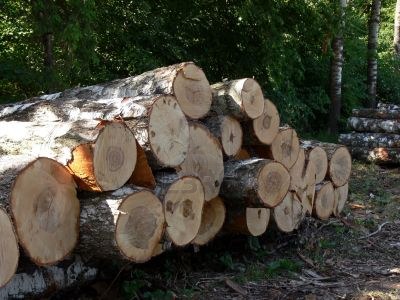
The Ministry of Industry and Trade of Russia decided to impose temporary restrictions on the export of veneer logs for a period of two years. The decision was taken during a meeting of the subcommittee on custom tariff, non- tariff regulation and protective measures in foreign trade held in March 2018.
According to the Russian Timber Journal, it is expected that the corresponding Government Decree will be approved in 2018 and will provide a system for quoting exports of birch veneer logs. The quota will be set at the level of 2014, in which, in the opinion of the Ministry of Industry and Trade, there was a balanced level of export and domestic consumption of veneer logs at the level of 460,000 m3.
In early March, at a meeting in Ufa with Mikhail Babich, the Presidential Envoy in the Volga Federal District, Vladimir Potapkin, director of the Department of the Chemical, Technological, Forestry Industry and Bioengineering Technologies, presented the proposal of the Ministry of Industry and Trade to introduce an export quota mechanism for veneer logs as a key solution to overcome the deficit of this type of raw materials in Russia.
One of the topics of the meeting was discussion of the situation with the provision of birch logs to timber industry enterprises. Earlier, Russian plywood manufacturers appealed to the Ministry of Industry and Trade of Russia with complaints about a significant shortage of raw materials. As a result of this, and taking into account the analysis of the market of birch veneer logs, it was included into the list of goods for which, in exceptional cases, temporary restrictions or export prohibitions may be established, as the Russian Timber Journal reported.
During the 2017, the Ministry of Industry and Trade studied the situation of Russian plywood enterprises with raw materials; as a result, a negative dynamics was revealed in the supply of processing plants with veneer logs and an increase in the export of these raw materials to China.
"The monitoring showed that we need to temporarily introduce a quota for the export of birch plywood raw materials from Russia. At present, the growth of consumption and export of veneer logs exceeds the growth of its harvesting, therefore there is a deficit of necessary raw materials at our processing enterprises,” Vladimir Potapkin said. “To solve this situation, we have prepared a draft resolution on the introduction of a mechanism for export quotas on veneer logs."
Market participants note that when exporting raw materials at customs, situations may arise with the replacement of pulp logs with veneer logs, since in the commodity nomenclature there is no clear separation of logs by qualitative characteristics.
As the Russian Timber Journal reported, therefore, when exporting, there are risks of referring to the same code of both pulp logs with a diameter of more than 15 cm, and plywood raw materials. In order to prevent incorrect declarations, proposals have been prepared for a number of additions with a clear description of the veneer logs and their quality characteristics.
Finnish roundwood demand and prices continues to grow

Thanks to the positive economic situation and investments, roundwood use by the Finnish forest industry will break the 70 million cubic metre barrier for the first time since the recession. The use of imported roundwood will continue to decrease slightly this year and next.
The increasing use of wood in Finland has been hinted at the past few years by the increasing volume of domestic roundwood trade and removals, and its rate of growth is expected to slacken during the forecast period. The growing demand will be reflected in rising roundwood prices. The price of roundwood will also be pushed up next year by inflation. Continue reading "Finnish roundwood demand and prices continues to grow"
Siempelkamp will supply new particleboard plant for VMG in Lithuania
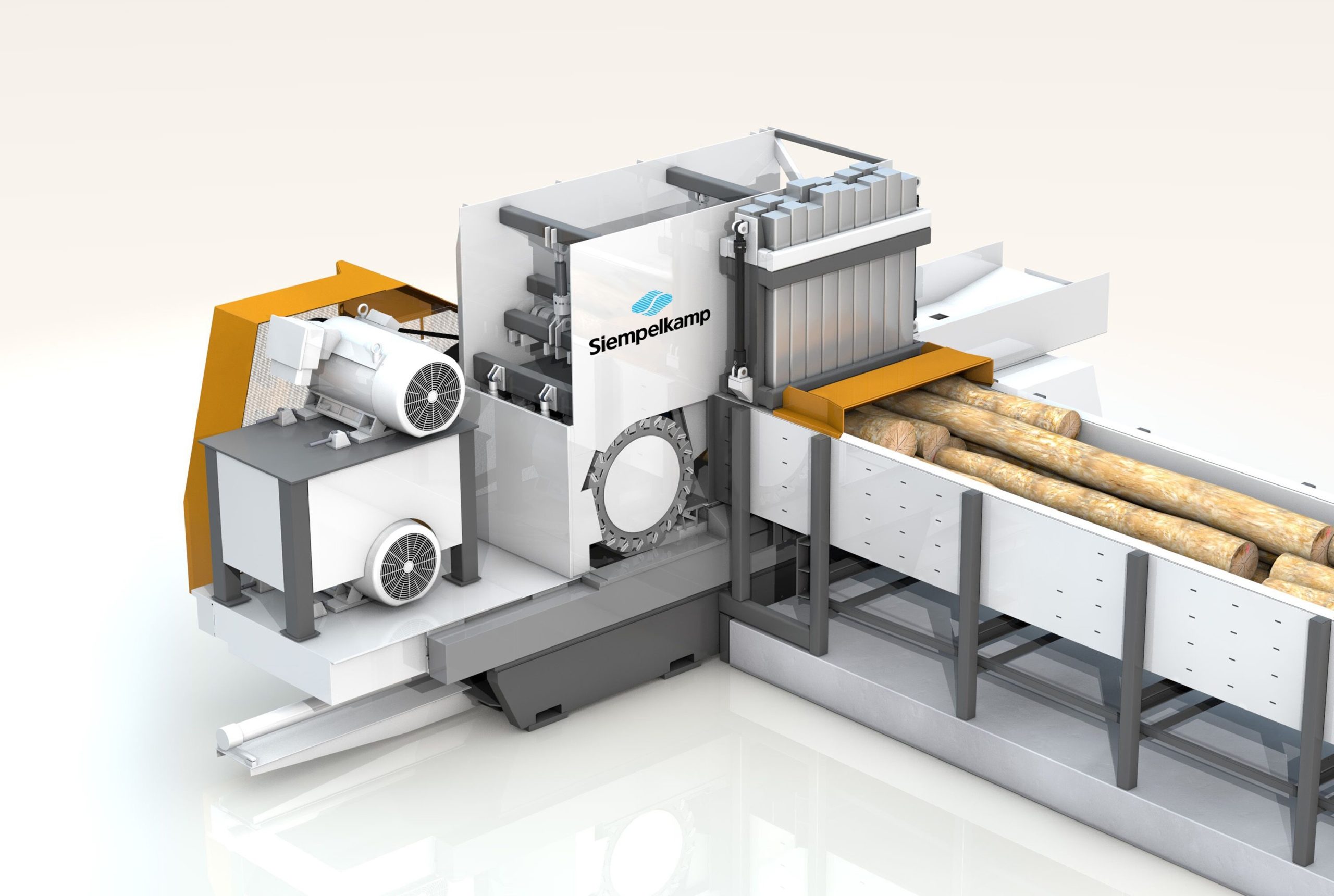
Kalipedos Madiena (VMG) orders the complete plant with Siempelkamp in Krefeld, Germany. The new plant, which will be located in Akmene, Lithuania, will be Europe’s most modern particle board production with pioneering technology that will go into operation in 2020.
The new plant will supply the strong expanding production of furniture and kitchens. Since many years the manufactures produces exclusively for IKEA. Thereby is VMG jointly responsible for the positive development of the production capacity in the Baltic and neighbouring countries and will in near future provide additional Lithuanians producers with raw particle boards.
The new order demands Siempelkamp’s whole product portfolio. The synergies of the specialist subsidiaries Pallmann, CMC and Büttner are optimal used.
The Belgian planning office Sicoplan adds, due to the 3D-planning technique, all CAD-capabilities, all in all based on laser measurement technology to millimetre data of the real landscape topography. Core component of the plant will be the ContiRoll ® of the new Generation 9 with a length of 45.4 m and a width of 8’. The production capacity of the new plant will be 2.000 m³/day.
EU domestic furniture sector recovery and growth

The biggest shift in the EU furniture sector in recent years has come in the degree of market self-sufficiency, with European manufacturers taking more of their domestic national and intra-EU trade. Further underlining their growth and increasing competitiveness, they are also exporting more.
According to the European Furniture Industries Confederation, the sector was hard hit in the international downturn from 2007, seeing turnover fall from euro136 billion to euro90 billion and shedding 280,000 jobs. Since then, however, it has seen sales recover to euro96 billion and its workforce to rise to over 1 million again.
In 2010, EU furniture suppliers achieved intra-EU trade turnover of euro 15.3 billion from, while exports were valued at euro 6.4 billion and imports at euro 5.9 billion, delivering a euro 500,0000 trade surplus. By the end of 2017 the intra-EU trade figure had jumped 26% to euro19.2 billion, while exports hit euro 8.8 billion. With total imports having grown only to euro 6.3 billion, this pushed the trade surplus to euro 2.5 billion in 2017, five times the level of 2010.
Several reasons are given for the success and development of the EU furniture industry. One is the maturing of investment from Western Europe into manufacturing in former Soviet bloc Eastern European countries, led by big brands such as IKEA. From being principally production satellites for companies like the latter, the plants are reported increasingly to have developed their own identity and market momentum.
An illustration of this is the latest market development project from the American Hardwood Export Council (AHEC). As part of its strategy to grow European sales of US red oak, it has linked with leading Polish furniture designer Tomek Rygalik. He has worked with leading international labels, including IKEA, and is now design director for major Polish producers Paged and Comforty.
In the AHEC project, Tomek Rygalik is creating a US red oak furniture collection, which the Americans hope will not only sell well and help promote the species in Poland itself, but also in the latter’s Western European furniture export markets. The goal is also to fire the interest of other Polish designers.
China’s furniture imports at a record high
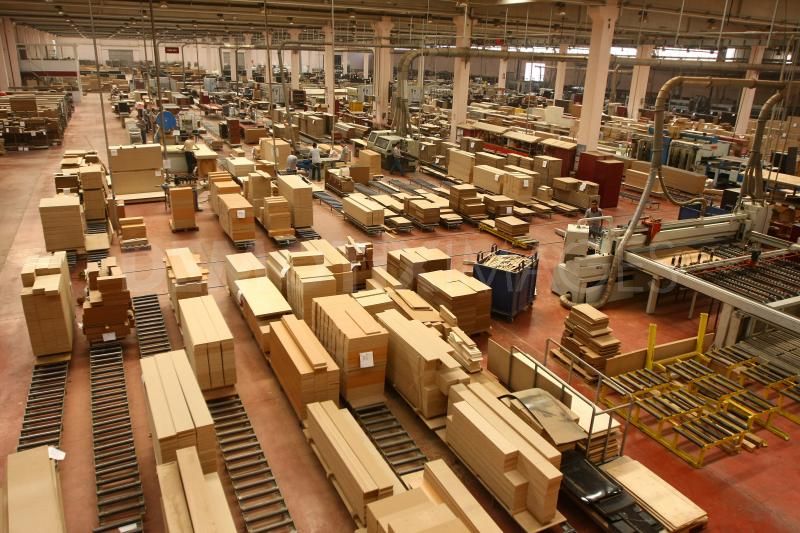
According to the China National Furniture Association the value of China’s furniture imports in 2017 rose 16% to US$3.052 billion, a record high for the past ten years. The cities accounting for the highest level of consumption of imported furniture were Shanghai, Guangdong, Beijing, Jiangsu and Tianjin.
The value of furniture imports through Shanghai and Guangdong grew 35% and 17% respectively and these two account for over 50% of total national furniture imports. Analysts write that the driving force behind the rise in furniture imports was the significant growthin domestic furniture production costs. Prices for all inputs into furniture such as timber, steel, foam, leather, adhesives and hardware are continuing to rise. For example prices for foam skyrocketed 70% and prices for leather jumped 30% in 2017. Furthermore, logistic and labour costs have increased sharply and the recently introduced environmental protection regulations have pushed up production costs.
Analysts expect China’s furniture imports will continue to increase over the coming years and note that the pace growth of furniture imports is higher than that of furniture exports.
China’s furniture industry continues to grow at a relatively high level in terms of domestic production. There were about 6,000 major furniture manufacturing enterprises in 2017, an increase of 439 compared with the previous year.
The turnover of the top furniture manufacturing enterprises in 2017 topped RMB906 billion.
At present, Chinese furniture products are still in the middle and low end of the value chain in the international markets.
The government and associations aim to nurture a number of outstanding enterprises with international influence, create a number of internationally recognised industry enterprises, further enhance the influence and competitiveness of the furniture industry and consolidate and improve its position in the international arena.
Compared with well-known furniture brands in Europe and the United States there is not a furniture brand in China that is recognised worldwide.
Chinese wood products exports hit by Trump's tariffs

The US Trade Representative has issued a list of products to which a 25% tariffs will be collected. The list covers some 1300 products imported into the US from China valued at about US$50 billion.
Wood products that now attract tariffs include wood products machinery and furniture parts. Analysts in China say inclusion of HS84193250, 84412000, 84413000, 84414000, 84418000, 84419000, 84209920, 84399910, 84399950 and parts of seats (94019015) and parts of seats of cane, osier, bamboo or similar materials (94019025) , as well as kiln dried wood (84193210) is of great concern.
In retaliation China unveiled a list of products imported from the United States for a possible additional tariff of 25% just hours after the United States released its list of Chinese products subject to an additional 25 percent tariff.
The list of products, defined by 8-digit subheadings of the Harmonized Tariff Schedule of the United States (HTSUS), can be found at: https://ustr.gov/sites/default/files/files/Press/Releases/301FRN.pdf
Chinese wood products exports hit by Trump’s tariffs
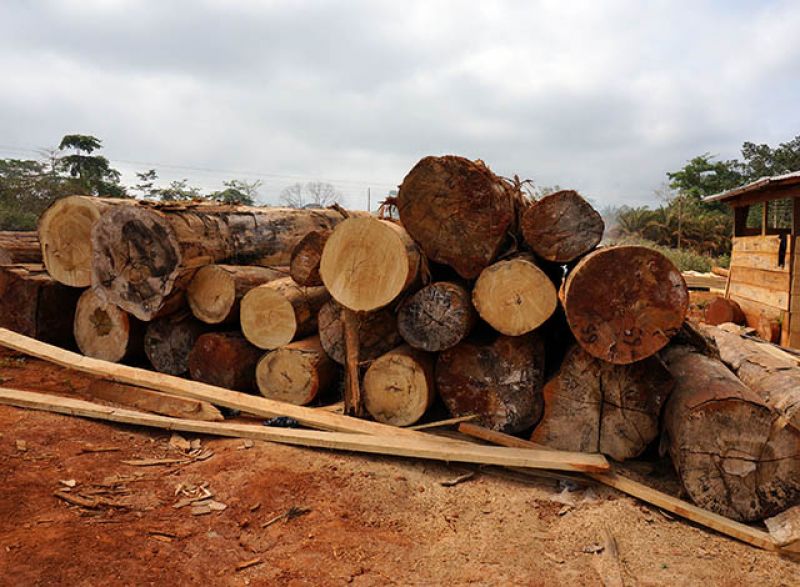
The US Trade Representative has issued a list of products to which a 25% tariffs will be collected. The list covers some 1300 products imported into the US from China valued at about US$50 billion.
Wood products that now attract tariffs include wood products machinery and furniture parts. Analysts in China say inclusion of HS84193250, 84412000, 84413000, 84414000, 84418000, 84419000, 84209920, 84399910, 84399950 and parts of seats (94019015) and parts of seats of cane, osier, bamboo or similar materials (94019025) , as well as kiln dried wood (84193210) is of great concern.
In retaliation China unveiled a list of products imported from the United States for a possible additional tariff of 25% just hours after the United States released its list of Chinese products subject to an additional 25 percent tariff.
The list of products, defined by 8-digit subheadings of the Harmonized Tariff Schedule of the United States (HTSUS), can be found at: https://ustr.gov/sites/default/files/files/Press/Releases/301FRN.pdf

