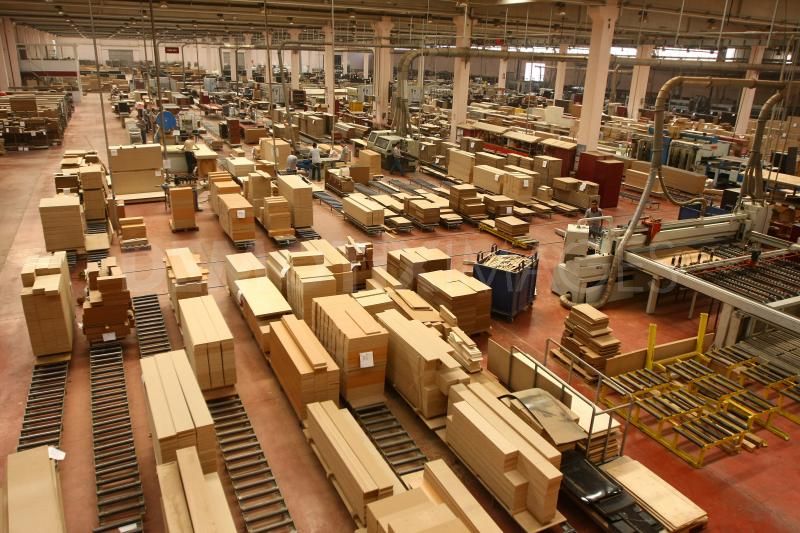
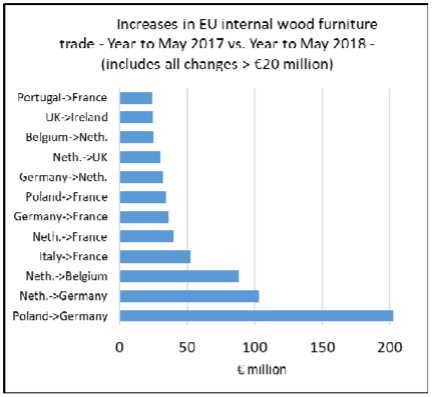
Polish wood furniture industry, which is expanding partly at the expense of manufacturing in western European countries, particularly Germany, is playing an important role to drive the on-going rise in internal EU trade. By far the largest increase in internal EU wood furniture trade flows in the last two years was in exports from Poland to Germany.
 In recent years, Poland has quickly emerged as the world’s sixth largest furniture producer and fourth largest furniture exporter.
This has been achieved by exploiting the combination of the EU’s common market in goods, proximity to Germany and other large western European markets, and low labour costs. Hourly labour rates average only around €9 in Poland compared to €27 for the EU as a whole and €34 in Germany.
Germany is Poland’s largest furniture export market with a share of around 30% of total trade, followed by UK, Czech Republic, France and the Netherlands.
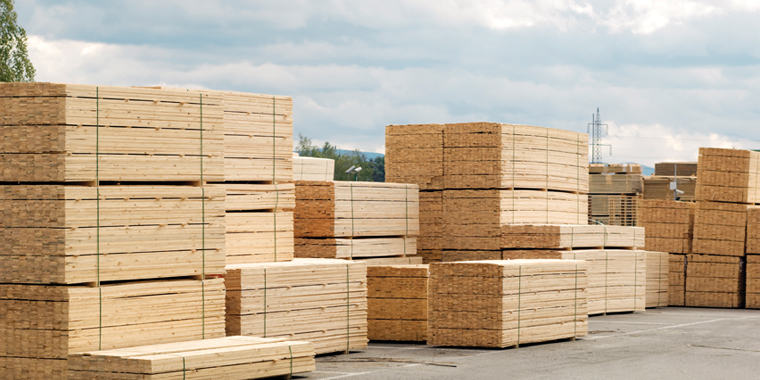
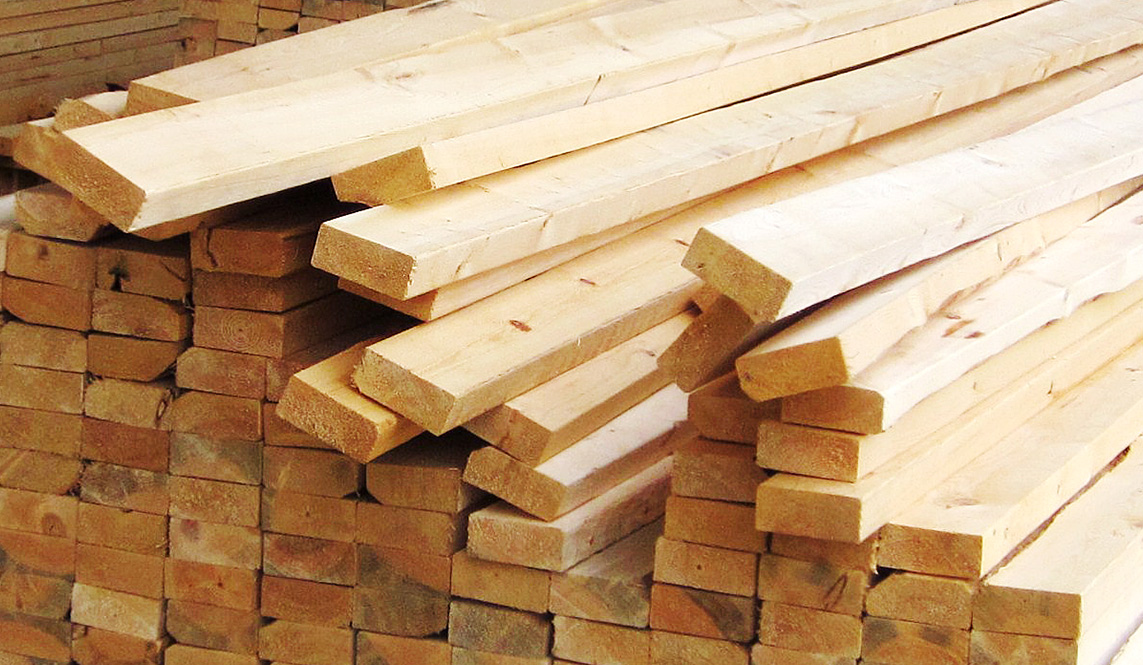
In the wood furniture sector, Poland has benefitted from the relatively large forest resource in Eastern Europe, although availability of oak, by far the most popular species, has been a limiting factor in recent years.
Another limiting factor is that Polish brands are not yet well known in export markets and overseas sales are largely controlled by large retail chains that dominate fashion and design trends.
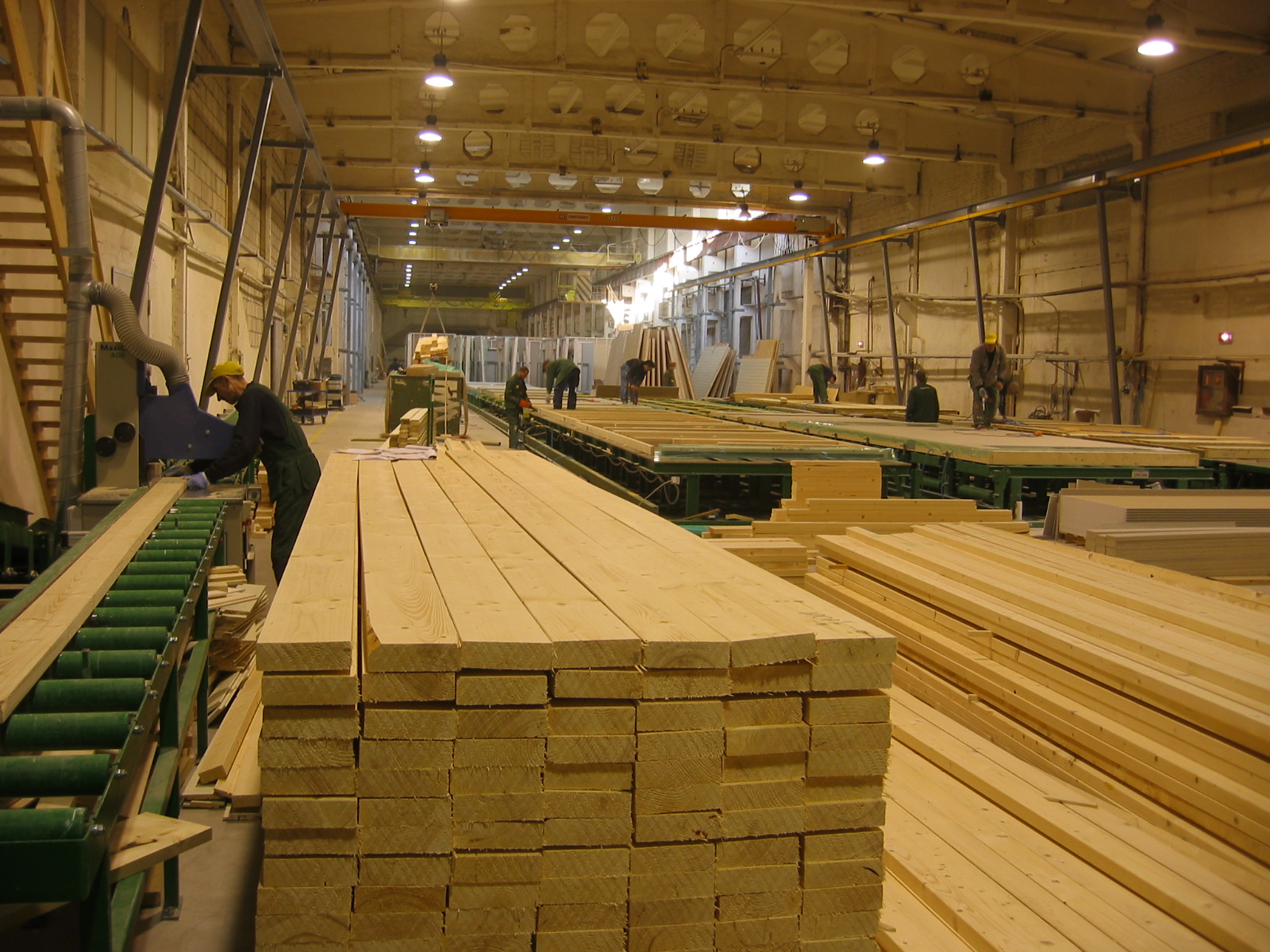
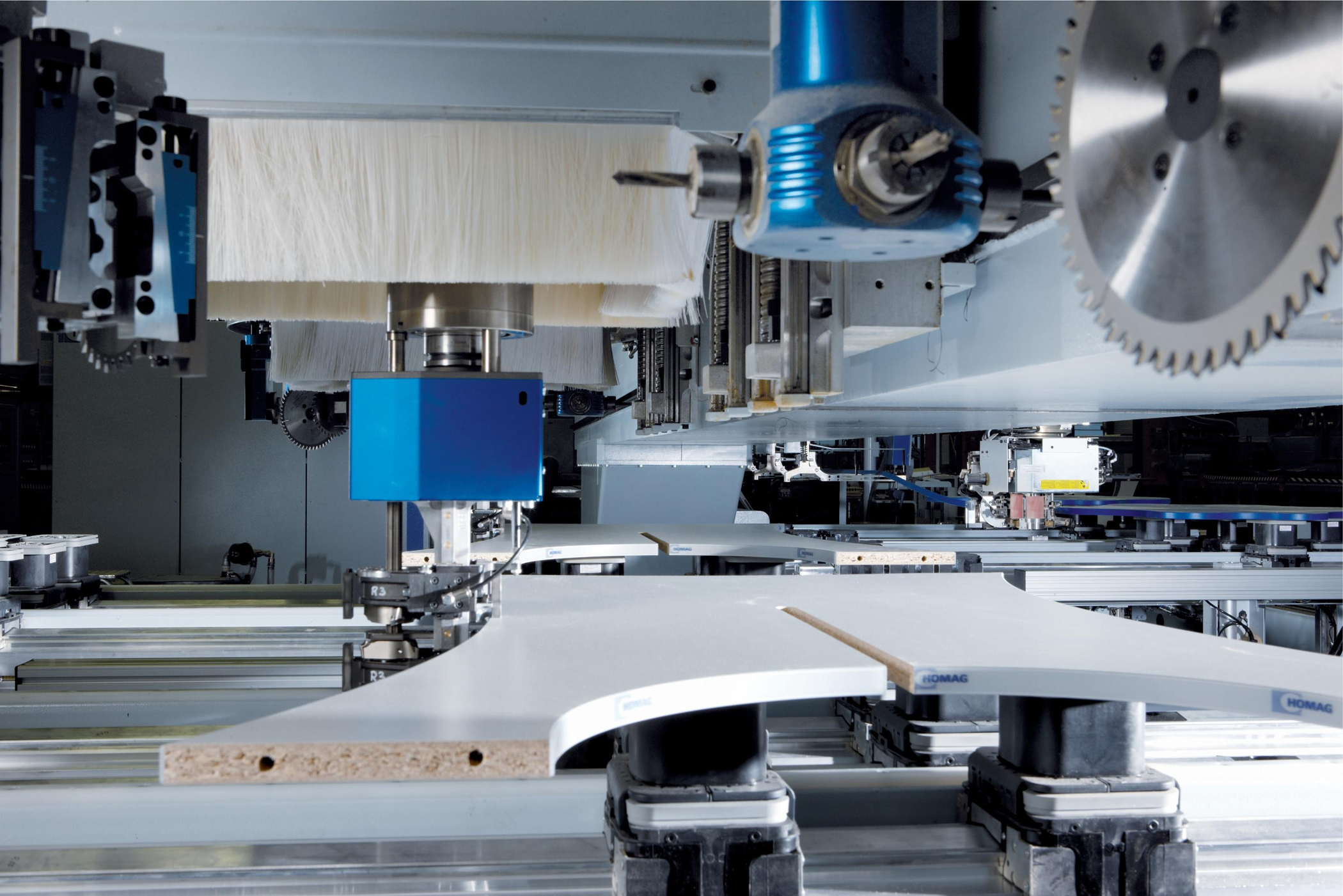
At present, there are over 27,000 Polish companies involved in furniture manufacturing, although only 407 large and medium-sized enterprises account for three quarters of production. Poland is the second largest supplier of furniture to Ikea after China. The Swedish giant operates a dozen factories in the country and is the largest company in the furniture industry in Poland.
Nevertheless, the Polish furniture industry is also characterised by many companies with domestic capital which are becoming leading players in the Central and Eastern European market. Efforts are also being made by these companies to increase production and sales of ownbrand product.