
Article archive

Germany: Positive forecasts for woodworking machines orders in 2018

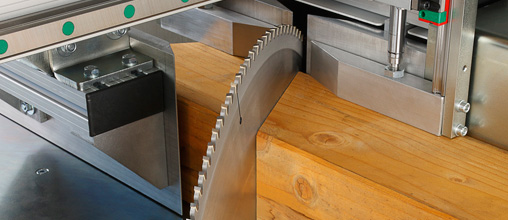
German woodworking machines manufacturers have increased production by 10.4% in 2017, to EUR 3.2 billion. 

"We have set a record year and far exceeded the original forecast of 5%," said Wolfgang Pöschl, chairman of the Woodworking Machinery Association in the VDMA, at the general assembly of the VDMA trade association in Leipzig. Pöschl was also optimistic about the year 2018: "We expect further growth of around 8% in the current year." This would increase production in Germany to more than EUR 3.4 billion.

Drivers of the development, according to the trade association, are the global megatrends, such as digitization, sustainable building and urbanization. The modernization pressure is therefore important, especially in the industrialized countries.

Export: USA and China are the driving forces

Overall, woodworking machines exports rose by 12.8% in 2017, to EUR 2.4 billion. This corresponded to an export quota of 74%. The top places as the most important sales countries again came from the USA and China, both of which saw over 70% more machines than in 2016. The USA achieved a record demand of EUR 350 million. At the same time, deliveries to China increased to EUR 302 million.

France, Poland and Austria followed the USA and China, by far. With a growth of 10%, exports to Russia have turned back into a positive trend after two years of drought, and reached a value of EUR 95 million.

European export markets recorded small decrease in the Q1/2018

In the first quarter of 2018, exports experienced a slight start-up problem, with a drop of just under 3%. Exports decreased to EUR 482 million, as compared to the previous year. The business with France, Great Britain and Switzerland declined. On the other hand, the top markets, China and the USA, increased again by 31% and 49%, respectively.

Germany: an import indicator for international division of labor

Last year, Germany imported woodworking machinery worth EUR 511 million (plus 8%) - another record. Deliveries from Poland and the Czech Republic, in particular, grew at an above-average rate of 39% and 20%, respectively. Poland was the second most important supplier country after China. According to the Association of Woodworking Machinery, the success of the Eastern European neighbors is likely to be attributed to suppliers of German mechanical engineering companies, as well as production sites owned by German owners.

Global trends for the forestry industry in Q1/2018

The Global Sawlog Price Index (GSPI) jumped 5.1% q-o-q in the 1Q/18 to reach its highest level since late 2014. Also, there has been a steady increase in sawlog prices worldwide over the past year with
the GSPI increasing just over 15% in 12 months.

The Euro-based European Sawlog Price Index (ESPI) reached its highest level in almost three years in early 2018, continuing an upward trend that started in 2016.

Global Pulpwood Prices

There have been strong pulp markets and record high prices for both softwood and hardwood market
pulp resulted in upward price pressures on wood fiber throughout the world. The Global Softwood Fiber Price Index (SFPI) was up by 3.4% from the 4Q/17 to the 1Q/18, the second highest q-o-q increase in seven years. Softwood prices rose in all regions covered by the WRQ, with the exception of Eastern Canada, where chip prices fell 16%.

Hardwood pulpwood saw a more modest price increase than softwood pulpwood, with prices rising the most in Russia, Spain and Finland. The Global Hardwood Fiber Price Index (HFPI) reached a three-year high of $90.47/odmt in the 1Q/18.

Global Pulp Markets

Global shipments of market pulp fell 3.3% q-o-q in the 1Q/18 but increased 2.4% as compared to the same quarter in 2017. In the 1Q/18, exports of wood pulp by the major producing countries  worldwide were mixed, with Brazil, Chile and Indonesia increasing hardwood pulp exports by
more than ten percent as compared to the 1Q/17. The US and Canada reduced exports over the same period.

Strong demand, coupled with tight supply and lower inventories, pushed NBSK pulp prices upward during the first four months of 2018 in both Europe and North America. BHKP pulp prices were also on a rising trajectory, but at a slower pace than that of NBSK.

Global Lumber Markets

After softwood lumber consumption in the US reached a ten-year high in 2017, demand fell in early 2018. Despite the reduced consumption, lumber production on the US west coast jumped by over nine percent y-o-y in the 1Q/18 thanks to strong demand for lumber from China during the past year.

In the Nordic countries, the sawmilling industry has seen its markets improve both in regard to demand and pricing during 2017 and early 2018.

Moreover, the demand for wood in China slowed in the 1Q/18, with total import volumes of
softwood lumber falling to their lowest levels since the 4Q/16, while Russian lumber exports increased by 10% from the previous year, reaching an all-time-high volume of 28 million m3 in 2017 (more than double the export volume in 2007).

Global Biomass Markets

Wood fiber costs for pellet producers in both Canada and the US were slightly higher in the 1Q/18 than in the previous quarter, continuing an upward trend that started in early 2017. Both the US and Canadian Pellet Feedstock Price Indices were up in the 1Q/18.

The United Kingdom, the world’s largest consumer of wood pellets, imported 37% of globally traded pellets in 2017. However, imports fell three percent from 2016, the first y-o-y decline in nine years.

Italian woodworking machinery sector announces good results for Q1/2018

The first quarter for Italian woodworking machinery is in line with the excellent results of 2017, a year that closed with a production value growth of 10.5 percent compared to 2016, achieving a historical record of 2.27 billion euro.

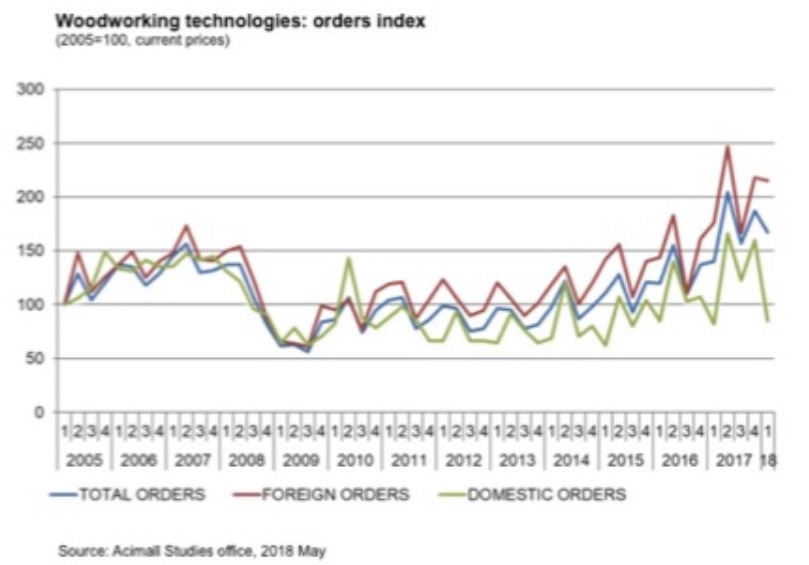
The figures of the January-March 2018 period recorded 19.2 percent growth compared to the first three months of 2017. Export remains the key driver (up by 22.1 percent from the first quarter of last year), while the domestic market increased by only 3.7 percent as the Italian market is falling back into a ‘pondering’ phase, after a few months of booming investments supported by the measures and incentives of the Industria 4.0 plan, the quarterly survey of Acimall, the Confindustria-member industry association.

The survey by the association also indicates that the orders book has gone down to 3.4 months (from 3.6 in the previous quarter), while prices as of January 1st have slightly increased (0.6 percent).

The quality survey for the quarter under scrutiny indicates that, according to 65 percent of the sample, the production trend is positive (stationary according to 29 percent, decreasing according to 6 percent).

Employment is stable according to 35 percent of the sample, increasing for 53 percent and decreasing for 12 percent. And available stocks are stable according to 65 percent of the interviewees, decreasing for 29 percent and increasing for 6 percent.

Looking at the short-term, 41 percent of the interviewees expect an expansion of export orders, while 47 percent predict a stationary trend; 12 percent fear a reduction (the balance is positive by 29 points). 23 percent of the sample is confident about the domestic market; 65 percent expect stable sales trends within the national borders, while 12 percent believes they will decrease (positive balance by 11 points).

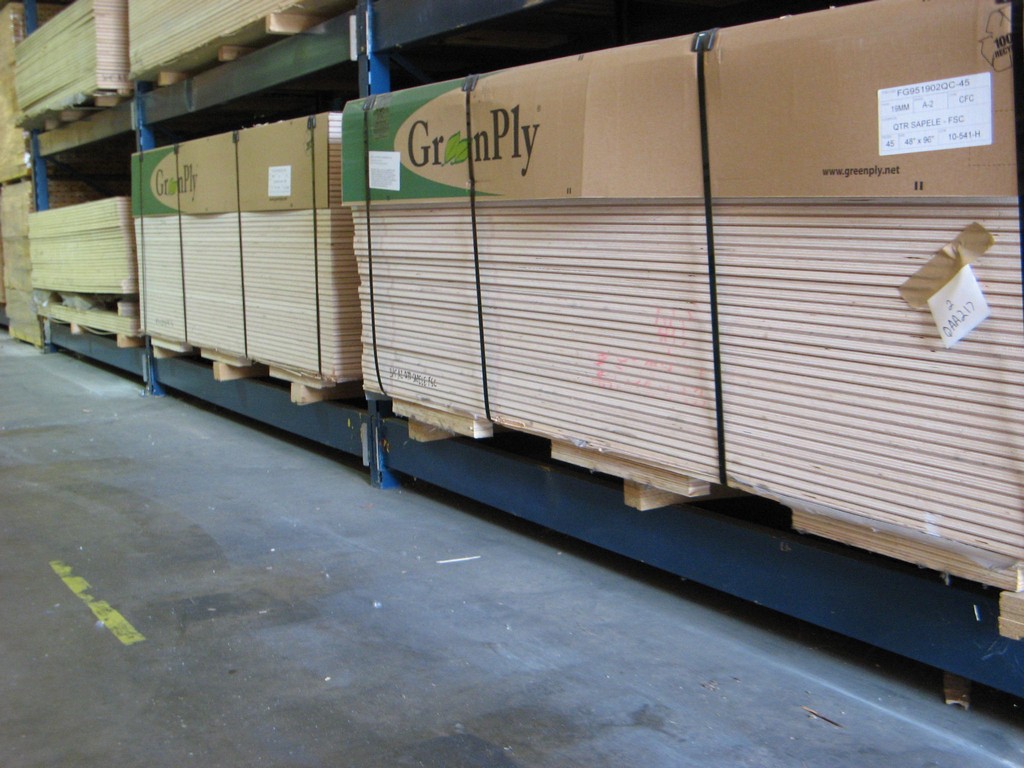
GreenPly Industries starts MDF production at its new plant in India

GreenPly Industries expects to commence commercial production at the company’s new MDF plant in Chittoor District, Andhra Pradesh, India, in June 2018.

The new MDF plant has a capacity of 360,000 m3.

GreenPly Industries produced the first board at its new MDF plant in Chittoor District on April 1, 2018. In the quarter ended on December 31, 2017 GreenPly Industries increased EBITDA margin to 16%.

Earlier, GreenPly Industries, a leading Indian producer of plywood and MDF, considered de-merge of Greenpanel Industries in India.

New wood drying technique could reduce transportation costs for biomass

A new steam drying technique for wood developed through the EU-funded SteamBio project could significantly reduce transportation costs for biomass.

According to the German-based Fraunhofer Institute for Interfacial Engineering and Biotechnology, the technique also yields feedstocks that can be used by the chemical industry. The process is currently being evaluated at the pilot scale.

Information released by Fraunhofer IGB Institute explains that forestry waste and other inferior wood is ground into chips, which are an important feedstock for the wood processing industry. Wood chips can also be used as fuel in thermal power plants and woodchip heating systems. However, the high moisture content of wood can casuse problems. Specifically, moisture increases the weight of wood chips, making them more difficult to transport. Fraunhofer IGB also notes that it is difficult to store damp cargo and said that wood chips not protected from rain quickly rot.

The SteamBio project aims to overcome these problems through the use of torrefaction. In addition to Fraunhofer IGB, 10 other partners from four European countries participated in the SteamBio project.

In a statement released by the Fraunhofer Institute, Siegfried Egner, department head at Fraunhofer IGB and coordinator of the SteamBio project, explains that the technique involves heating biomass in a steam atmosphere without oxygen.

The biomass has three main components—cellulose, lignin and hemicellulose—and this process eliminates the hemicellulose completely,” he said. As a result, the weight of the biomass is reduced while its specific calorific value is improved. The process also makes the material water resistant. Furthermore, the wood chips can be easily ground into a highly reactive powder or compressed into pellets.

While terrefaction itself is not a new technique, Bruno Scherer, project engineer at Fraunhofer IGB said the SteamBio project uses a steam drying technology that was developed at Fraunhofer IGB, adapted to work at temperatures between 200 and 250 degrees Celsius.

"What is unique about the technology is that moisture contained in the biomass and vaporous products of torrefaction are systematically retained in the process chamber and themselves become the process medium. “In other words, we work with superheated steam,” Scherer said in a statement.

According to information released by Fraunhofer IGB, the high temperatures used in the process dry out the biomass and result in organic compounds with low boiling points becoming volatile. While the cellulose and lignin remain in a solid state, the volatile substances pas into the gas phase. Special condensers are used to capture these gaseous substances and selectively cook them, recovering them as liquids.

A pilot facility employing the process is currently operating in Spain, taking in pine, oak, beech wood, vineyard prunings and waste from olive oil production as feedstock.

US lumber prices stagnate at record levels

A second muted week of trading since the U.S. holiday generated cracks in prices of framing lumber.
Still fortified with order files of at least one to two weeks on many items, producers gave ground grudgingly. But quicker-shipping loads developed, and mills discounted some items more aggressively. After edging up $1 at midweek to a new all-time high of $583, the Random Lengths Framing Lumber Composite Price slipped back to the week’s starting point.

 Week
Jun 8
Week
Jun 1
Year Ago
2017
Random Lengths Framing Lumber Composite Price* $582 $582 $398
KD Western S-P-F #2&Btr 2x4 R/L Mill Price 647 655 359
KD Eastern S-P-F #1&2 2x4 R/L, delivered Great Lakes 725 725 455
Green Douglas Fir Std&Btr 2x4 R/L (Portland) 600 605 397
Southern Pine (Westside) #2 2x4 R/L 599 602 434
KD Coast Hem-Fir #2&Btr 2x4 R/L 660 660 390
Ponderosa Pine (Inland) #2&Btr 1x12 R/L 770 770 700
* Weighted average of 15 key items

Random Lengths Panel Market Report
Structural panel trading lacked energy. The strength of mill order files went a long way in determining price patterns in OSB. In most producing regions, mill files extended into late June or early July, and producers held firm to quotes.
Southern Pine plywood traders reported a quiet week of sales. Buyers increased resistance toward current price levels. Activity in western Fir plywood was slow to start, and failed to find another gear as had been the case in previous weeks.

(f.o.b. mill prices) Week
Jun 8
Week
Jun 1
Year Ago
2017
Random Lengths Structural Panel Composite Price* $573 $570 $401
Southern (west-east) 15/32-inch 3-ply rated sheathing plywood 550-582 547-580 345-370
Southern (west-east) 15/32-inch 4-ply rated sheathing plywood 555-595 552-590 350-375
Western 1/2-inch 4-ply rated sheathing plywood 570 563 403
North Central 7/16-inch Oriented Strand Board 445 445 320
*Weighted average of 11 key items


Austria: Softwood lumber prices stable in May

In May, the prices of softwood lumber in Austria are largely stable as compared to April. The prices either are identical or slightly vary over April values. There is no discernible trend up or down.
Year-on-year, however, a significant price increase can still be noticed. This mostly applies to large-sized boards and reserve squared timber, class II-III. Squared timber (Class I-II) is only minimally more expensive than last year.

Softwood Lumber Spruce/Fir May 2017 April 2018 May 2018 Change May 2017 to 2018
€ / cbm EXW
Edged Boards, 0-IIIa, 23 mm + 229-242 234-246 233-245 +4 / +3
Rough boards in fixed dimensions, 18-22 mm 228-239 230-240 230-240 +2 / +1
Squared timber, standard dimensions, I/II, 4-6 m 209-218 211-219 210-218 +1 / -
Reserve squared timber, II/III 151-160 155-161 156-162 +5 / +2
Boards, III-IV, 8-16 cm, 4-6 m 145-151 146-153 147-153 +2 / +2
Boards, III-IV, 8-16 cm, just 4 m 146-152 150-156 149-156 +3 / +4
Boards, III/IV, 23 mm, 4-6 m 147-153 150-156 150-156 +3 / +3
Boards, III/IV, 28 mm +, 3-6 m 153-159 157-165 157-165 +4 / +6


Brazilian wood-based products exports up 30%

In April 2018, the value of Brazilian exports of wood-based products (except pulp and paper) increased 30% compared to April 2017, from US$221.0 million to US$287.0 million.

Pine sawnwood export values rose 28.5% between April 2017 (US$38.3 million) and March 2018 (US$49.2 million). In terms of volume, exports increased 24% over the same period, from 187,700 cu.m to 233,000 cu.m. Tropical sawnwood exports increase 49% in volume, from 31,000 cu.m in April 2017 to 46,200 cu.m in April 2018.

The value of this trade increased 42% from US$14.2 million to US$20.2 million over the same period. Pine plywood exports also increased, jumping 68% in value in April 2018 in comparison to April 2017, from US$40.6 million to US$68.3 million.

The volume of exports increased 35% over the same period, from 146,800 cu.m to 198,500 cu.m. As for tropical plywood, exports increased in value from US$5.4 million in April 2017 to US$6.1 million in April 2018.

To cap off a good month, wooden furniture exports rose from US$38.2 million in April 2017 to US$45.3 million in March 2018 an almost 19% rise.

In the three main markets for Brazil’s furniture sales improved in the first four months: the United States (+20%), the UK (+10%) and Argentina (+9%). It is encouraging that importers in Argentina have increased purchases after three consecutive years of decline. The three main markets represent 47% of the country's total sales in the first four months of this year.

The States of Santa Catarina and Rio Grande do Sul continue to provide the bulk of Brazilian furniture. The value of year on year export sales by manufacturers in Santa Catarina expanded 16% in the first four months of this year. The comparable figure for manufacturers in Rio Grande do Sul was +12%.

Brazil’s furniture imports expanded over 20% in the first four months of this year compared to the same period in 2017 rising to US$193.4 million, of which 37% came from China.

Slow MDF market affects negatively Proteak’s sales

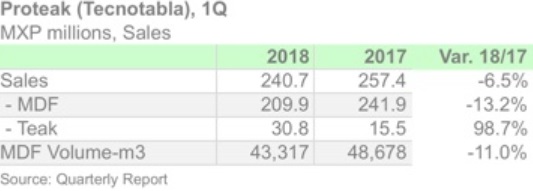
Proteak, a world leader in the production of teak and since 2016 manufacturer of MDF boards under the Tecnotabla brand at its state of the art plant in Tabasco, reported consolidated sales of MXP 265 million in 1Q-2018, 8% below 1Q-2017 sales and explained as an effect of the price pressure in the MDF board market and lower sales volume.

In 1Q-2018 MDF sales totaled MXP 210 million, a 13.2% drop compared to 1Q-2017 sales and 8% over the sales registered in the 4Q-2017. Although sales of Tecnotabla MDF boards are not at the level of 1Q-2017, the company reports that buying recurrence continues to be at 80% and that during the 1Q-2018 prices had an average increase of 5% due to a strategy to stabilize the market price.

During 1Q-2018 sales of MDF to the US market continued to strengthen and reached MXP 19 million, representing 8% of the total quarter sales. Proteak has been developing a strategy of market penetration in the United States which has been proven successful as sales of the Teak división during the quarter were almost twice the ones registered in 1Q-2017.

Meanwhile the local Mexican MDF market continued to develop, with national board production taking a more relevant position over imported boards. Based on Tecnotabla’s analysis, it is estimated that in the first quarter of 2018 imports decreased 30% vs 1Q-2017 and the sale of domestic production surpassed the sale of import MDF boards. Tecnotabla with its new plant has played an important role in this accelerated transformation of the market.

Canada will impose tariffs on US plywood imports

Canada has recently announced it would impose tariffs on plywood and other products imported from the US. 

This comes as a response to US-imposed tariffs of 25% on imports of select steel products and 10% on imports of select aluminum products from Canada, the Decorative Hardwood Association.

Canada responded by imposing surtaxes or similar trade-restrictive countermeasures on approximately C$16.6 billion in imports of steel, aluminum, plywood, and other US products.

Annually, the US exports $83 million of hardwood plywood to Canada and imports $200 million from Canada.

China’s booming demand for France’s oak logs puts French sawmills in jeopardy

China's increased demand for wood has made the oak logs exports from France to boom. Moreover, the larger demand has also made the prices soar.

Commercial timber harvests have been banned in Beijing and the Chinese millennials have developed a taste for high-quality wooden floors and furniture from Europe. Yet, the French higher exports might mean a bust for nearly 550 sawmills in the country.

According to Reuters, French oak producers have traditionally sold oak logs to the mills, which then cut them into lumber for making products ranging from floors and furniture to coffins and wine barrels. But now, private forest owners have started selling logs directly to Chinese buyers because they are ready to pay higher prices and do the processing themselves.

Thus, a lot of sawmills in France have ran out of wood to process and are now struggling to fulfill orders.

The problem is that oak has never been as expensive in France and we, the processors, have never had as little of it,” David Chavot, head of the Margaritelli Fontaines sawmill, said at the mill in eastern France.

On the other hand, sawmills that have a great stock of oak will handle this issue, for the moment, but may encounter problems when trying to refill, because of the higher prices.

Nicolas Douzain-Didier, head of France’s National Forest Association (FNB), explained that smaller sawmills will mostly lose customers and shed jobs. “The most fragile will go under, one after another,” he added.

About 26,000 jobs are directly linked to the oak industry in France, the world’s third largest producer. By late March, about 80% of French sawmills had 30% less stock than they needed to fulfill orders. France has tried to regulate the industry by imposing an “EU label” on logs coming from public forests, meaning they must be processed in the European Union. But French sawmills say there are ways to bypass the EU label system and want a similar label applied to privately owned forests, which account for nearly 80% of wooded areas in France, Reuters reported.

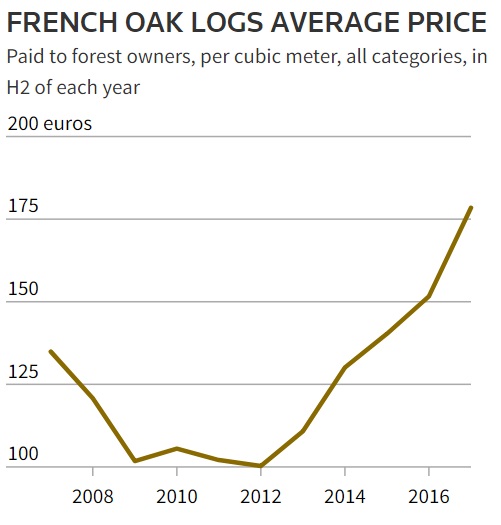
For oak growers, who usually cut trees when they are from 100 to 150 years old, the price rise is a welome rebound after a sharp fall in the late 2000s caused by low demand. 

They (the sawmills) need to live but so do we,” said Antoine d’Amecourt, who led the private forest owners who attended the March meeting with farm minister Stéphane Travert. “Owners prefer the wood to be processed in France but they need to regenerate forests for the next generations,” he said, explaining it made little difference where the oak is processed.

CHINESE MILLENNIALS

According to data from Chinese officials, the country is the world’s largest timber importer and its needs are growing. Thus, as to meet the booming demand, Chinese manufacturers have had to buy oak abroad since commercial timber harvests were banned to protect natural forests after decades of over-cutting.

As reported by Reuters, In Foshan, a furniture trading hub in China’s Guangdong province, traders say demand is propped up by young and affluent people who like European interior design. Almost 90 percent of solid composite wooden floors in China are now made of oak, a sharp rise from the early 2000s, according to Chinese floor-maker Fudeli Flooring.

“At least 70 percent of our customers buying French oak floors are millennials born in the 80s and 90s,” said Chen Deyi, a local dealer for Fudeli Flooring.

Hoping to cash in on the high demand, Hong Kong-based Four Seasons Furniture has launched a French oak furniture collection. A small side table made of French white oak costs 3,680 yuan ($576).

We just recently started promoting French oak furniture inside China. It used to be more export-focused as appreciation for this type of wood was not as robust,” said Candy Zhu, a sales manager at the Louvre exhibition centre.

French oak log exports to China rose 35 percent in the year to January 2018 and now account for 70 percent of all French oak log exports, according to FNB data.

This makes France the second largest supplier of oak logs to China, ahead of Russia and behind the United States. Business is not expected to be affected by the current trade dispute between Washington and Beijing, industry experts say.

Prices for some oak logs have doubled in France since 2009 while the prices of other species, such as beech and pine, have fallen over the same period.

Central/West Africa: Steady demand will translate into better logs & sawnwood prices

Producers in Central and West Africa announced that the stable market situation reported last month is being maintained and they do not anticipate any change in the coming weeks as there is good to strong demand in almost all markets.
Business with China is picking up but as yet there are no reports of price increases. The trend towards increased sawnwood purchases by buyers for the Chinese market continues with sawn okoume particularly being sought after over the two past weeks.
Business with European importers has strengthened following the usual ‘spring surge’ but producers say demand is being capped by the more stringent application of the EUTR, especially in the UK where trade is reported as slow.
In contrast, demand in Middle East countries is good say exporters but, as with China, the firm demand has not yet led to improved prices.
In summary, markets are stable, demand is good, prices unchanged and the trend is for prices moving moderately upwards. Mediterranean rim business seems likely grow in the coming months, subject to solving shipping difficulties.
The latest news that the shipping line MSC will increase the bunker surcharge because of higher oil prices could dampen prospects for early FOB price increases.
Gabon industry awaiting policy direction from new minister
The new Forestry Minister in Gabon has yet to announce plan for the sector. Analysts writes “the frequent ministerial changes make it difficult for the industry to discern what might be government policy and whether or when previously proposed initiatives and regulations might be either scrapped or implemented”.
Millers in Gabon are still hoping that they will be allowed to export the substantial volume of kevazingo that was milled but not shipped before the export ban.
Government commission to investigate port operations in Cameroon
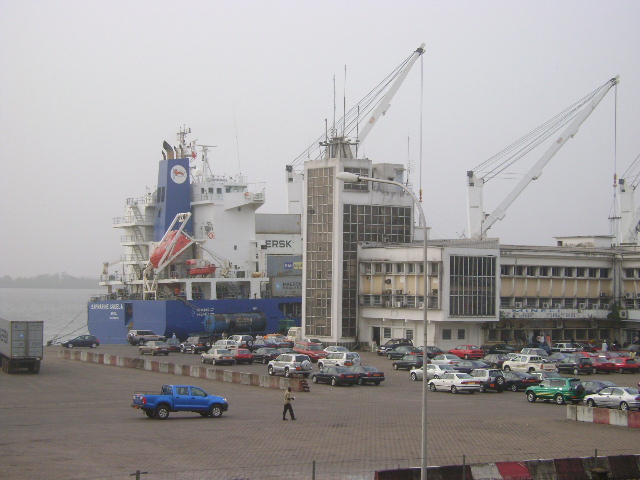
The Cameroon government has appointed a new Commission to investigate the failed operations at Douala Port.
The problems of delays, missed shipment dates and general lack of maintenance have seriously disrupted shipments of wood products for months and this is one of the reasons quoted by Rougier in their Chapter 11 bankruptcy submission.
Rougier is in serious trouble and reports say the company is cutting its foreign and local work force so as to reorganise the company’s sawmills, veneer and plywood operations.
Analysts say the company intends to supply 120,000 cu.m of veneer and sawlogs to OLAM, presumably for the newly established mills in Gabon Special Economic Zones (GSEZs) which have for months been complaining of raw material shortages.
Most timber exporters have now stepped up shipments through the new port of Kribi in which the Chinese government has invested heavily. Media reports say Kribi Port operations will also be reviewed by the new Commission.
Log Export Prices

West Africa logs, FOB € per m³
Asian market
LM
B
BC/C
Acajou/ Khaya/N’Gollon
265
265
170
Ayous/Obéché/Wawa
275
265
180
Azobe & Ekki
275
275
180
Belli
390
390
Bibolo/Dibétou
195
175
Bilinga
260
260
-
Iroko 370
350
270
Okoume (60% CI, 40% CE, 20% CS) (China only) 250 250 190
Moabi 345 340 275
Movingui 230
230
170
Niove
175
160
Okan
245
240
Padouk
340
295
245
Sapele 310 300 245
Sipo/Utile
335
315
245
Tali 405 400

  Sawnwood Export Prices

West Africa sawnwood, FOB
€ per m³
Ayous FAS GMS 425
Bilinga FAS GMS 530
Okoumé FAS GMS
430
Merchantable 320
Std/Btr GMS 350
Sipo FAS GMS
540
FAS fixed sizes 560
FAS scantlings 560
Padouk FAS GMS 900
FAS scantlings 1020
Strips 640
Sapele FAS Spanish sizes 505
FAS scantlings 510
Iroko FAS GMS 630
Scantlings 710
Strips
410
Khaya FAS GMS
480
FAS fixed
480
Maobi FAS GMS
625
Scantlings
630
Movingui FAS GMS
440

Source: ITTO

Central/West Africa: Steady demand will translate into better logs & sawnwood prices

Producers in Central and West Africa announced that the stable market situation reported last month is being maintained and they do not anticipate any change in the coming weeks as there is good to strong demand in almost all markets.

Business with China is picking up but as yet there are no reports of price increases. The trend towards increased sawnwood purchases by buyers for the Chinese market continues with sawn okoume particularly being sought after over the two past weeks.

Business with European importers has strengthened following the usual ‘spring surge’ but producers say demand is being capped by the more stringent application of the EUTR, especially in the UK where trade is reported as slow.

In contrast, demand in Middle East countries is good say exporters but, as with China, the firm demand has not yet led to improved prices.

In summary, markets are stable, demand is good, prices unchanged and the trend is for prices moving moderately upwards. Mediterranean rim business seems likely grow in the coming months, subject to solving shipping difficulties.

The latest news that the shipping line MSC will increase the bunker surcharge because of higher oil prices could dampen prospects for early FOB price increases.

Gabon industry awaiting policy direction from new minister

The new Forestry Minister in Gabon has yet to announce plan for the sector. Analysts writes “the frequent ministerial changes make it difficult for the industry to discern what might be government policy and whether or when previously proposed initiatives and regulations might be either scrapped or implemented”.

Millers in Gabon are still hoping that they will be allowed to export the substantial volume of kevazingo that was milled but not shipped before the export ban.

Government commission to investigate port operations in Cameroon

The Cameroon government has appointed a new Commission to investigate the failed operations at Douala Port.

The problems of delays, missed shipment dates and general lack of maintenance have seriously disrupted shipments of wood products for months and this is one of the reasons quoted by Rougier in their Chapter 11 bankruptcy submission.

Rougier is in serious trouble and reports say the company is cutting its foreign and local work force so as to reorganise the company’s sawmills, veneer and plywood operations.

Analysts say the company intends to supply 120,000 cu.m of veneer and sawlogs to OLAM, presumably for the newly established mills in Gabon Special Economic Zones (GSEZs) which have for months been complaining of raw material shortages.

Most timber exporters have now stepped up shipments through the new port of Kribi in which the Chinese government has invested heavily. Media reports say Kribi Port operations will also be reviewed by the new Commission.

Log Export Prices

West Africa logs, FOB € per m³
Asian market
LM
B
BC/C
Acajou/ Khaya/N’Gollon
265
265
170
Ayous/Obéché/Wawa
275
265
180
Azobe & Ekki
275
275
180
Belli
390
390
Bibolo/Dibétou
195
175
Bilinga
260
260
-
Iroko 370
350
270
Okoume (60% CI, 40% CE, 20% CS) (China only) 250 250 190
Moabi 345 340 275
Movingui 230
230
170
Niove
175
160
Okan
245
240
Padouk
340
295
245
Sapele 310 300 245
Sipo/Utile
335
315
245
Tali 405 400

  Sawnwood Export Prices

West Africa sawnwood, FOB
€ per m³
Ayous FAS GMS 425
Bilinga FAS GMS 530
Okoumé FAS GMS
430
Merchantable 320
Std/Btr GMS 350
Sipo FAS GMS
540
FAS fixed sizes 560
FAS scantlings 560
Padouk FAS GMS 900
FAS scantlings 1020
Strips 640
Sapele FAS Spanish sizes 505
FAS scantlings 510
Iroko FAS GMS 630
Scantlings 710
Strips
410
Khaya FAS GMS
480
FAS fixed
480
Maobi FAS GMS
625
Scantlings
630
Movingui FAS GMS
440

Source: ITTO

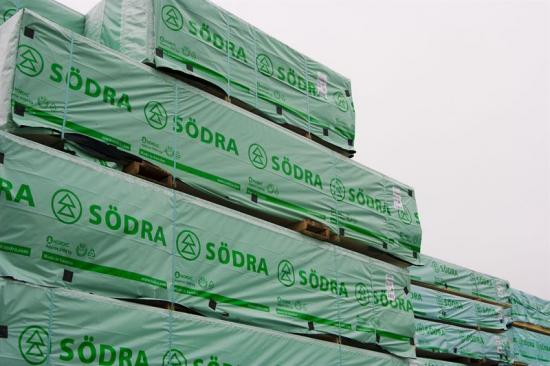
Södra’s interior wood operations will be sold to Sörnsen Holzleisten

Södra announced that the interior wood operations in Kallinge and Umeå will be sold to Sörnsen Holzleisten.

“We have performed a strategic review of the operations and decided to discontinue the interior wood operations. Only Berg & Berg in Kallinge remains after the most recent sale, for which we also intend to find a buyer. This means that Södra discontinues the part of its operations in the interior wood segment,” said Jörgen Lindquist, President of the Södra Wood business area.

Södra has been active in the interior wood segment since 2002. However, market conditions for interior wood products have changed dramatically in recent years. New operators have entered the market and reduced margins, and producers have integrated forwards and also become distributors. Södra has introduced several measures to adjust the production structure in response to the changed conditions.

“Over the past two years, we have made a series of strategic decisions in order to focus on timber products and timber building systems. In light of these decisions, there is no natural position for interior wood in Södra. We therefore believe it will be better to discontinue and sell to operators who can manage and develop the business,” said Jörgen Lindquist.

The focus on construction timber and timber building systems is intensifying. In recent years, Södra has worked diligently to increase the profitability of its sawmill business by optimising flows from raw material to customer, and by reviewing the sawmill structure. The restructuring programme announced in June 2016 included a SEK 400 million investment package for high-priority sawmills.

“The positive results of our measures and investments are clear to see, and we have significantly improved the profitability of our sawmill business. The most recent investment in the sawmill at Långasjö is creating an efficient and modern sawmill that will meet the demand for our sustainable timber products,” said Jörgen Lindquist.

Södra is now the largest supplier of construction timber to the Swedish building trade and also one of the largest suppliers of construction timber in Europe.

Mercer to expand former Klausner sawmill in Friesau; lumber production to reach 1.8 million m3/yr

Mercer International Inc. has determined to proceed with a Phase II expansion and optimization project at its Friesau sawmill in Germany.  

Mercer International currently estimates that capital expenditures will total approximately Euro 37.5 million and that the project will be completed in or about the 2Q 2020. The project is in addition to the Company's previously announced Phase I project at the Friesau facility, involving the installation of a new planer line.

In the course of this, the production capacity for lumber is to be increased by 200 million board feet, equivalent to around 470,000 cbm to a total of 750 million board feet, or around 1.8 million m3. This is to be done by installing two new sorting lines and expanding the existing sorting lines.

David M. Gandossi, President and CEO, stated: "We are pleased to announce this Phase II expansion and optimization at our Friesau facility, which we believe furthers our strategic expansion into lumber production. Based on the estimated cost and timing of the project, we believe this is a high-return project and an excellent opportunity to enhance shareholder value. The expansion of annual production capacity by 200 million board feet is roughly equivalent to the size of a new sawmill in the U.S. South."

Mercer International Inc. is a global forest products company with operations in Germany and Canada.

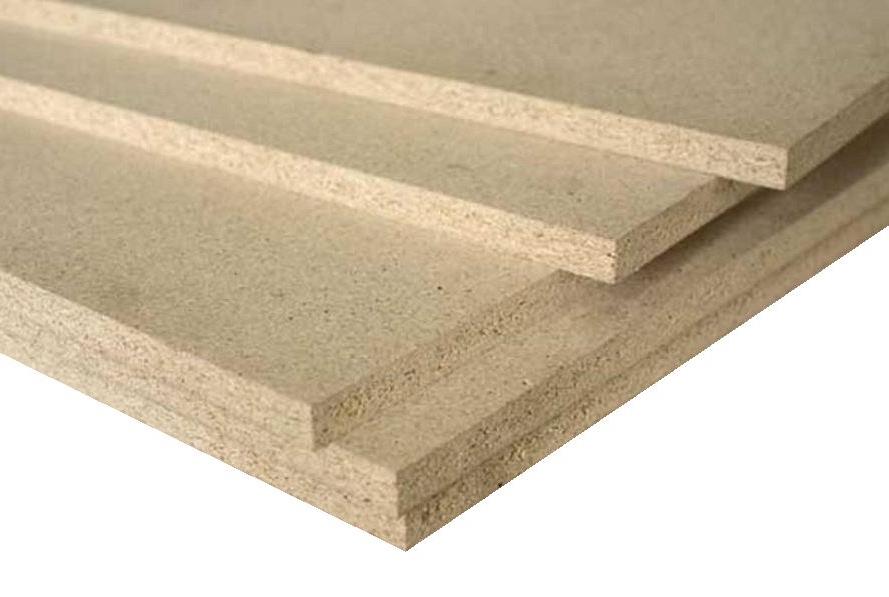
Overview of trends in the U.S. particleboard market

The U.S. particleboard market totalled 22.8M cubic metres in 2017, 4.6M cubic metres (or 17%) less than the outset level. The market value declined sharply between 2007 and 2009, continuing a more mild fall over the next three years. The trend changed in 2013 when the market rose sharply by 14%; over the subsequent years up to 2016, there was a more moderate growth. Despite a five-year steady growth, the market is still in the recovery phase. In wholesale prices, however, the market exceeded the pre-recession level, amounting to $6.4B in 2017.

In 2013, structural panels (especially OSB) prices fell significantly as increased demand for structural wood-based panels was offset by an even larger increase in production. Despite an increase in production, non-structural panel prices were stable due to increased demand for furniture and cabinets. In 2016-2017, particleboard prices stayed at the same level, while OSB prices grew notably.

Market is projected to reach 26.3m cubic meters 

Particleboard can be used for various purposes, depending on the surface treatment applied. Particleboards are used in residential, commercial and industrial practice, mainly in furniture production, construction, interior decorating, and packaging, and also as coatings and wall-cladding. In addition, particle board is ideally suited for painting and varnishing, as well as film- and veneer-type coatings, which makes it suitable for use in furniture and other applications.

The outlook for the U.S. particleboard sector depends heavily on the country's economy, particularly in terms of the housing market. From 2015-2016, the particle board market increased at a robust pace, due to the propitious housing market. The housing market in the United States is predicted to remain strong. About a +4% increase in the national median existing-home price this year is projected by the National Association of Realtors. Furthermore, an approximately +2% growth in sales is expected this year to amount to 5.46 million and a further +4% growth to 5.68 million in 2018. The growth of house sales was mainly due to increasing employment, as well as low mortgage interest rates.

Driven by the growth of housing market, combined with rising furniture production, the particleboard sector as a whole is expected to have an upward consumption trend over the next eight years. Market performance is forecast to grow with an anticipated CAGR of +1.8% from 2017 to 2025, which is projected to lead the market volume to 26.3M cubic metres by the end of 2025.

Production experienced growth over the last five years

U.S. particleboard manufacturing stood at 16.8M cubic metres in 2017. It was equal to $4.8B. Production volume demonstrated a downward trend from 2007, then it turned upward in 2013 with further growth through 2017. In value terms, the trend was generally the same, but less stable due to price changes.

Production is shifting towards a larger OSB production

The particleboard category is an aggregate category. It includes oriented strandboard (OSB), waferboard and flaxboard. In this report, the total volume of production is divided into two categories: particleboard and oriented strandboard (OSB).

OSB accounted for the highest share (75% in 2017) of U.S particle board manufacturing, followed by particleboard (25%). The share of OSB strengthened by +5 percentage points, while particle board saw its share reduced. OSB is widely used in the construction of houses, especially single-family units, which creates a greater demand for this type of products against the background of a steady growth in housing construction.

Approx. 25% of the market was provided by imports from Canada

The share of imports in the U.S. particleboard consumption was at 28% in 2017. Due to high trade intensity, imports should be regarded as strong factors influencing U.S. market dynamics in the medium term. Moreover, the U.S. main trading partner is Canada, whose products covered a quarter of the particle board market in the U.S. Canada supplied mainly OSB products.

Mexico and Canada remain key markets for particleboard exports from the U.S. 

In 2017, U.S. particleboard exports expanded to 334K cubic metres. Over the period under review the export volume indicated mixed trend patterns: a solid growth from 2010 to 2014 turned into a pronounced decline through next three years.

In 2017, Mexico (51%) and Canada (41%) were the main destinations for particleboard exports from the U.S., together comprising 92% of the total number. From 2007 to 2017, average annual growth rates of particleboard exports to Mexico stood at +4.4%. By contrast, Canada’s share decreased by -2.6% per year, over the period under review.

The share of Mexico in terms of the total exports increased significantly, from 25% in 2007 to 51% in 2017; at the same time, the share of Canada remained relatively stable throughout the analysed period.

Canada emerged as the major supplier of particleboard to the U.S. 

From 2007 to 2017, U.S. particleboard exports decreased by -0.9% per year, amounting to 6,074K cubic metres in 2017. In value terms, they grew to $1,785M in 2017, which was $228M (or +15%) more than the year before.

In 2017, Canada (5,816K cubic metres) was the main supplier of particleboard, making up to 96% of U.S. imports in physical terms. From 2007 to 2017, Canada showed a negative trend pattern, falling by -1.1% per year throughout the analysed period. In addition, the share of Canada decreased from 97.3% in 2007 to 95.8% in 2017. Nevertheless, Canada remains the largest and the main supplier of particle board to the U.S.

Cameroonian government commission to investigate Douala port operations

The Cameroon government has appointed a new Commission to investigate the failed operations at Douala Port.

The problems of delays, missed shipment dates and general lack of maintenance have seriously disrupted shipments of wood products for months and this is one of the reasons quoted by Rougier in their Chapter 11 bankruptcy submission.

Rougier is in serious trouble and reports say the company is cutting its foreign and local work force so as to reorganise the company’s sawmills, veneer and plywood operations.

Analysts say the company intends to supply 120,000 cu.m of veneer and sawlogs to OLAM, presumably for the newly established mills in Gabon Special Economic Zones (GSEZs) which have for months been complaining of raw material shortages.

Most timber exporters have now stepped up shipments through the new port of Kribi in which the Chinese government has invested heavily. Media reports say Kribi Port operations will also be reviewed by the new Commission.

Canfor invests $40 million in upgrading South US sawmill

Canfor Southern Pine, a leading integrated forest products company, has announced it will upgrade its existing sawmill near Camden in Kershaw County. The company is projected to invest $40 million in the project.

“We appreciate the commitment of both the state and local governments. Their partnership was critical in the decision process of the board as they move forward with the $40 million capital investment,” Canfor Southern Pine President Fred Stimpson said.

“South Carolina’s pro-business environment and abundance of natural resources make it a perfect fit for a firm like Canfor Southern Pine,” Gov. Henry McMaster said. “I congratulate the company leadership on this exciting new investment and thank them for their continued commitment to our state.”

The company’s Camden facility has been in operation since 1983 and manufactures dimension lumber. To accommodate its continued growth, Canfor will be installing a new planer mill, as well as new equipment throughout the sawmilling operation to address critical areas that limit production capacity. The expansion will begin this year and is expected to be completed in the fourth quarter of 2019.

“The Camden facility has always been one of our top-performing mills,” Canfor Southern Pine Vice President of U.S. Operations (East) Keith McGregor said. “This $40 million capital investment will increase capacity by 50 percent, making it our highest-producing facility in the Southern U.S. The project will also further enhance our first quartile performance in safety and quality. With this major investment, the Camden plant will continue to be a stable and significant employer in this region, paying good wages and benefits to our valuable employees.”

Canfor Southern Pine, a leading manufacturer of high-quality Southern yellow pine lumber, operates 14 manufacturing locations in the Southern U.S. In addition to its Camden facility, the company has operations in Conway, Darlington and Marion, with corporate offices in Myrtle Beach. Canfor currently employs approximately 650 people throughout South Carolina.

Finnish roundwood prices on the rise in March 2018

Roundwood prices in Finland have increased in March 2018, as compared to the same month last year. The same increase can be noticed when compared to the prices in February 2018.
In March, pine sawlogs could be bought for EUR 57.62/m3, a 5.95% increase over the corresponding month of last year. The price for spruce went up by 7.78%, to EUR 61.16/m3, while birch could be bought for EUR 44.13/m3, 4.99% more than in March 2017.
Also, the prices for the pulpwood assortments increased. The price for pine went up by 3.36%, to EUR 16.6/m3, while spruce and birch could be bought for EUR 18.64/m3 and EUR 16.08/m3.

March 2017 February 2018 March 2018 Change in % March 2017/March 2018
Sawlogs
Pine 54.38 56.72 57.62 +5.95%
Spruce 56.74 60.29 61.16 +7.78%
Birch 42.03 43.45 44.13 +4.99
Pulpwood
Pine 16.06 16.31 16.6 +3.36
Spruce 17.71 18.31 18.64 +5.52
Birch 15.33 15.92 16.08 +4.89

IKEA announces expansion in South America

On May 17th S.A.C.I. Falabella and Inter IKEA Systems B.V., owner of the IKEA Concept and international franchisor of IKEA, signed a memorandum of understanding for the granting of franchise rights in Chile, Colombia and Peru to S.A.C.I. Falabella.

The objective is to open at least nine stores in Chile, Colombia and Peru in a period of 10 years, along with online sales channels for these three countries. It is expected that the first store will open in the city of Santiago at the end of 2020, to continue later with openings in Lima and Bogotá.

We are of course very excited to bring IKEA to South America together with Falabella, who is a strong local partner with a lot of experience in developing and successfully operating retail businesses. They also have a well-developed distribution network in the region, which will give us the speed we need to be more accessible to the many. Together we’ll work to make IKEA a loved and meaningful brand for the people in Chile, Colombia and Peru,” says Torbjörn Lööf, CEO Inter IKEA Group.

We will bring to the three countries the full experience of IKEA, with stores and online sales such as those already existing in Europe, the United States and Asia. IKEA will complement the current offer of products and services of our home improvement subsidiary Sodimac. As has happened in other countries, we want IKEA to become one of the favorite brands of Chileans, Peruvians and Colombians," says Sandro Solari, CEO of S.A.C.I. Falabella.

In America IKEA is active in Canada with 13 stores, in the USA with 47 stores, and in the Dominican Republic with one store. In Mexico Inter IKEA Systems B.V. granted the Ikano Group exclusive rights to explore expansion opportunities in the country. The Ikano Group has a long and proud association with the IKEA brand, and has a strong record in successfully operating IKEA stores in Singapore, Malaysia and Thailand. Ikano opened an office in Mexico City in April 2017.

Today IKEA reaches 1.2 billion customers. By 2025 IKEA aims to reach 3.2 billion customers in stores and online. There are currently 418 stores in 49 markets, and IKEA is constantly investigating expansion opportunities with the aim to reach more of the many people. IKEA expansion focuses on both existing and new markets.

S.A.C.I. Falabella is a Chile based multinational company and one of the largest retail companies in South America. It operates in several business areas, the main ones being department stores, home improvement, supermarkets, financial services (bank, credit cards, insurance) and shopping malls.


Newsletter

Subscribe to our digital newsletter for your daily digest of essential news, views and analysis from the international wood industry delivered directly to your inbox.


0