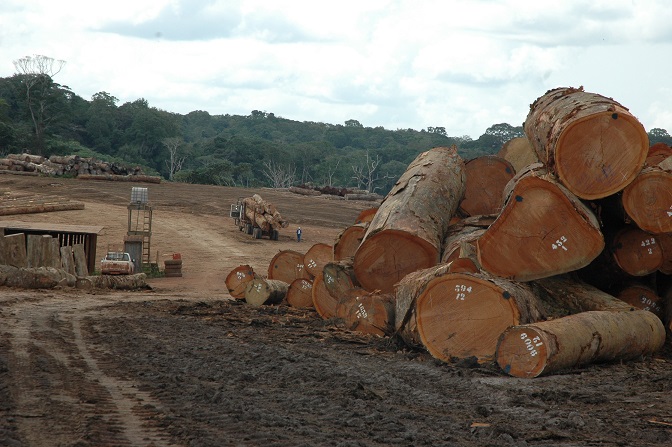
The sawmilling industry in Brazil accounts for the highest number of companies in the wood based industry sector and production capacity per enterprise ranges from the large sawmills with an installed capacity of around 250,000 cubic metres output per year to small mills which produce less than 5,000 cu.m of sawnwood per year.
There was a sharp slowdown in national sawnwood production in 2006, well-above the declines seen in other sectors. Most of the decline in output was due to falls in production from Amazon based mills.
In the period 2004-2005 there was a peak in sawnwood exports due to firm demand in international markets and the favourable exchange rate.
The latest data is indicating that productivity in the sawmilling sector (as measured by production vs. worker nubers) has increased gradually since 2015 which indicates those companies still operating are more competitive through optimising their production capacity.
It has been estimated that by the end of 2017 Brazil’s production of sawnwood could be 3% higher than in 2015. Although modest, this represents marked change for a sector that has lagged behind in terms of raising productivity and competitiveness.