
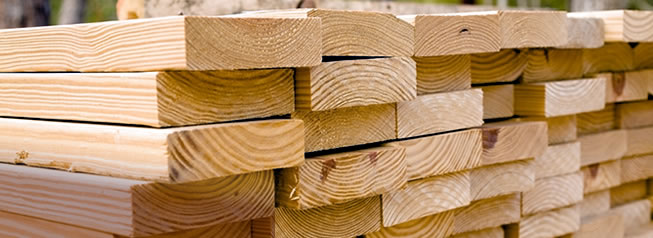
The decline of lumber prices in Canada is, most likely, over. Even if prices won’t rebound to this year’s highs, the market is close to its bottom.
According to Resolute Forest Products Inc. chief executive officer Yves Laflamme, lumber prices have fallen 50% from the May records, while the lumber futures tumbled to a 28-month low. This situation caused Interfor Corp. to announce plans to reduce output by 20% at its British Columbia sawmills.
Moreover, Canfor Corp. on Thursday said it will to cut production 10% in British Columbia in the fourth quarter.
At the moment, Resolute reduced shifts at some mills in Thunder Bay, Ontario, and Quebec to adjust log inventory. Also, the company will pay about $88 million in import duties to the U.S. by the end of the year, and neither side appears to have “any interest” in a deal, Laflamme added.
Earlier this year, the tight supplies, trade disputes and transport bottlenecks sent lumber futures higher. This caused the the outlook for U.S. housing to start and trail some expectation.
Yet, the results for the fourth quarter of 2018 won't be that good, given the persistent dispute between Canada and the U.S. over softwood lumber.
Article archive
Germany: KVH prices falling; hardwood more expensive
The German wood products price index registered some mixed developments in September. Except lumber and reserve square timber, all sawn timber assortments lost ground compared to August.
The sharpest decline was recorded in KVH price, which had declined both as compared to August, as well as compared to September 2017.
A positive price trend can be noticed in the hardwood area. In particular, hardwood lumber and beech frames were up considerably.
In wood materials, raw particle boards price increased slightly over August, and almost 15% against September 2017. The price of laminated particle boards also surged and managed to offset the August decline. Pellets again show an upward trend, however, chips still remain at a low level.
| Germany's Producer Price Index Commercial Products (2000=100) |
Sep. 2017 |
Aug. 2018 |
Sep. 2018 |
Change Sep. '17 to '18 |
| Spruce and Fir lumber (Picea abies Karst.) | 114.2 | 116.4 | 116.1 | 1,66% |
| Lumber according to DIN 4074/S10 | 117.5 | 116.6 | 117.2 | -0,26% |
| Finger-jointed squares and beams (KVH) | 107.6 | 104.4 | 103.1 | -4,18% |
| Boards, width over 16 cm | 116.1 | 122.6 | 122.0 | 5,08% |
| Boards, width from 8 to 16 cm, size from 15 to 24 mm | 113.9 | 110.6 | 110.4 | -3,07% |
| Roof battens according to DIN 4074/S10 | 115.2 | 121.7 | 121.4 | 5,38% |
| Reserve squared timber, A/B, 10X10 - 12X12 | 113.1 | 114.2 | 114.6 | 1,33% |
| Softwood, size>6mm, planed, sanded, finger-jointed | 114.7 | 112.4 | 112.4 | -2,01% |
| Wood chips from softwood | 112.8 | 96.4 | 96.3 | -14,63% |
| Pellets and Briquets, compressed | 129.7 | 117.5 | 118.6 | -8,56% |
| Hardwood lumber | 106.6 | 108.9 | 110.1 | 3,28% |
| Beech blocks, A/B, size 50-60 mm, length 3m, damped | 104.2 | 102.3 | 102.6 | -1,54% |
| Beech frames, size 26-32 mm, length 3m, undamped | 106.9 | 109.6 | 110.9 | 3,74% |
| Particle boards, raw or sanded | 102.4 | 117.1 | 117.4 | 14,65% |
| Particle boards, laminated with decor | 114.4 | 113.9 | 115.2 | 0,70% |
| HDF panels, size > 800 kg/m³, raw/sanded | 111.3 | 112.1 | 111.9 | 0,54% |
| Laminate floorings, density > 800 kg/m³ | 110.2 | 109.1 | 109.2 | -0,91% |
Booming European softwood logs exports to China
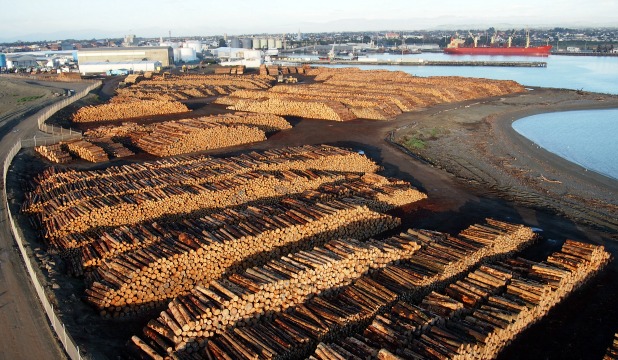
Due to a massive boost of exports from France, total European softwood logs deliveries to China have outpaced those of softwood lumber (in volume terms) in the first 9 months of 2018.
According to the latest Eurostat figures, in January-September 2018, EU's softwood logs exports to China increased more than 4 times over the same period of 2017.
France has exported most of the total European volume, with a share of 82% of all European exports (and a 2,444% increase yoy), followed by Poland and the Czech Republic.
Softwood lumber exports declined by -25% in the same period after many years of continuous growth. Finland, Sweden and Germany accounted for 84% of the overall EU exports. Year-on-year, Finnish exports dropped by -36% while Swedish softwood lumber shipments to China declined by -18%.
EU softwood logs exported to China from... (in cbm )
| Exporting Country | Jan.-Sept. 2017 | Jan.-Sept. 2018 | Change in % | |||
|
347,026 | 1,611,534 | 364 % | |||
|
43,209 | 1,099,260 | 2,444 % | |||
|
17,380 | 154,830 | 791 % | |||
|
6,297 | 68,268 | 984 % | |||
|
66,775 | 67,271 | 1 % | |||
|
74,270 | 55,056 | -26 % | |||
|
139,095 | 166,849 | 20 % | |||
| TOTAL | 347,026 | 1,611,534 | 364 % |
The statistics are based on the numbers published by Eurostat. The product Softwood logs consists of following HS Codes: 44032.
Norbord reports rising EBITDA on higher European panel prices and N. American shipment volumes
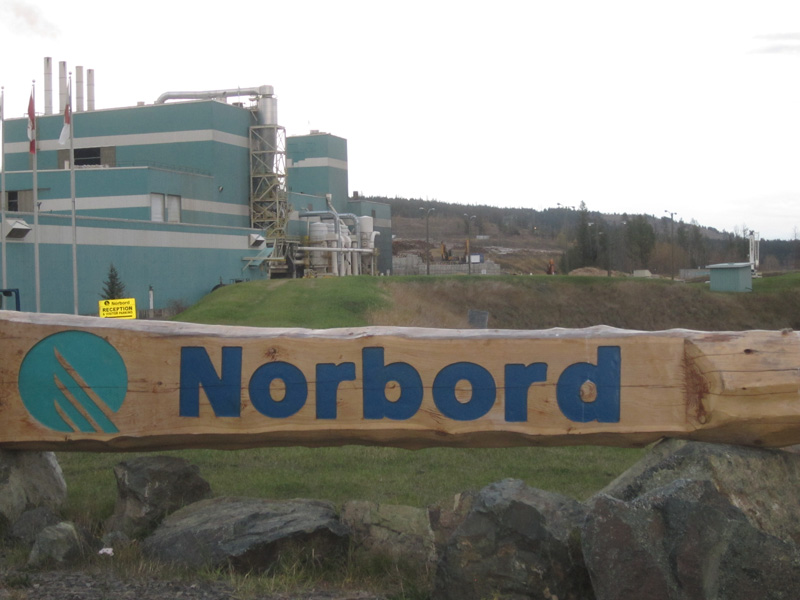
Norbord Inc. reported Adjusted EBITDA of $211 million for the 3Q 2018 versus $200 million in the 3Q 2017 and $273 million in the 2Q 2018. The year-over-year improvement is primarily due to higher European panel prices and North American shipment volumes, while the quarter-over-quarter decrease is due to lower North American oriented strand board (OSB) prices.
North American operations generated Adjusted EBITDA of $190 million compared to $184 million in the same quarter last year and $256 million in the prior quarter. European operations delivered Adjusted EBITDA of $23 million versus $14 million in same quarter last year and $21 million in the prior quarter.
“Our 3Q results reflect another excellent quarter for Norbord,” said Peter Wijnbergen, Norbord’s President and CEO. “We generated $211 million in Adjusted EBITDA, a 6% improvement over this time last year as North American OSB demand remained strong during the summer homebuilding season. Our European business had another outstanding quarter, delivering $23 million of Adjusted EBITDA as robust demand growth in our key markets supported strong prices.”
Norbord recorded Adjusted earnings of $123 million or $1.41 per diluted share ($1.42 per basic share) in the 3Q 2018 versus $121 million or $1.39 per diluted share ($1.40 per basic share) in the 3Q 2017 and $167 million or $1.92 per diluted share ($1.93 per basic share) in the 2Q 2018.
Norbord Inc. is a leading global manufacturer of wood-based panels and the world’s largest producer of oriented strand board (OSB). In addition to OSB, Norbord manufactures particleboard, medium density fibreboard and related value-added products.
US lumber prices rise slightly after weeks of decrease
Trading in framing lumber picked up, and firming prices sent signals that a bottom had been found. Not all traders were fully convinced, especially after a recent false start, but even skeptics did some fill-in buying after weeks of cautious and limited purchasing. Concern about the labor situation in British Columbia and reports of volume sold offshore drew in short covering Wednesday, with cautious long position-taking thereafter. The Random Lengths Framing Lumber Composite Price fell $9 for the week, but with $8 of that loss coming at midweek.
| This Week Nov 2 |
Last Week Oct 26 |
Year Ago 2017 |
|
| Random Lengths Framing Lumber Composite Price* | $337 | $346 | $431 |
| KD Western S-P-F #2&Btr 2x4 R/L Mill Price | 312 | 298 | 467 |
| KD Eastern S-P-F #1&2 2x4 R/L, delivered Great Lakes | 387 | 395 | 559 |
| Green Douglas Fir Std&Btr 2x4 R/L (Portland) | 280 | 285 | 457 |
| Southern Pine (Westside) #2 2x4 R/L | 417 | 437 | 405 |
| KD Coast Hem-Fir #2&Btr 2x4 R/L | 305 | 310 | 475 |
| Ponderosa Pine (Inland) #2&Btr 1x12 R/L | 775 | 775 | 725 |
| * Weighted average of 15 key items | |||
Random Lengths Panel Market Report
Structural panel sales gained momentum as the week progressed, and the more active pace helped producers ease the recent downward slide in prices. OSB sales accelerated in the second half of the week, although it didn’t always allow producers to raise quotes. Prices finished mixed across North America. Steady sales of Southern Pine rated sheathing halted the deep price cuts that were routine last month. Western Fir plywood traders noted an improved tone, with more inquiries and sales.
| (f.o.b. mill prices) | This Week Nov 2 |
Last Week Oct 26 |
Year Ago 2017 |
| Random Lengths Structural Panel Composite Price* | $387 | $391 | $509 |
| Southern (west-east) 15/32-inch 3-ply rated sheathing plywood | 360-390 | 370-405 | 475-520 |
| Southern (west-east) 15/32-inch 4-ply rated sheathing plywood | 365-395 | 375-410 | 480-525 |
| Western 1/2-inch 4-ply rated sheathing plywood | 365 | 370 | 482 |
| North Central 7/16-inch Oriented Strand Board | 245 | 250 | 440 |
| *Weighted average of 11 key items | |||
STTC considers share of certified tropical wood in European market

The EU’s Sustainable Tropical Timber Coalition held its annual conference in Paris on 26 September. The conference highlighted the ongoing work to promote tropical timber in Europe by STTC participants and raised questions about the role of targets for procurement of “certified sustainable” products that are central to STTC activities.
Over 55 Europe-based organisations are involved in the STTC, grouped in various categories according to their type and level of involvement as Partners, Participants and Supporters. All STTC participants are invited to “draft an Action Plan for activities that will increase market share of sustainably sourced timber from tropical forests”.
The underlying idea behind STTC is summarised on the organisations’ website: “The alliance of public and private sector and NGO backers behind the STTC is concerned that EU tropical sector’s shrinkage could on one hand ultimately deprive specifiers, end users and consumers of a technically high performance, diverse construction and manufacturing material. Critically, it could also disincentivise tropical suppliers from introducing sustainable forest management”.
The focus of the Paris Conference, attended by around 80 representatives of trade, NGOs and government, was on the “use of data to drive market share”. The question of market data was interpreted quite narrowly, focusing on the question of how to assess the share of certified and legally verified wood in total EU imports of tropical wood.
The share of tropical timber relative to other timber products and commodities was not addressed.
This focus was closely linked to the STTC Roadmap developed through consultation with STTC participants and which built on discussions at the previous 2017 annual conference in Aarhus.
At that meeting, the IDH, an organisation supported by the Dutch government to encourage sustainable trade in several commodities, announced extension of its financial support for STTC to 2020.
STTC has established a 2020 target “to increase European sustainably sourced tropical timber sales to 50% above 2013 levels”. To monitor progress, the IDH Roadmap supports publication of three annual report (2018, 2019, 2020) that on a European level will “make data available on market share of sustainable tropical timber, per country and per sector”.
A key source document to the STTC conference was the STTC report prepared by Probos, a Dutch consultancy and published in June this year which estimates the “current market share of verified sustainable tropical timber”. The key finding of this report was that an estimated 30% of primary tropical timber products placed on the EU market in 2016 met the STTC definition of “verified sustainable”.
While the STTC report does not explicitly define “verified sustainable”, the measure of “share” is based on best available information on the quantity of FSC and PEFC certified timber placed on the European market relative to uncertified wood. This definition of “sustainable timber” aligns with government procurement policy in the Netherlands and Germany and which has been adopted in trade association codes in several European countries.
The STTC report also comments on the role of FLEGT licensing in relation to certification: “while not necessarily considered evidence of sustainability, FLEGT licensing is widely recognized as an important tool for promoting sustainable forest management. Most stakeholders in the sector would agree that a combination of certified operators and a FLEGT-based legal system provides the best assurance for sustainable forest management”.
The report also makes clear that the 30% estimate of EU certified wood in total tropical imports is only preliminary. The report notes that for the period when the report was prepared, survey data covering a large proportion of importers was only available in a limited number of European countries including Belgium, the Netherlands, Spain and the UK.
According to the report, the estimated share of certified in total tropical primary product imports (logs, sawnwood, veneer and plywood) varied widely between European countries.
A relatively high share is reported for the Netherlands (63%) and the UK (49%), but this falls to 20% in Germany, 12% in both Belgium and France, 5% in Italy and 4% in Spain. There was no data for the other two countries included in the survey, Denmark and Norway.
Canfor curtails sawmill operations in BC; reduces production by 10%

Canfor Corporation will be curtailing sawmill operations in British Columbia (BC) during Q4 2018 due to log supply constraints, log costs and current market conditions, company said in a statement.
The curtailment is expected to reduce Canfor’s BC production output by approximately 10% throughout the quarter.
“We have made the difficult decision to curtail our BC sawmill operations over the fourth quarter due to log supply challenges following another difficult wildfire season, uncompetitive log costs and declining lumber prices,” said Don Kayne, President and Chief Executive Officer. “We are working to mitigate impacts on our employees as much as possible.”
Lumber production will be reduced over the quarter through a decrease in operating days. This will be achieved through immediate short-term curtailments at some facilities, along with extended downtime at Christmas. Canfor has 13 sawmills in Canada, with total annual capacity of approximately 3.8 billion board feet.
Austria: Softwood lumber prices below last year

In October, prices for softwood lumber in Austria moved slightly below the previous year. A more pronounced downward trend was registered in boards assortments.
Other products fluctuate around the previous year's prices. Edged and rough boards even show a minimal upward trend.
Compared with September, prices have remained largely stable, with only small variations of one euro up or down.
| Softwood Lumber Spruce/Fir | Oct. 2017 | Sep. 2018 | Oct. 2018 | Change Oct. '17 to'18 € / cbm EXW |
| Edged Boards, 0-IIIa, 23 mm + | 242 - 252 | 242-253 | 242 - 253 | -/+1 |
| Rough boards in fixed dimensions, 18-22 mm | 239 - 250 | 239-249 | 240 - 250 | -1/- |
| Squared timber, standard dimensions, I/II, 4-6 m | 220 - 227 | 222-228 | 221 - 227 | +1/- |
| Stock squared timber, II/III | 165-171 | 164-172 | 164 - 171 | -1/- |
| Boards, III-IV, 8-16 cm, 4-6 m | 157-164 | 155-161 | 155 - 162 | -2/-2 |
| Boards, III-IV, 8-16 cm, just 4 m | 159-166 | 157-163 | 157 - 163 | -2/-3 |
| Boards, III/IV, 23 mm, 4-6 m | 159-167 | 157-164 | 157 - 164 | -2/-3 |
| Boards, III/IV, 28 mm +, 3-6 m | 167-175 | 168-176 | 168 - 176 | -1/+1 |
China: 2.5 billion m3 of stocking volume in planted forests

According to the eighth national inventory of forest resources, the area of national plantation was 69.33 million hectares accounting for 36% of the forest land area in China.
The stocking volume of these plantations was 2.483 billion cubic metres, or 17% of China's forest standing volume.
Between 2009 and 2013 the average annual harvest volume from China's plantations was 155 million cubic metres. The harvest volume from plantations accounted for 46% of the total harvest, up by 7% on the period of the seventh national inventory.
‘Plantations - a way to achieve green development’ – international congress
The 4th International Congress on Planted Forests (ICPF) was held in Beijing from 23 to 25 October 2018. This is the first time for the ICPF to be held in an Asian country.
The theme of the conference was "Plantations - a way to achieve green development", with 4 topics: genetic resources and breeding, multi-objective management of plantations, timber, fibre and non-wood forest products, forest policies and social economics related to plantations.
The Congress aimed to investigate the contribution of planted forests to green development in the context of global challenges.
Topics included the sustainability of planted forests in the context of changing climates and the future role of planted forests in bio-resources sustainability, environmental protection and green development.
European softwood lumber exports to China fall by 25%
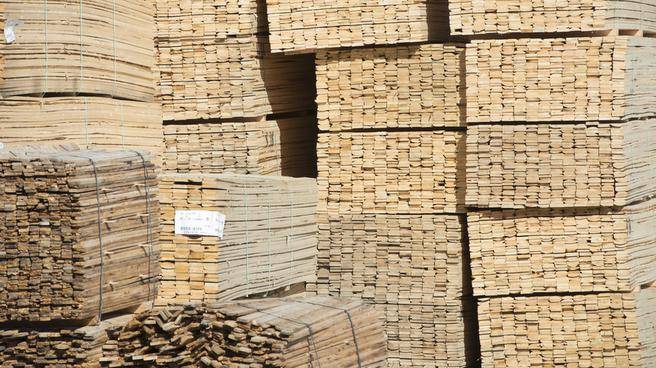
The European softwood lumber exports to China have decreased significantly during January-August 2018, as compared to the same period last year.
In volume, the shipments went down by -24%, reaching a volume of 1,547,702 m3, as compared to the 2,028,616 m3 exported during Jan.-Aug. 2017.
Finland was the biggest exporter, even if the shipments to China went -36% down, to 695,095 m3. Sweden and Netherlands came in second and third place, sending 438,430 m3 and 106,724 m3 of softwood lumber to China during the mentioned period.
Softwood lumber exported to China from... (in cbm )
| Exporting Country | Jan.-Aug. 2017 | Jan.-Aug. 2018 | Change in % | |||
|
2,028,060 | 1,547,315 | -24 % | |||
|
1,083,008 | 695,095 | -36 % | |||
|
537,809 | 438,430 | -18 % | |||
|
45,120 | 106,724 | 137 % | |||
|
108,064 | 67,891 | -37 % | |||
|
5,548 | 66,966 | 1,107 % | |||
|
248,511 | 172,209 | -31 % | |||
|
556 | 387 | -30 % | |||
|
556 | 387 | -30 % | |||
| TOTAL | 2,028,616 | 1,547,702 | -24 % |
Global pulp industry experiencing drop in prices
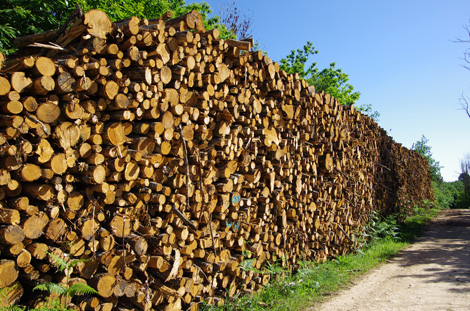
In the 2Q/18, global fiber prices indices dropped for the first time in five quarters, mainly because of the strengthening of the US dollar against other currencies.
The 2Q/18 Global Softwood Fiber Price Index (SFPI) decreased slightly from the 1Q/18 but was still 7.8% higher than in the same quarter in 2017. Quarter-over-Quarter, softwood fiber prices fell the most in Brazil, Russia, Sweden and New Zealand.
Prices for pine pulplogs in Brazil have been stable in Brazilian Real terms over the past year, holding steady at record high levels following a three-year period of rising prices. Due to the recent weakening of Brazilian currency, wood fiber costs in US dollar terms have declined by 10% from the 2Q/17 to the 2Q/18, and the Brazilian pulp industry now has some of the lowest production costs in the world thanks to very low wood fiber costs, according to the Wood Resource Quarterly (WRQ).
In Sweden, one of the largest consumers of softwood pulplogs in the world, the pulp industry also enjoyed lower wood fiber costs in the 2Q/18, with average pulplogs prices being down 11% in the local currency (12% down in US dollars) from the 2Q/17. Sweden is still one a high cost producer of softwood pulp.
Lower prices of hardwood logs in Brazil, Russia, Sweden, Australia and Spain, together with price increases in Indonesia, US Northwest, Japan and Chile, resulted in a slight decline in the Global Hardwood Fiber Price Index (HFPI) in the 2Q/18 as compared to the previous quarter.
In Indonesia, wood costs have trended upward for about two years, reaching their second highest level on record in the 2Q/18. From the 2Q/16 to the 2Q/18, the average hardwood pulplog price increased by 28% for pulpwood traded in the open market (a fairly small share of the total wood fiber consumption in Indonesia). During this period, the country’s pulp manufacturers have seen the average open market pulpwood price shift from being among the lowest in the world to one of the highest. Tight fiber supply, expansion of pulp capacity and a conversion from mixed tropical hardwood to plantation wood are factors that have pushed prices to new highs.
Brazilian wood-based products on the rise in September

In September 2018 Brazilian exports of wood-based products (except pulp and paper) increased 8.4% in value compared to September 2017, from US$248.3 million to US$269.1 million.
The value of pine sawnwood exports increased 20% between September 2017 (US$41.9 million) and September 2018 (US$50.4 million) and the volume of exports increased 17% over the same period (202,500 cu.m to 237,700 cu.m).
Tropical sawnwood exports also increased rising 31% year on year from 42,500 cu.m in September 2017 to 55,700 cu.m in September 2018. In terms of value, exports increased 21% from US$19.5 million to US$23.5 million over the same period.
September pine plywood exports increased 31% in value year on year from US$48.7 million to US$63.6 million. Export volumes also increased, rising 13% over the same period, from 165,900 cu.m to 188,200 cu.m.
In contrast, tropical plywood exports declined 28% in volume, from 16,300 cu.m (US$6.3 million) in September 2017 to 11,700 cu.m (US$5.5 million) in September 2018. Brazil’s wooden furniture exports continue to do well and in September 2018 totalled US$44 million compared to US$40 million in September 2017 a 10% rise.
SCA Wood inaugurates a new planing mill
SCA Wood inaugurated a new planing mill at its Tunadal location October 31, 2018. The investment accounted for SEK 80 million (around USD 8.8 million) means increased productivity and better prerequisites for product development and innovations.
According to the announcement, the new planing mill comes with a lot of benefits, with new raw material intake, new splitting line and new packaging line our productivity increases and with the new technology, the pace of the product development and innovations also increases.
Joakim Nehrer, Sales- and marketing director Scandinavia at SCA Wood, commented: “With this investment we can meet our customers needs and offer them more competitive products.”
Today, cladding, studs and roofpanels are produced, all made of spruce from the northern Sweden, at the planning mill at Tunadal. From now on cladding will be one of the main products.
Swedish roundwood prices at lowest level in 20 years
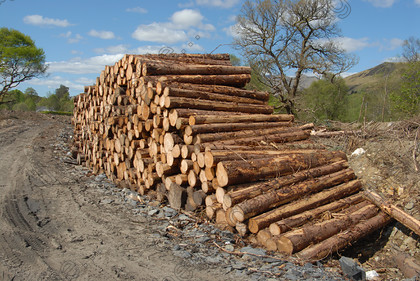
The delivery prices on sawlog and pulpwood prices in Sweden rose by 5.5 percent and 3.4 percent respectively in the third quarter, compared to the second quarter of 2018.
The prices are increasing in all of Sweden. The price of sawlog increased the most in the region Central with 8,4 percent, while prices rose by 7.5 percent in the region South and by 2.6 percent in the region North.
The pulpwood prices rose most in the region South by 7.5 percent, 3.4 percent in the region North and by 2.5 percent in the region Central.
In comparison to the third quarter of 2017 the prices on sawlog have increased by 11,3 percent while the prices on pulpwood have increased by 15,6 percent. The single largest price increase is 19.6 percent, on pulpwood of pine in the region South.
The delivery price statistics are also based on sold volumes, that are used for the volume weighted average delivery price. These volumes have dropped by 17 percent in comparison to the third quarter of 2017. This is the lowest volume for the third quarter that the Swedish Forest Agency has quarterly statistics for, a time series that began in 1999.
FLEGT-VPA to boost Vietnamese timber products exports to the EU market

The signing of the Forest Law Enforcement, Governance and Trade Voluntary Partnership Agreement (FLEGT-VPA) between Vietnam and the European Union is expected to have a positive impact on the country’s economy and environment.
Phạm Văn Điển, deputy director general of the Vietnam Administration of Forestry spoke on the agreement’s implementation in an online dialogue that also addressed challenges and opportunities for the forestry industry. The session was held by the Ministry of Agriculture and Rural Development and Nông thôn Ngày nay (Countryside Today) newspaper in Hà Nội on Wednesday.
Điển said the agreement set the stage for Vietnam to join the global timber market, and that the signing was a recognition of Vietnam’s commitment to implementing international conventions.
“Joining this agreement, we have been more professional, open and transparent in line with international standards,” said Điển. “This is the key factor in the value of the wood industry moving forward.”
“We have the opportunity to apply advanced technologies in the processing industry, creating more eye-catching and valuable wood products,” he said. “For example, normal wood products cost US$1,400-$1,800 per square metre, but it will be up to $4,000 if we apply these technologies.”
Điển said the industry would have to perfect the legal system and collect both local and foreign ideas in a mutually beneficial manner. Each locality needed the support of farmers to promote afforestation and sustainable production.
The agreement was signed in Brussels on the sidelines of the 12th Asia-Europe Meeting Summit on October 19. It covers all timber exports to the EU, with five specific products defined in the FLEGT Regulation of 2015 – logs, sawn timber, railway sleepers, plywood and veneer – as well as a number of other products such as woodchips, parquet flooring, particle boards and wooden furniture.
The core of the deal is the Vietnam Timber Legality Assurance System (VNTLAS), which ensures that wood and timber products exported from Việt Nam to the EU have legal origins.
Vietnam is hoping to become a hub of manufacturing and trade of branded timber products in the next 10 years, aiming for an export value of $10-18 billion by 2025.
To reach this target, there is much work to be done.
According to Vice Chairman and General Secretary of Vietnam Timber and Forest Product Association (VIFORES) Nguyễn Tôn Quyền, EU is considered a very important market for Vietnamese timber products. FLEGT-VPA will help Vietnam export directly to 28 European countries without having to go through intermediary countries.
Quyền said the market would grow. In a few years, wood export value to the EU would grow from $700 million today to more than $1 billion.
“More importantly, the agreement will help Việt Nam improve its institutional arrangements for forest management, addressing illegal exploitation and trade and contributing to the sustainable development of the wood processing industry,” said Quyền.
Quyền said that under the agreement, timber exported to the EU must be legal. Although enterprises use domestic raw materials or imported timber, they still had to provide documents to prove the legality of their timber.
In addition to these benefits, the agreement also details Vietnam’s obligations.
Nguyễn Tường Vân, Deputy Director of the Vietnam Administration of Forestry’s Department of Science, Technology and International Cooperation, said the agreement required Vietnam to amend and supplement some legal documents.
“The agreement also requires people and enterprises participating in the supply chain to implement self-declaration and self-assessment and to archive dossiers during the production in accordance with the law,” said Vân.
She said it also demanded regular high-ranking dialogues between Vietnam and the EU, with the participation of relevant associations and local NGOs, to ensure the agreement was being implemented in a transparent manner.
The FLEGT-VPA was signed after six years of negotiations. It is expected to open up opportunities for Việt Nam to develop its timber industry and exports.
According to a report from the Vietnam Administration of Forestry, the forestry sector had made remarkable progress in recent years. Forestry value increased an average of 6.75 per cent each year between 2013 and 2016. Forest cover reached 41.45 per cent in 2017.
Wood products are Vietnam’s sixth most important export commodity and have seen high growth over the past decade. Last year, export turnover reached over $8 billion. In the first 10 months of 2018, the export of timber products reached an estimated $7.6 billion.
The EU is the fourth largest market for Vietnam’s timber, accounting for more than 10 per cent of exports. At least 400 firms export to the EU.
Negotiations on the agreement started in October 2010. Over six years, the two sides conducted 11 high-ranking talks, 19 technical negotiations and dozens of online sessions and consultation seminars.
Czech forestry industry in crisis: Roundwood prices halved due to the bark beetle infestation

Forests in the Czech Republic are suffering. Frequent periods of prolonged draught have weakened trees, leaving them prone to harmful bark beetle infestation. Moreover, severe storms in recent months and years damaged large areas of woodland and foresters have had to cut down many more trees than the sawmills are able to process. As a result, the price of roundwood has now fallen to a half of what it was a year ago. Continue reading "Czech forestry industry in crisis: Roundwood prices halved due to the bark beetle infestation"
Overview of the 7th Club du Bois meeting at the European Parliament
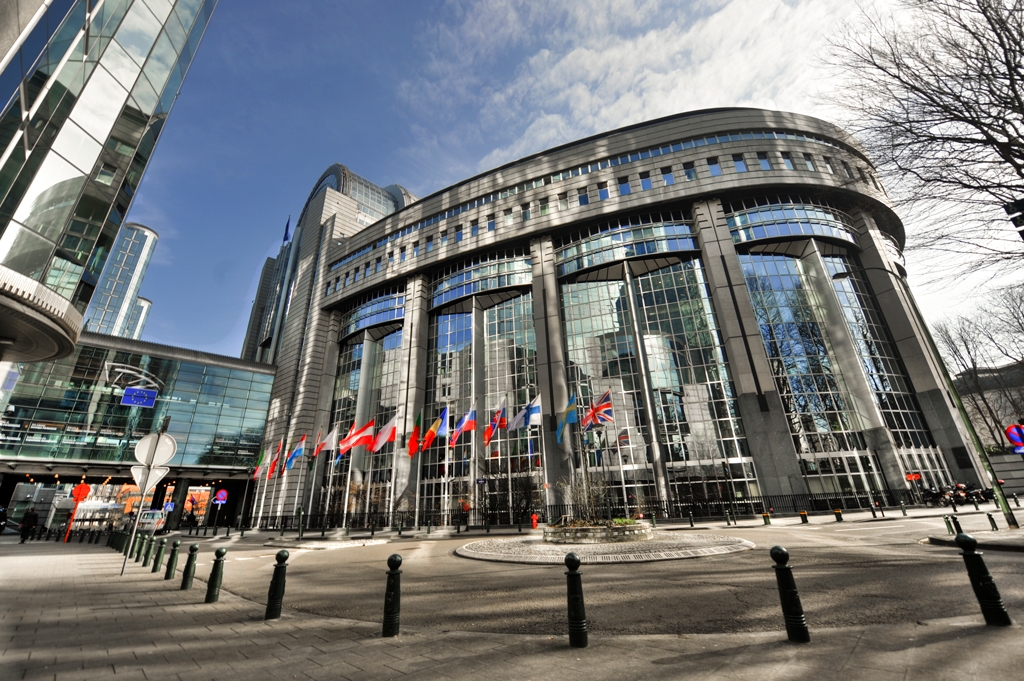
The European Panel Federation (EPF), the European Organisation of the Sawmill Industry (EOS) and the European Confederation of Woodworking Industries (CEI-Bois), organised the 7th Club du Bois meeting under the chairwomanship of Mrs Maria Noichl, MEP, on 17th October at the European Parliament in Brussels.
This edition focussed on the European woodworking industry and its threats & opportunities.
Paul Brannen MEP opened the event highlighting that the focus of the Bioeconomy Strategy from 2012 seemed to be novel uses of biomaterials, in particular further down the value chain. The updated EU Bioeconomy Strategy from earlier this month recognises the role biomaterials, namely wood used in construction, play in the EU priorities, one of them being building a carbon neutral future in line with the climate objectives of the Paris Agreement. He also underlined that this recognition is likely a result of the successful lobbying and liaising with the Commission and he thanked the Commission. While we always used to build in wood, engineered timber now allows us to build at height and at scale, some of the best examples of which we have in Europe, including the largest structure built in wood, in Hackney in London.
The presentation of Mrs Miceli (Policy Advisor, CEI-Bois) offered some insights on the statistics of the woodworking sector as an important contributor to the European Bioeconomy. Mrs Miceli also highlighted how the Strategy recognises the contribution of the wood products to the fight against global climate change thanks to its greenhouse gas (GHG) emissions saving potential, with an average of 2.1 tons of CO2 saved per ton of wood used in construction as a replacement for concrete.L ooking at the economic contribution, the woodworking and furniture sector are together the third largest sector of the Bioeconomy in terms of employment and the fifth for turnover.
Diego Benedetti, Economic and Policy Advisor of the European Organization of the Sawmill Industry (EOS), gave a presentation on the sawnwood’s market outlook titled: The European Sawmill Industry: global market developments and trends. A short macroeconomic overview set the scene: Mr Benedetti explained that GDP in the EU is set to grow by 2% both this year and probably in 2019, too. In the medium-long term Mr Benedetti argued that the market has a huge untapped potential: per capita sawn softwood consumption in Europe is five times as high as in China and immensely higher than in India.
Mr Clive Pinnington, Managing Director, EPF began his presentation with the good news that wood-based panels production has grown by an average of 2.3% over the last 5 years (compared to 1.8% GDP over the same period). This faster progress than GDP shows rising demand for these ubiquitous products, increasingly seen in furniture, construction and other applications. Successful advocacy was commended by Mr Pinnington in winning increased prominence for Harvested Wood Products (HWPs) in the new Bioeconomy Strategy, as well as the recent LULUCF Regulation. Putting HWPs and wood-based panels at the heart of these, together with the Circular Economy, have been clear recent accomplishments. So too was the final text of the Renewable Energy Directive Recast that should secure respect for the Waste Hierarchy as well as a level playing field for raw materials, free from undue market distortions.
To read the full Report, HERE.
Canfor reports decline in its lumber segment

Lower lumber prices and severe forest fires in Western Canada are partially behind Canfor's Q3 decline in both its lumber, the company reports.
The company reported operating income of $201.8 million for the third quarter of 2018, down $80.3 million from reported operating income of $282.1 million for the second quarter of 2018, with the decline reflecting lower operating earnings in both the lumber and pulp and paper segments. Reported results for the third quarter of 2018 included a net duty expense of $42.6 million, at a current effective countervailing duty (CVD) and anti-dumping duty (ADD) rate of 14.94 per cent, compared to $51.7 million reported in the second quarter of 2018. After adjusting for duties, operating income was $244.4 million for the third quarter of 2018, down $89.4 million from similarly adjusted operating income in the second quarter of 2018.
Adjusted lumber segment earnings primarily reflected steep declines in Western Spruce/Pine/Fir (Western SPF) and Southern Yellow Pine (SYP) benchmark lumber prices, and to a lesser extent, the disruptive impacts of severe forest fires in Western Canada, and Hurricane Florence in the US South, which contributed to significant cost pressures and temporary operational downtime as a result of limited log deliveries and evacuation alerts. Pulp and paper segment earnings largely reflected a 20% decrease in pulp shipments that was mostly timing-related, and to a lesser extent, higher market-driven fibre costs.
Notwithstanding the downward pressure on pricing through the third quarter of 2018, lumber demand in the North American market remained relatively stable, with U.S. housing starts averaging 1,218,000 units on a seasonally adjusted basis, down 3 per cent from the previous quarter and up 4 per cent from the third quarter of 2017. Offshore lumber consumption remained solid through the third quarter, with demand particularly strong in Japan, Canfor reports.
While the average benchmark North American Random Lengths Western SPF 2x4 #2&Btr price at US$482 per Mfbm was down US$116 per Mfbm, or 19 per cent, compared to the second quarter of 2018, Western SPF lumber unit sales realizations benefitted from a strong order file to start the quarter, a higher-value sales mix, and improved offshore pricing. The average benchmark North American Random Lengths SYP East 2x4 #2 price was US$488 per Mfbm, down US$101 per Mfbm, or 17 per cent, with this decline offset, in part, by a modest increase in 2x10 pricing. The sharp drop in lumber prices from the historical highs seen in the second quarter of 2018, was primarily attributable to higher inventory levels throughout the supply chain, in part from a continued gradual improvement in transportation networks, Canfor says.
Canfor's total lumber production, at 1.28 billion board feet, was 3 per cent lower than the prior quarter as the benefit of improved productivity was more than offset by increased statutory holidays in the current quarter and the aforementioned disruptions. Total lumber shipments, at 1.29 billion board feet, were down 4 per cent from the previous quarter reflecting reduced production, a drawdown of inventory in the previous quarter following the severe winter weather experienced in the first quarter of 2018, and the impact of flooding and road closures following Hurricane Florence.
Unit manufacturing and product costs in the third quarter of 2018 were moderately higher than the previous quarter reflecting higher market-based stumpage and the significant impacts of Hurricane Florence in the US South and severe forest fires in Western Canada, which contributed to lower harvested volumes and increased competition for purchased wood. Log costs in the U.S. South remained stable through the quarter. Global softwood pulp market conditions remained balanced through the third quarter of 2018, with US-dollar Northern Bleached Softwood Kraft (NBSK) pulp list prices, for the most part, reflecting steady global demand. Average NBSK pulp unit sales realizations were in line with the previous quarter as a weaker Canadian dollar and record high US-dollar NBSK pulp list pricing in North America offset a slight decrease in the China US-dollar NBSK pulp list price. Average Bleached Chemi-Thermo Mechanical Pulp (BCTMP) unit sales realizations showed a modest decrease quarter-over-quarter as a result of lower US-dollar BCTMP prices.
US hardwood plywood imports from China drop sharply due to countervailing duties
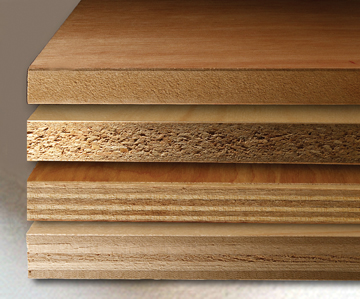
US hardwood plywood imports from China have plunged this year after massive anti-dumping and countervailing duties took effect in early January.
Having accounted for 58% of total US hardwood imports including Canada in 2016, China’s share has now declined to 14%.
Indonesia emerged this year as the most common foreign supplier of hardwood plywood to the US market with shipments surging 70% this year to 420,451m3. Imports from Vietnam through August soared to 177,725m3, more than a fivefold increase compared to the 2017 pace. Deliveries from Cambodia more than doubled to 106,92m3.
Shipments from other destinations worldwide, including Brazil, Uruguay, Malaysia, Thailand and Spain also have posted sharp hikes this year.
ETTF becomes a member of CEI-Bois

The European Timber Trade Federation (ETTF) decided at their General Assembly in Madrid this summer to become a member of CEI-Bois. The decision gives the wider European timber sector a more united and stronger voice in dealings with decision makers in government and the market.
"Our respective memberships are complementary,” said ETTF Secretary General André de Boer. “CEI-Bois is the lead body representing the woodworking and processing industries across Europe, while the ETTF’s national member federations bring to that a global trading pillar, representing the leading timber importers and distributors.
The ETTF remains an independent legal entity, continuing to pursue its own projects and strategies in the separate and specific interests of the ETTF membership. For the first three years, the ETTF will evaluate its membership of CEI-Bois on an annual basis to assess the wider benefits to its own members.
“But we can see value in CEI-Bois having its base in Brussels and thus strong connections with EU government,” said Mr de Boer. “In forming part of their new trade working group, we can also share our expertise in the international market and particularly on such key topics as the EU Timber Regulation and the EU FLEGT Action Plan.”
Mr Antonicoli, CEI-Bois General Secretary, welcomed the ETTF’s move. “Having our two forces under one roof will bring us greater influence so we can achieve more for all our members,” he said. “A tight cooperation with the ETTF will help develop and consolidate our new trade working group, which we set up several months ago and where it could play significant role.
“We are also a well recognised and respected voice and brand among the EU institutions,“ said Mr Antonicoli. “And we have committed to include ETTF priorities in our yearly advocacy plan and to adapt our messages to the EU to ensure we effectively represent and defend the interests of European timber traders.”

