

A number of market analysts have pointed to signs of weakness in the U.S. housing market as an indicator of a possible economic recession ahead. A slowdown in the housing market – evident by dampening home price growth, a decrease in new and existing home sales, and a downturn in housing starts – can be a key signal of the wavering health of the overall economy. Continue reading "Is the weakness in the US housing starts a sign of economic recession?"
Article archive
Austria: Wood pellets price reaches € 250 per tonne

Enplus A1 wood pellets' price in Austria got up to an average of € 250 per tonne, or 5.11 Cent per kWh in February 2019.
The price has increased by 4.3% as compared to the same period last year and by 0.6% over January 2019.
Austrian wood pellets presently offer a price advantage of 51.3% as opposed to extra light heating oil and 56.8% as opposed to natural gas.
Wood pellets in bags cost an average of € 4.20 per 15 kg bag (when ordering a pallet) or 28,00088 cents / kg.This represents a 3.5% increase, as compared to February 2018 and a 4.4% increase as compared to January 2019.
Pinnacle Renewable Energy suspended production at wood pellet plant in Alberta
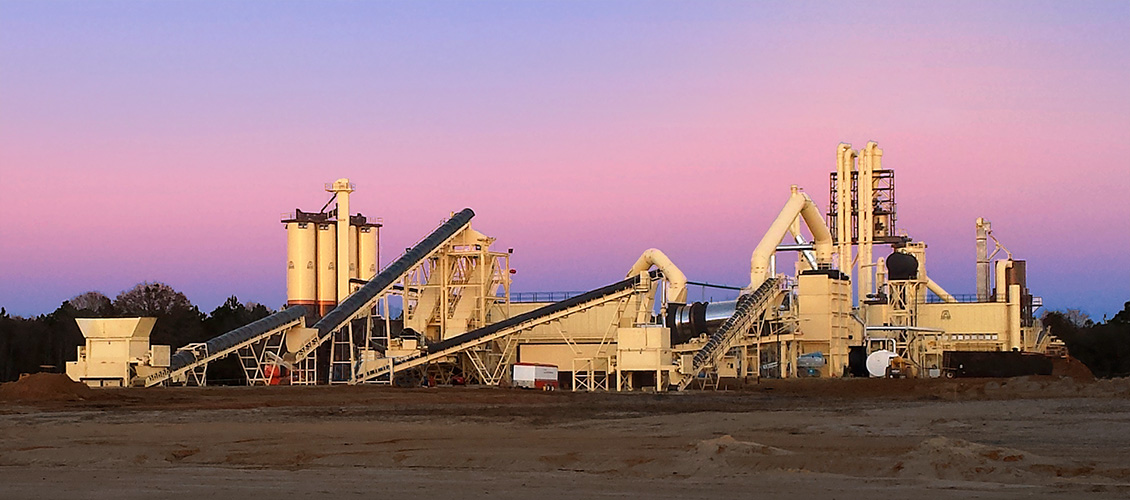
Pinnacle Renewable Energy announced that operations at its wood pellet production facility in Entwistle, Alberta, Canada, have been temporarily suspended.
A fire occurred at the facility, causing damage to part of the facility. The company reported that one employee went to hospital and several employees sustained minor injuries as a result of the accident and were treated on site. Emergency personnel were notified immediately and were at the facility promptly to treat injured employees and extinguish the fire.
Pinnacle senior management and local authorities are in transit to site and a formal investigation into the incident will commence.
Pinnacle is a wood pellet manufacturer and distributor and the third largest producer in the world. The company produces sustainable fuel for renewable electricity generation in the form of industrial wood pellets.
Rougier/ Malvaux deal not expected to disrupt the plywood market
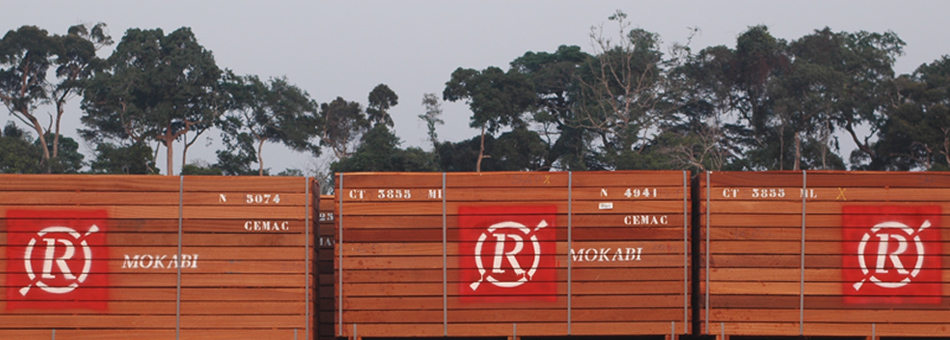
The acquisition of the €30 million turnover timber and plywood business Rougier Sylvaco Panneaux by plywood and decorative panels leader Malvaux is not expected to add further disruption to the market.
The deal follows on from Rougier’s disposal of its African timber operations, bar those in Gabon. But Malvaux, which already had a panels and marine plywood distribution relationship with Rougier has stressed that the business, with its depots in Caen, Paris and Sète, where it holds stocks of some 30,000m3, is actually set to develop under its ownership.
“Rougier Sylvain Panneaux becomes the distribution subsidiary of the full range of Malvaux Group Products throughout France,” stated Malvaux after the acquisition.
“In turn, the acquisition strengthens our industry and distribution division, accelerating deployment of our strategy to develop a global multi-product, eco-responsible offer. It enables us to provide complete range of plywood, technical and decorative panels.”
Importers said they had also not detected significant fallout yet from US-China trade conflict, but were keeping an eye on the situation.
“We haven’t yet seen Chinese plywood that would have been destined for the US diverted to Europe, but obviously the longer their dispute goes on, the greater potential it will have to disrupt international markets more widely,” said an importer.
Belgian Decospan to double its veneer production capacity

The Belgian manufacturer of veneered panels Decospan plans to double its production capacity at the Menen site.
An expansion is currently underway with 30,000 square meters of storage and production space. This includes a high-bay warehouse, which is currently being tested and is scheduled to go into operation in the late summer of 2019.
The daily production of currently around 8,000 plates (usually 2.5 x 1.25 m) is expected to rise to around 16,000 plates. For this purpose, the production area at Plant 2 will be doubled, from 40,000 to 80,000 square meters. The total investment is currently around 40 million euros.
Decospan has a turnover of around 110 million euros. It is set to rise to 180-200 million euros within the next five years and thus to almost double.
At the this year's BAU, Decospan has also presented its new logo with the subtitle "Wood Solutions".
John Deere posts considerable growth in construction & forestry segment
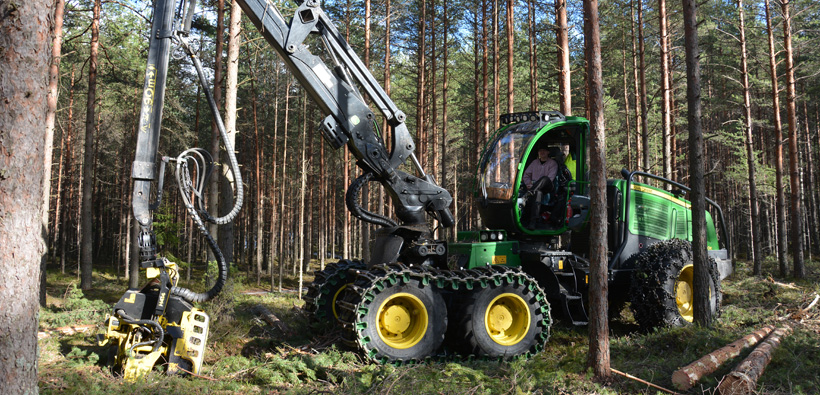
Deere & Company reported net income of $ 498.5 million for the first quarter of fiscal 2019. Results are impacted by higher material and logistics costs as well as customer uncertainty due to tariffs and trade restrictions, said Chairman and CEO of Deere & Company, Samuel R. Allen. They are leading to a reluctance to buy. At the same time, sales of John Deere construction and forestry machinery continued to rise sharply.
According to its own estimates, the company's machine sales in 2019 are expected to increase by approx. 7% compared to the previous year. The impact of unfavorable exchange rates for the financial year amounts to 2%. An increase in revenues and revenues of 7% is expected for the 2019 financial year. The annual net profit is estimated at 3.6 billion US $.
The revenues of the construction and forestry machinery division rose very sharply compared to the first quarter of 2018. One reason for this is the inclusion of the Wirtgen Group results for the entire quarterly period, while only one month was taken into account in 2018. The two additional months contributed 24% to the increase in the current quarter. In addition, sales increased due to better prices and higher volumes, with unfavorable exchange rates having a negative impact.
Forecasts of global sales of John Deere construction and forestry machines take into account the Wirtgen Group's 12-month sales, compared to 10 months in the 2018 financial year. The two additional months are expected to contribute 4% to the 2019 sales growth. The outlook for the construction and forestry machinery division reflects a generally positive starting position and economic growth worldwide. The global forestry business is expected to be 5-10% higher, with stronger demand in the EU28 and Russia.
Difficult plywood trading year forecast

European plywood businesses say they anticipate ‘a lot of challenges’ this year and one predicted ‘very difficult trading’.
The continuing slowdown of the Eurozone economy is expected to be one factor impacting trade, with the IMF predicting growth to slow to 1.9% from 2.7% in 2017, and 2.3% in 2018. And in an EU-wide poll of economic analysts in the Financial Times at the end of December, some predicted growth could slow to 1.3%, 1.2% and even 1%.
One continental-based international trader said that their UK orders had grown recently, possibly the consequence of customers building up stock prior to Brexit. Continue reading "Difficult plywood trading year forecast"
Volume of US imports of China’s hardwood plywood falls 76%

US imports of hardwood plywood increased in volume by 11% in November but are still down 20% year to date from 2017. Gains were sharp in November from the many countries gaining from cooling US trade with China. Imports from Malaysia and Indonesia were both up nearly 50% for November and are now ahead by around two-thirds for the year to date.
Imports of plywood from China, while gaining 4% in November, are down 76% year to date. China, which in 2017 held nearly half of the US import market in hardwood plywood, is now well behind Indonesia in volume sent to the US this year.
Although the volume of hardwood plywood is down, total sales in dollars are ahead by 9% year to date, due to higher prices for the types of panel being sold.
Sawn tropical hardwood imports dip
US Imports of sawn tropical hardwood fell by 3% in November to 19,791 cubic meters, which is 10% higher than November 2017.
Year to date, imports are behind by 10% with Ecuadorian imports down by a quarter. Imports of balsa fell by 15% in November and are more than 25% behind 2017 imports year to date. Sapelli and Acajou d’Afrique both gained sharply in November, but still remain down about 20% year to date.
Jatoba and Keruing imports also gained in November and are well ahead of 2017 year to date.
Veneer imports continue to wane
US imports of tropical hardwood veneer declined by 12% in November, falling for the third straight month. The decline is bringing imports back toward 2017 levels after a much stronger early part of the year.
Year-to-date imports still outpace 2017 by 27% as imports from India continue to grow, increasing by 17% in November. Imports of veneer from India have more than doubled in 2018 over 2017.
While Imports from China slipped by nearly a third in November, year-to-date totals are still up 44%.
Flooring imports mixed in November
US Imports of hardwood flooring continued to be strong in November, rising by 10% over October to a level nearly double that of November 2017.
Imports from Chinese fell by 13% in November but remain ahead of 2017 year to date by more than 60%. Imports from Brazil were up 31% in November and are also ahead year to date by more than 60%.
Malaysian exports of flooring are also very strong with imports more than tripling in November for the strongest month since October 2015. Malaysian imports are up 76% year to date over 2017. Total imports are ahead of 2017 by 41% year to date.
Imports of assembled flooring have not been as robust, declining by 6% in November. However, year-to-date imports remain about 10% above 2017.
Moulding imports remain flat
US imports of hardwood moulding fell by 3% in November, remaining fairly consistent as they have throughout the year. Most trading countries have not strayed more than 5% from 2017 year-to-date numbers all year. The exception has been Canada, which now is 23% behind year to date after dropping 9% in November.
Imports from Brazil also had been lagging, but a rise of 35% in November brought year-to-date imports even with 2017 numbers.
Stora Enso to cut a shift at Ala sawmill in Sweden, part of the costs reduction plan
In Sweden, Stora Enso has announced that 23 employees at its sawmill in Ala have received layoff notices. This stems from Stora Enso's plan to reduce costs by EUR 120mn in total.
Christer Rosén, on-site manager at the Ala sawmill, comments that there exist strong indications that things will be more insecure in the future, and that even though the sawmill sees future investment opportunities, there also exists a need to remove a shift from its components factory.
As previously reported by GWMI, Stora Enso is implementing a cost-cutting programme of Euro 120 million targeting reductions in variable and fixed costs, as market uncertainty increases. Stora Enso estimates that some effects will be visible already during 2019 with full impact by the end of 2020.
As part of the programme, Stora Enso is planning to close paper machine 6 at Imatra Mills in Finland and to start co-determination negotiations at the mill related to this plan. With annual production capacity of 90,000 tonnes, PM6 is a small machine that has reached its end-of-life.
Moreover, Stora Enso is also planning to take performance improvement measures at the Imavere sawmill in Estonia. The plan includes actions to increase productivity and reduce costs.
Lumber exports from British Columbia to China start to go down, as demand decreases
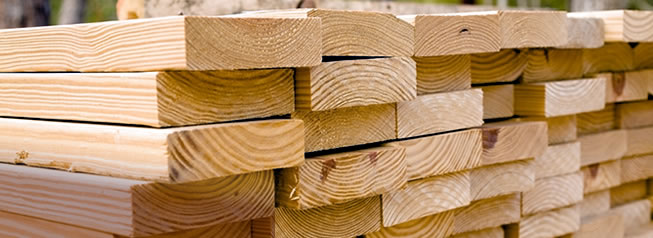
British Columbia's lumber exports to China are decreasing, as the country's slowing economic growth traces demand for one of Canada’s key exports.
According to The Globe and Mail, the volume and value of B.C. softwood exports to China have been on a downward trend since peaking in 2013. While full-year trade statistics for 2018 won’t be released until mid-March, industry experts interviewed by The Globe and Mail estimate that almost five million cubic metres of lumber went from British Columbia to China last year, compared with 5.5 million in 2017 and a record 7.9 million in 2013.
China, alongside with the whole Asian continent, are considered high-growth markets for B.C. lumber producers, but the export expectations lowered this status. Buyers from China accounted for nearly 20% of B.C.'s total volume of lumber exports in 2018, down by 22% in 2017 and the record 31% from 2013.
The value of B.C. lumber exports to China is also decreasing, going from a record $1.39-billion in 2013 to $1.07-billion in 2017 and predictions of less than $1 billion last year. Still, Canadian forestry executives prize China as the second largest foreign buyer of B.C. softwood after the United States and they are optimistic that China will be a reliable customer over the long term, The Globe and Mail reported.
“We’re really encouraged by China, and we believe that there’s still a huge future in China for our products,” Don Kayne, chief executive officer at Vancouver-based lumber producer Canfor Corp., said.
In early December, B.C. government delegates postponed their plans to visit China days after authorities arrested Huawei Technologies Co. Ltd. chief financial officer Meng Wanzhou as she was transiting through Vancouver International Airport. But Mr. Kayne and other forestry executives forged ahead that month with the final leg in China of the Asia trade mission.
“We’re focused on the business of China as opposed to the politics. China has been supportive of B.C. companies, not just Canfor, and we’re grateful for that,” Mr.Kayne said. “Diversification of our markets is important because of the trade issues that we have on a regular basis with the United States.”
Moreover, the softwood trade war between Canada and the US might continue into 2020. In 2018 only, the U.S. Department of Commerce collected final countervailing and anti-dumping tariffs averaging 20.23% against most Canadian lumber producers. Despite those tariffs, the United States has solidified its No. 1 position in rankings of B.C.’s top lumber customers. American buyers such as home builders accounted for an estimated 61% of the total value of B.C. softwood shipments to foreign customers last year, far ahead of China at 15%.
As The Globe and Mail reported, the value of B.C. lumber exports to all foreign destinations last year is expected to be roughly $6.5-billion, down slightly from 2017. Russ Taylor, managing director in Canada at lumber research firm Forest Economic Advisors, said the trend of B.C. lumber shipments declining to China over the past five years is due in part to Russia increasing its market share in China. But China barely registered on B.C.’s radar 13 years ago; Chinese orders took up only 1% of the total volume of B.C. lumber exports in 2006.
Adding to the complexities, lumber prices have been volatile over the past year. Benchmark two-by-fours made from western spruce, pine and fir rose to US$422 for 1,000 board feet in early February, up 29% since late December but still down 32% when compared with US$622 in June.
Jim Pattison, who owns half of Canfor and more than 10% of Vancouver-based West Fraser Timber Co. Ltd., said: “You can control costs and production, but there’s no sense in worrying about something you can’t control. You have to figure out how to deal with it. We can’t control what the Canadian or American or Chinese governments do.”
Germany: Seasonal increase in the price of wood pellets
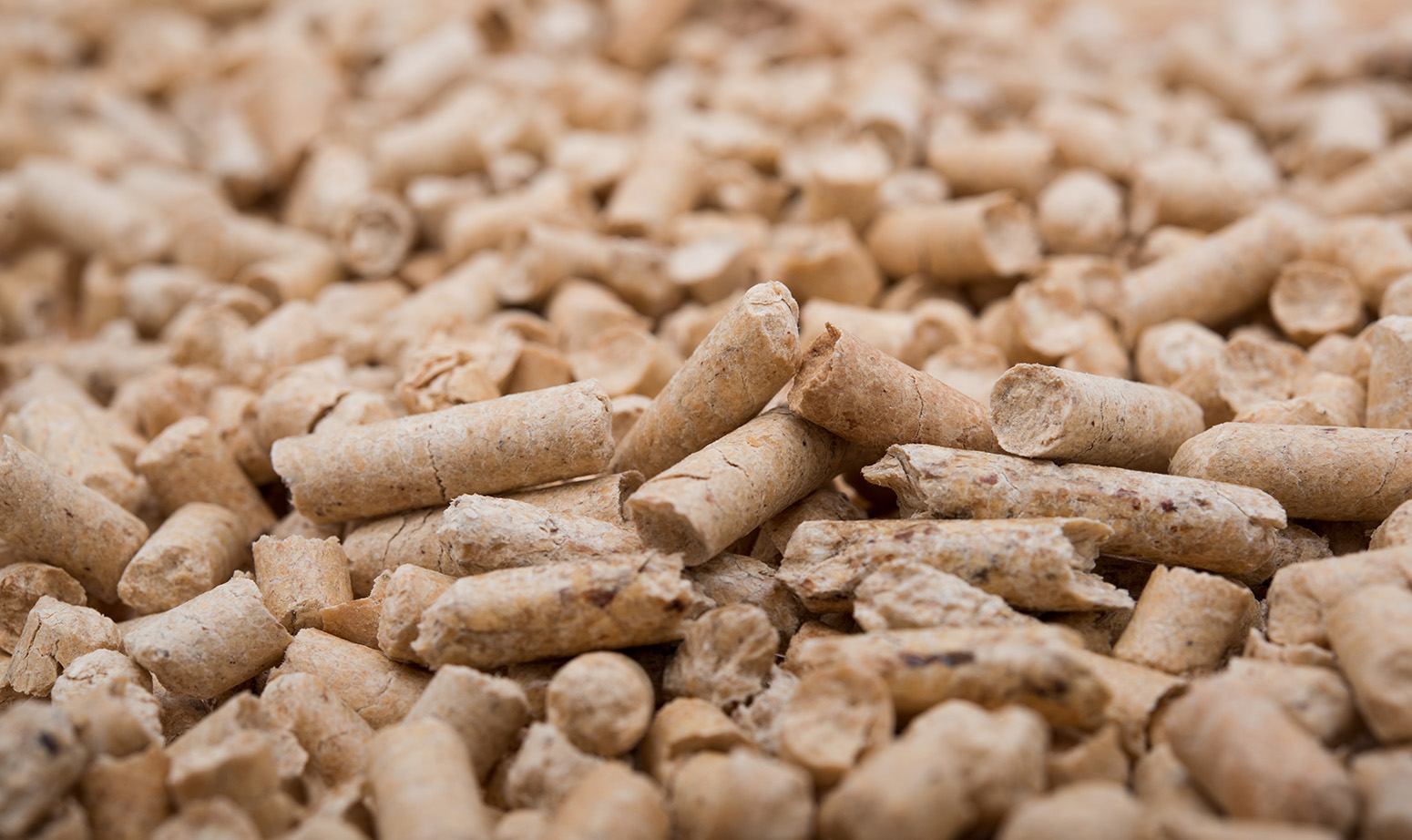
In February, the price of wood pellets in Germany increased by 1.7 percent compared to the previous month. Consumers currently pay for 6 tons (t) purchases of wood pellets an average of € 269.81/t.
A kilowatt-hour (kWh) of heat from pellets costs 5.40 cents, fuel oil 6.70 cents and natural gas 6.21 cents. The price advantage of wood pellets is 19.4 percent compared to heating oil and 13 percent to natural gas.
"Compared to the prices for fossil fuels, which are subject to strong fluctuations, the price of pellets has proven to be independent and stable in recent years. It only shows a U-shape typical of wood pellets over the course of the year, "reports DEPV Managing Director Martin Bentele. "It is common to notice a small price increase in the winter months." In Germany, wood pellets are a regional product that is delivered locally by truck. Thus, the pellets are available throughout the year, even in winter.
Regional prices
The price for wood pellets in Germany varies regionally in February 2019 (purchase volume 6 t) as follows: The cheapest pellets are in northern and eastern Germany at 266.56 EUR/t. In Central Germany one ton of pellets costs 266.94 EUR, while in southern Germany 271.81 EUR. Larger quantities (26 t) were traded in February 2019 under the following conditions: South: 257,14 EUR/t, Central: 248,42 EUR/t, North/East: 248,74 EUR / t (all incl. VAT).
US softwood lumber production on the rise, while Canadian output falls

U.S. sawmills produced 32.441 billion board feet (bbf) of softwood lumber in the first 11 months of 2018, an increase of 3.7% from 31.295 bbf in the same period a year earlier.
Western U.S. sawmills contributed 13.431 bbf to the 11-month total, a gain of 4.8% from 12.816 bbf in the previous year, while Southern U.S. sawmills accounted for 17.482 bbf - up 2.9% from 16.997 bbf, , the Western Wood Products Assn. reported in its monthly Lumber Track report.
In November alone, production was 2.664 bbf, a 4.2% year-over-year decline from 2.782 bbf, and down 15.0% from the previous month’s output of 3.135 bbf.
Of November's total, western U.S. producers accounted for 1.106 bbf, down 2.7% from 1.137 bbf in November 2017, and 15.2% lower than the 1.137 bbf produced in October 2018. Southern U.S. sawmills accounted for 1.433 bbf of November's output, down 5.3% from 1.513 bbf in November 2017, and down 14.9% from October 2018's volume of 1.684 bbf.
Apparent U.S. softwood lumber consumption grew 2.0% in the 11-month period to 44.829 bbf from 43.969 bbf a year earlier. In November, consumption was 3.739 bbf, a drop of 6.0% from 3.979 bbf in November 2017, and down 12.0% from 4.249 bbf in October 2018.
Canadian softwood lumber production/consumption
In Canada, softwood lumber production in the first 11 months was 25.645 bbf, a year-over-year drop of 2.6% from 26.326 bbf, WWPA reported.
Sawmills in British Columbia contributed 11.487 bbf to the 11-month total, a drop of 4.5% from 12.026 bbf a year earlier, while sawmills east of the Rockies produced 14.158 bbf – down 1.0% from 14.301 bbf in the first 11 months of 2017.
Canadian production in November 2018 fell 10.7% to 2.197 bbf from 2.460 bbf, and was down 8.6% from 2.404 bbf in the previous month.
Sawmills in British Columbia produced 930 million board ft. (mmbf) in November, a 14.7% drop from 1.090 bbf in the year before and down 11.2% from output in October 2018 of 1.048 bbf.
Sawmills east of the Rockies accounted for 1.267 bbf of the monthly total, a year-over-year drop of 7.6% from 1.370 bbf, and down 6.6% from 1.356 bbf in October 2018.
Apparent softwood lumber consumption in Canada over the first 11 months of 2018 was 9.589 bbf, a 3.3% gain from 9.285 bbf a year earlier. In November, consumption was 833 mmbf, a 3.2% increase from 808 mmbf in November 2017, but down 9.5% from 921 mmbf in October 2018.
U.S. and Canada utilization/inventories
U.S. production as a percentage of practical capacity averaged 87% in the 11 months to November 2018, up from 86% in the same period year earlier. In Canada, the average fell to 88% from 91% a year earlier.
U.S. inventories rose by 2.4% to 2.981 bbf in November 2018 from 2.910 bbf a year earlier, while Canadian inventories grew 4.0% to 3.256 bbf in November 2018 from 3.132 bbf in November 2017.
Roseburg completed purchase of MDF plant in Arkansas
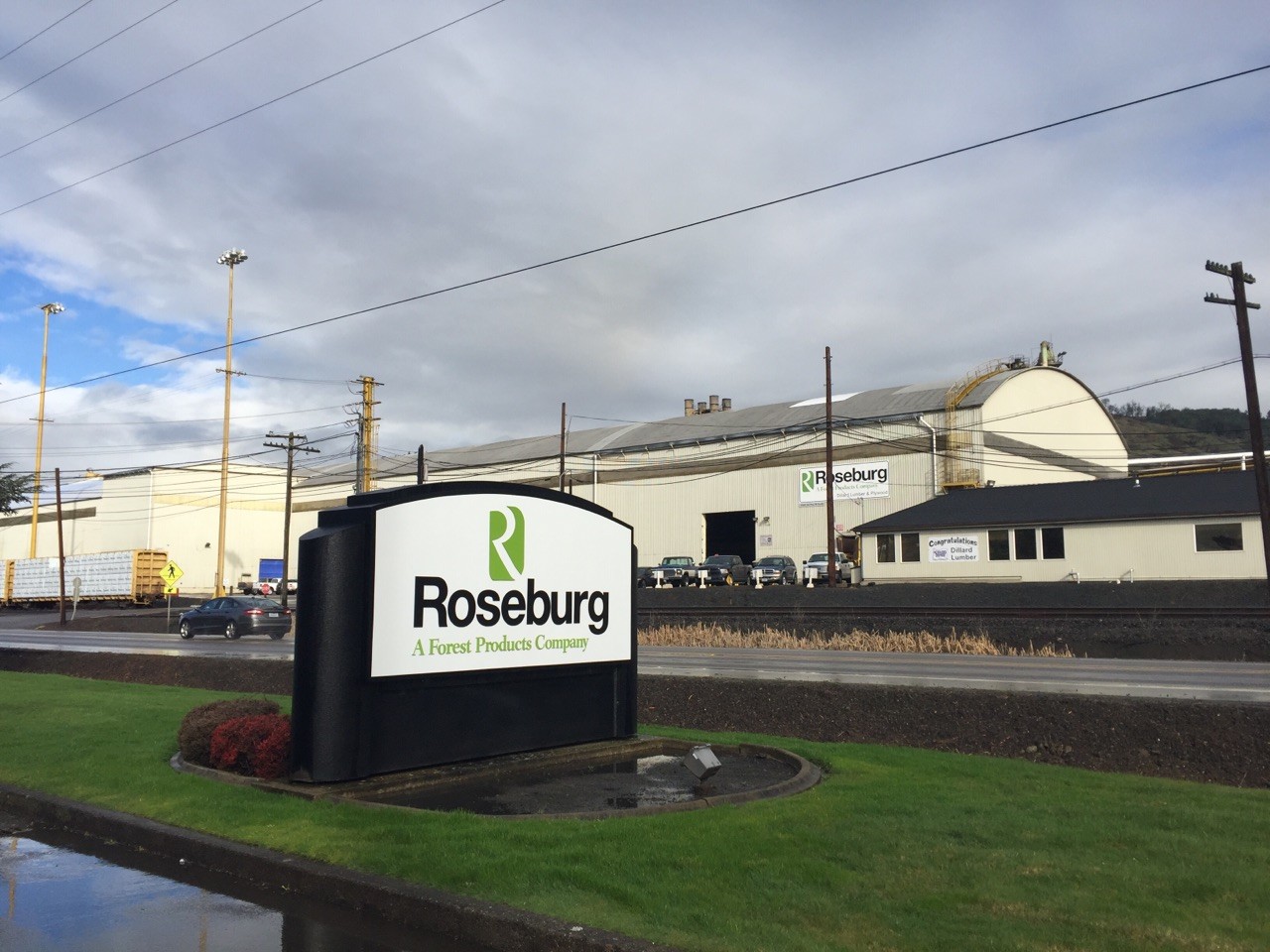
Roseburg Forest Products and PotlatchDeltic Corporation informed the market that they have completed the previously announced purchase and sale of the assets of the PotlatchDeltic subsidiary Del-Tin Fiber LLC, including its medium density fiberboard (MDF) plant located in El Dorado, Arkansas.
The two companies reached an agreement in principle in December 2018, dependent upon final due diligence and regulatory approval.
“The El Dorado MDF plant serves as the third point in Roseburg's North American MDF manufacturing triangle and will play a key role in our continued expansion into the market,” Roseburg President and CEO Grady Mulbery said. “It is located in a region with a healthy wood basket and a robust history of wood products manufacturing. El Dorado MDF is already a profitable operation, and we look forward to seeing what the plant and its employees will do with further investment under long-term ownership.”
El Dorado MDF is Roseburg’s third MDF plant purchase in the past four years. The company acquired Pembroke MDF in eastern Ontario, Canada, in early 2018, and an MDF plant in Medford, Oregon, in 2015.
“We believe this deal is a win for all parties. The El Dorado MDF employees are a dedicated group and Roseburg is a world-class MDF producer. PotlatchDeltic will give full focus to the two sawmills and half a million acres of excellent timberland acquired in the 2018 merger of Potlatch and Deltic,” said Mike Covey CEO for PotlatchDeltic.
Universal Forest Products to acquire Wolverine Wood Products

Universal Forest Products, Inc. announced that one of its affiliates has signed an agreement to purchase the operating assets of Wolverine Wood Products, Inc.
Founded in 2008 in Grand Rapids, Michigan, by Mike and Bernadette Petersen, Wolverine Wood Products manufactures wood panel components for furniture, store fixtures and case goods, with anticipated annual sales of $5 million. The acquisition will expand Universal’s capacity to produce value-added wood components for customers in the Midwest. Mike Petersen, owner and president of Wolverine Wood Products, will remain with the company as general manager.
“Wolverine Wood Products has grown quickly by using automation and robotics to provide its customers with the value-added services and pricing that other companies can’t provide,” said CEO Matt Missad. “We’re fortunate to have Mike Petersen and his team join the Universal family of companies. Mike has 32 years of experience in sales and automation integration, and he’s leveraged it into a successful and quickly growing business.”
“Universal Forest Products is a world-class company with exceptional people and an excellent market reputation,” said Mike. “This will allow Wolverine to continue to expand its market presence as well as synergize with other Universal affiliates. We are very excited to join the Universal family of companies and to continue to leverage experience and technology to solve manufacturing problems.”
About UFPI
Universal Forest Products, Inc. is a holding company whose subsidiaries supply wood, wood composite and other products to three robust markets: retail, construction and industrial. Founded in 1955, the Company is headquartered in Grand Rapids, Mich., with affiliates throughout North America, Europe, Asia and Australia.
Volatile market leaves many EU plywood importers overstocked
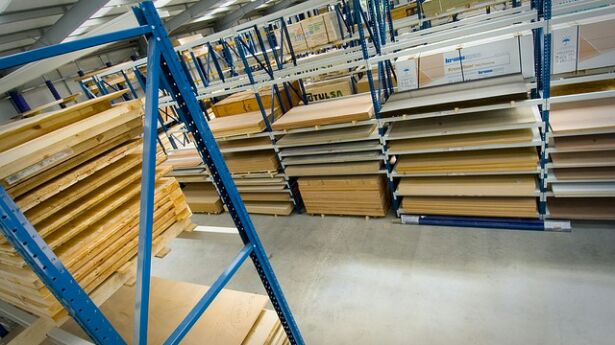
EU plywood importers report that in the latter part of the year, the plywood market started to turn around and become more volatile.
“We saw the Turkish economy slow dramatically, with construction particularly hard hit, and several of their big name companies seeking court bankruptcy protection,” said a continental importer. “As a result Russian birch ply, in particular, that would have been destined for Turkey, was pushed into other markets, including Germany.
“At the same time, the Middle East started to slow down. Following the buoyant international market in the first half of the year, however, plywood production was still high and given an added boost by rising availability of logs in China, Indonesia and Malaysia,” said another plywood specialist European imports also initially remained strong, they added, with contributory factors including importers placing big orders for the next duty-free quota. Continue reading "Volatile market leaves many EU plywood importers overstocked"
German woodworking machinery reaches record in 2018

In the five years from 2014 to 2018, the production of German manufacturers of woodworking machinery increased from 2.4 billion euros to 3.4 billion euros. This growth has brought many companies to their capacity limits and delivery times have sometimes increased to more than a year.
“Despite the looming economic slowdown in several international markets, we expect to maintain this high level in 2019,” says Pekka Paasivaara, Chairman of VDMA (The German Mechanical Engineering Industry Association) Woodworking Machinery, at the “Ligna Preview” in Hanover in early February.
In the first three quarters of 2018, the export value of German manufacturers of woodworking machinery rose by four percent over the previous year to 1.7 billion euros. With a share of 58 percent, the markets in Europe absorbed most of the machinery (980 million euros).
The two most important export regions outside Europe were Asia with 348 million euros or minus seven percent and North America with 273 million euros, which corresponds to an increase of 20 percent.
At the country level, the US ranks first (€ 252 million, up 20 percent) in the export ranking, ahead of China (€ 241 million, up seven percent), Poland (€ 115 million), France (€ 77 million) and Austria (€ 70 million).
Lumber prices keep on rising in US
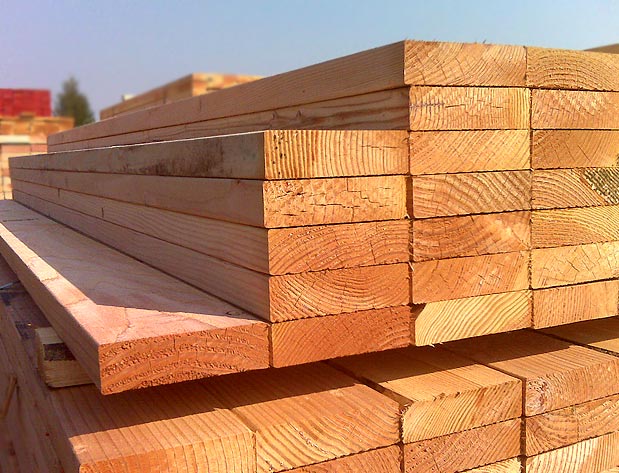
Sales of US framing lumber slowed as winter took a toll on consumption across the continent. Snow in the Northwest and rain in California cooled off trading in the West, while the Upper Midwest, Northeast, and much of Canada were in the deep freeze.
As mill sales slowed, secondaries stepped up efforts to sell from their inventories, and a two-tiered market was widely apparent. The quieter tone sapped upward momentum in prices, but the Random Lengths Framing Lumber Composite Price still posted a $7 gain.
| This Week Feb 15 |
Last Week Feb 8 |
Year Ago 2018 |
|
| Random Lengths Framing Lumber Composite Price* | $377 | $370 | $500 |
| KD Western S-P-F #2&Btr 2x4 R/L Mill Price | 410 | 417 | 527 |
| KD Eastern S-P-F #1&2 2x4 R/L, delivered Great Lakes | 471 | 465 | 609 |
| Green Douglas Fir Std&Btr 2x4 R/L (Portland) | 302 | 300 | 595 |
| Southern Pine (Westside) #2 2x4 R/L | 422 | 405 | 553 |
| KD Coast Hem-Fir #2&Btr 2x4 R/L | 405 | 395 | 550 |
| Ponderosa Pine (Inland) #2&Btr 1x12 R/L | 815 | 810 | 740 |
| * Weighted average of 15 key items | |||
Random Lengths Panel Market Report
Structural panel prices shifted mildly amid minimal sales. Wintry weather cast a pall over demand across the vast majority of the continent, and limited open-market sales of OSB. Southern Pine plywood prices trended upward modestly during another uneventful, but steady week of trading. Lean inventories kept buyers in the market searching for small volumes to address emerging needs. Western Fir plywood mills struggled to sell a week’s worth of production amid a dearth of activity attributed to weather.
| (f.o.b. mill prices) | This Week Feb 15 |
Last Week Feb 8 |
Year Ago 2018 |
| Random Lengths Structural Panel Composite Price* | $377 | $375 | $523 |
| Southern (west-east) 15/32-inch 3-ply rated sheathing plywood | 380-405 | 375-405 | 520-565 |
| Southern (west-east) 15/32-inch 4-ply rated sheathing plywood | 385-415 | 380-415 | 525-570 |
| Western 1/2-inch 4-ply rated sheathing plywood | 379 | 378 | 544 |
| North Central 7/16-inch Oriented Strand Board | 215 | 215 | 385 |
| *Weighted average of 11 key items | |||
International Forest Products acquires a major UK distributor of timber and panel products

International Forest Products LLC (IFP) is pleased to announce an agreement to acquire all of the equity of Price and Pierce Forest Products Ltd., subject to due dilegence.
Based in Woking, England, Price and Pierce will operate as a division of IFP with the present management team remaining in place under the leadership of Stephen Pitt.
“We are excited about the acquisition of Price and Pierce and the addition of their team to the IFP family,” said Daniel Kraft, President and Chief Executive Officer of IFP. “This is another step in the further development of IFP’s Solid Wood Division and will provide new opportunity for future growth.”
Stephen Pitt, President of Price and Piece, added: “Being a part of IFP will give future certainty to the excellent employees of Price and Pierce and offer great opportunities for them as the Company approaches its 150 year anniversary.”
About International Forest Products:
Founded in 1972 by Robert Kraft, IFP is a member of the Kraft Group of companies and is one of the largest traders of forest products commodities in the world. IFP provides solutions for sales and marketing, transportation and logistics, and finance for suppliers and converters.
About Price and Pierce
Price and Pierce is a major distributor of timber and panel products providing just-in- time service for UK merchants and retail groups. They are one of the oldest timber agency companies in the UK and play a powerful role in the marketing of Timber, Plywood and Panel Products from many countries including Russia, Latvia, Scandinavia, Germany, Belgium, Canada and Chile with new sources continuously being developed.
EU plywood market marked by uncertainty
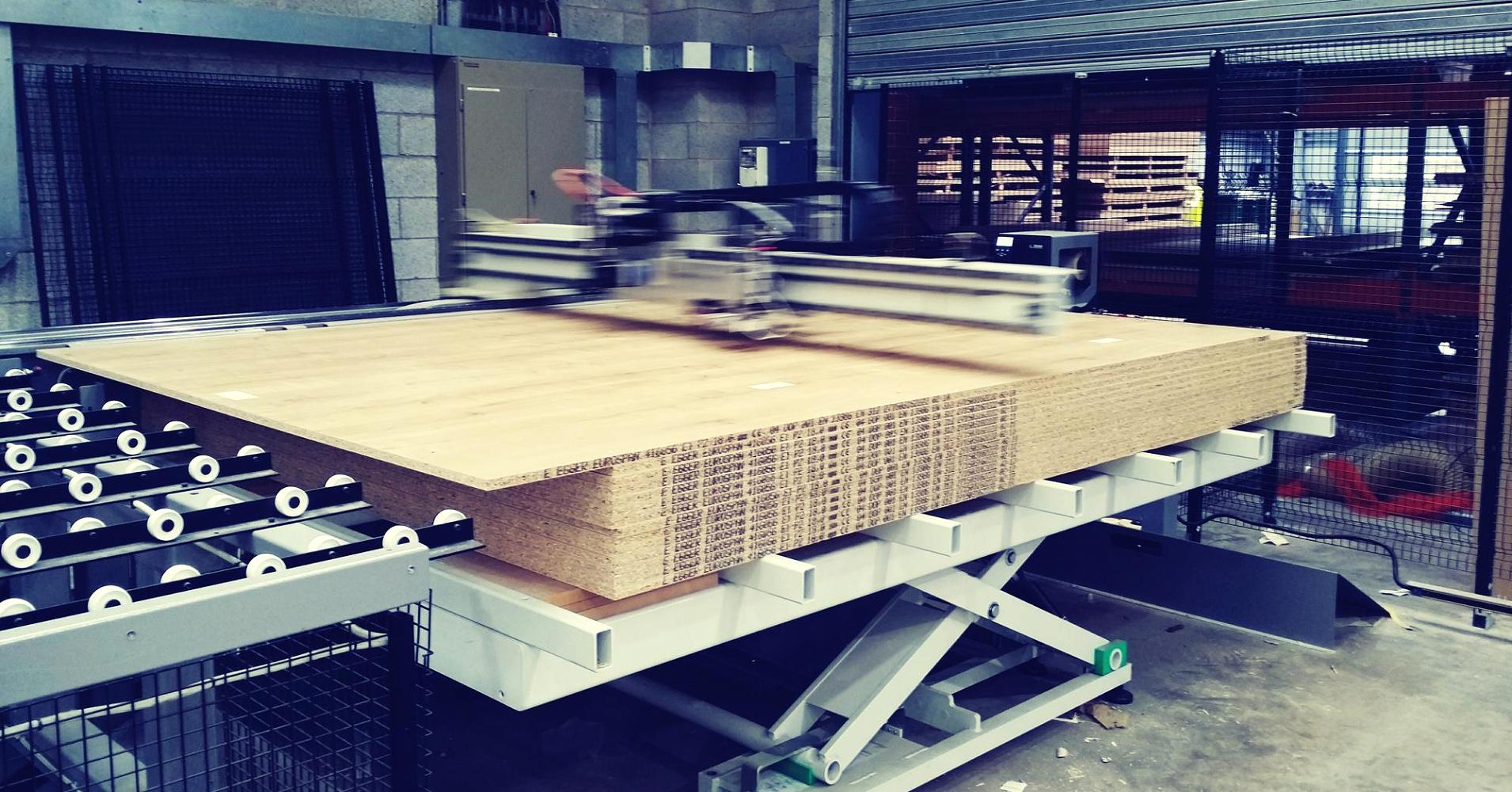
It’s been a roller coaster 12 months for the European plywood industry according to stockholder importers and distributors in the region. Prices have fluctuated following the rise and fall of key international markets, there have been supply issues due to raw material availability in some supplier countries and demand has ebbed and flowed in response. Continue reading "EU plywood market marked by uncertainty"
Slowdown in Chinese lumber imports in 2018; weaker demand and price uncertainty due to trade war with US
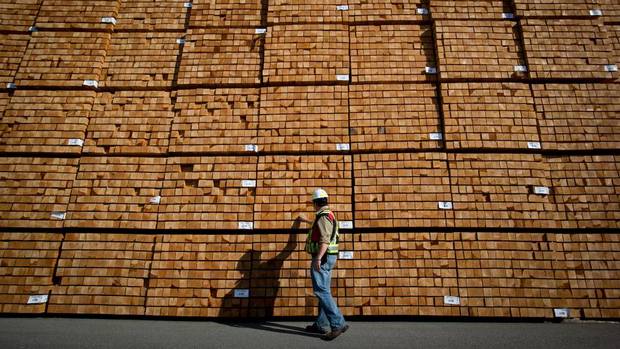
China's demand for logs and lumber grew in 2018 as compared to 2017, but most of the gains were recorded in the first half to two-thirds of the year, before a slowdown occurred. Aside from weaker demand, the start of the US-China trade war in the second half of 2018 created price uncertainty and this kept buyers on the sidelines as they waited out the dispute (and many still are). Continue reading "Slowdown in Chinese lumber imports in 2018; weaker demand and price uncertainty due to trade war with US"

