
Article archive

Biomass sector growing in Catalonia

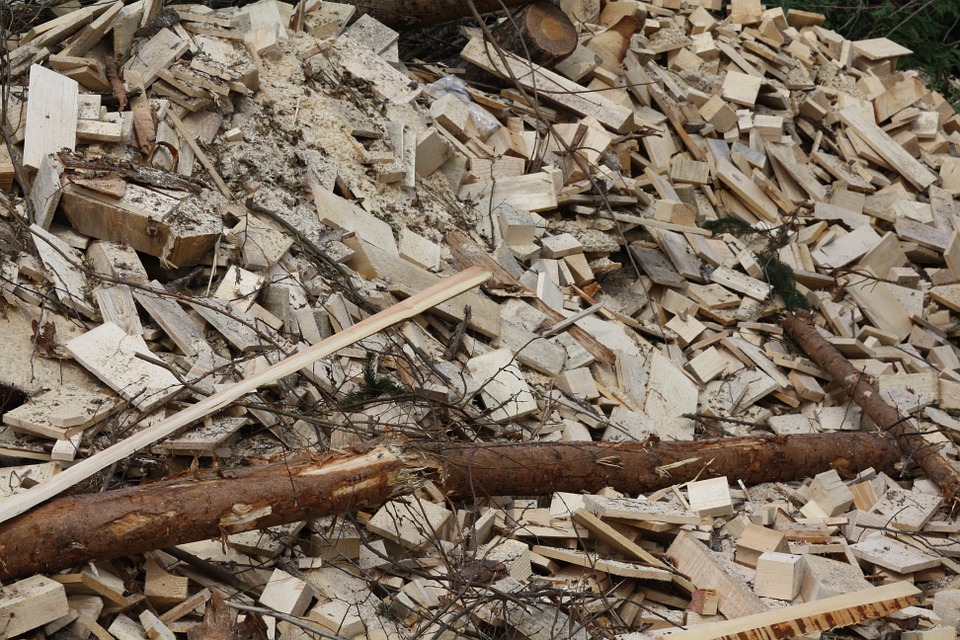
The biomass sector in Catalonia is very dynamic and has consolidated a lot in the recent period. Assumpta Farran, the director of the Catalan Energy Institute (ICAEN)  stated that the industry has developed a lot, with the increase of pellets and woodchips production, which led to the installation of 1800 new boilers in the last two years.

"The use of this resource is leading to the creation of an industrial sector that generates wealth and employment in the territory. (Biomass is possible) the creation of an industrial sector that generates local wealth and qualified jobs, particularly in rural areas," she said.

Also, in recent years, the production of wood chips and pellets has increased to 270,000 tonnes and 49,000 tonnes, respectively, and has doubled the number of companies operating in the sector.
The strategy to promote forest and agricultural biomass was approved by the Catalonian government in February 2014 and various initiatives to develop the project were led so far, such as the constitution of Cluster of Biomass of Catalonia or the launch of the portal www.biomassacat.cat.
The resource for biomass is very high in Catalonia, as the country has 2 million hectares of forest area, of which 1.3 million is covered with trees. Moreover, the volume of the forests increases each year with 3.5 million m3.
 
[gravityform id="1" title="true" description="true"]
 
[gravityform id="2" title="true" description="true"]

 

US lumber&panel prices in mid-February

A midweek surge of orders in many species was the highlight of the framing lumber market. After a slow start, attributed largely to holidays in the U.S. and Canada on Monday, buying picked up on Wednesday afternoon and carried solidly into Thursday. One major exception was Southern Pine, as sales faded from the previous week’s action; traders cited a litany of concerns, from the weather to the economy. Nonetheless, gains in other species nudged up the Random Lengths Framing Lumber Composite Price.

This Week
Feb 19
Last Week
Feb 12
Year Ago
2015
Random Lengths Framing Lumber Composite Price* $314 $313 $362
KD Western S-P-F #2&Btr 2x4 R/L Mill Price 267 260 319
KD Eastern S-P-F #1&2 2x4 R/L, delivered Great Lakes 360 360 423
Green Douglas Fir Std&Btr 2x4 R/L (Portland) 312 308 317
Southern Pine (Westside) #2 2x4 R/L 379 383 428
KD Coast Hem-Fir #2&Btr 2x4 R/L 303 298 332
Ponderosa Pine (Inland) #2&Btr 1x12 R/L 670 665 665
* Weighted average of 15 key items


Random Lengths Panel Market Report

Structural panel trading gained momentum later in the week. Extended OSB mill order files and steady shipments to job sites prompted buyers to step up their purchasing, and activity intensified as the week progressed. While some Southern Pine plywood producers opened to counters in early trading, those had dried up by Friday morning. Strength was most evident on the westside. Western Fir plywood mills sold steadily, but the volumes and prices at which they took place varied widely.

(f.o.b. mill prices) This Week
Feb 19
Last Week
Feb 12
Year Ago
2015
Random Lengths Structural Panel Composite Price* $346 $343 $382
Southern (west-east) 15/32-inch 3-ply rated sheathing plywood 365-393 365-393 440-480
Southern (west-east) 15/32-inch 4-ply rated sheathing plywood 370-393 370-393 445-490
Western 1/2-inch 4-ply rated sheathing plywood 330 337 418
North Central 7/16-inch Oriented Strand Board 223 213 195
*Weighted average of 11 key items

 
Source: Random Lengths
 
[gravityform id="1" title="true" description="true"]
 
[gravityform id="2" title="true" description="true"]
US lumber&panel prices in mid-February

A midweek surge of orders in many species was the highlight of the framing lumber market. After a slow start, attributed largely to holidays in the U.S. and Canada on Monday, buying picked up on Wednesday afternoon and carried solidly into Thursday. One major exception was Southern Pine, as sales faded from the previous week’s action; traders cited a litany of concerns, from the weather to the economy. Nonetheless, gains in other species nudged up the Random Lengths Framing Lumber Composite Price.

This Week
Feb 19
Last Week
Feb 12
Year Ago
2015
Random Lengths Framing Lumber Composite Price* $314 $313 $362
KD Western S-P-F #2&Btr 2x4 R/L Mill Price 267 260 319
KD Eastern S-P-F #1&2 2x4 R/L, delivered Great Lakes 360 360 423
Green Douglas Fir Std&Btr 2x4 R/L (Portland) 312 308 317
Southern Pine (Westside) #2 2x4 R/L 379 383 428
KD Coast Hem-Fir #2&Btr 2x4 R/L 303 298 332
Ponderosa Pine (Inland) #2&Btr 1x12 R/L 670 665 665
* Weighted average of 15 key items


Random Lengths Panel Market Report

Structural panel trading gained momentum later in the week. Extended OSB mill order files and steady shipments to job sites prompted buyers to step up their purchasing, and activity intensified as the week progressed. While some Southern Pine plywood producers opened to counters in early trading, those had dried up by Friday morning. Strength was most evident on the westside. Western Fir plywood mills sold steadily, but the volumes and prices at which they took place varied widely.

(f.o.b. mill prices) This Week
Feb 19
Last Week
Feb 12
Year Ago
2015
Random Lengths Structural Panel Composite Price* $346 $343 $382
Southern (west-east) 15/32-inch 3-ply rated sheathing plywood 365-393 365-393 440-480
Southern (west-east) 15/32-inch 4-ply rated sheathing plywood 370-393 370-393 445-490
Western 1/2-inch 4-ply rated sheathing plywood 330 337 418
North Central 7/16-inch Oriented Strand Board 223 213 195
*Weighted average of 11 key items


Source: Random Lengths


[gravityform id="1" title="true" description="true"]


[gravityform id="2" title="true" description="true"]
Australian foresters aim to develop the use of biomass

The use of biomass to produce electricity will be encouraged by the forestry industry in Australia, according to ABC. This decision was announced at the sixth annual Forest Industry Advisory Council meeting last week, by Anne Ruston, assistant Minister for Agriculture and Water Resources, as to expand the forestry sector and increase its profitability.
The forestry sector needs to take a "less traditional approach" and foresters will begin to invest in timber and biomass products as to make them usable as renewable energy resources, Ruston said. Moreover, if timber will be used as fuel to produce energy, the forestry will meet a sustainable future and the industry will make use of its waste too.

"The industry is very keen to pursue a bio-based economy for forestry to make sure that we are maximising the opportunity for all of the parts of the tree. The industry is very keen to move into this renewable energy space,” she added.

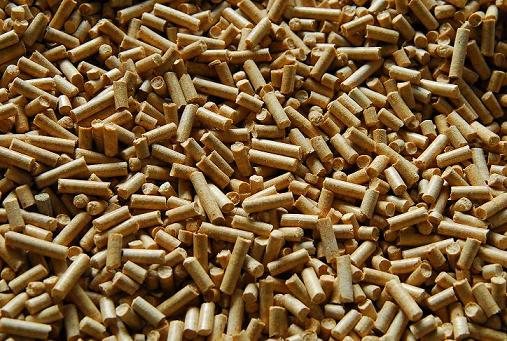
Ian Telfer, WA Plantation Resources (WAPRES) chief executive officer, said that the new trend will be to make as much use of the tress as possible, especially for small trees and fine woodchips, particularly the ones from Jarrah forests.

"In the Karri forest we have the opportunity to use [residue] for woodchips to make paper. But in the Jarrah forests, a lot of the residue is left behind. In Europe and in Asia, there's increasing focus on looking to use wood waste and wood residues as a fuel source,” Telfer added.

As Telfer predicts, Japan would make an important market to reduce its reliance on nuclear power, as wood waste is considered much better than nuclear, coal or gas energy.
 
[gravityform id="1" title="true" description="true"]
 
[gravityform id="2" title="true" description="true"]
 

Price of Austrian wood pellets stagnates in February

In February 2016, the average retail price of wood pellets in Austria registered a slight growth compared to January 2016. However, the price decreased by 4.7% compared to the same month of the previous year, according to ProPellets Austria. The price is now € 237.1 per tonne of wood pellets or 4.84 Cent per kWh, compared to the € 236.7 per tonne of wood pellets in January. That corresponds to a 0.2% increase over January.
Austrian wood pellets offer a price advantage of 8.4% as opposed to extra light heating oil and of 42.9% as opposed to natural gas.
The price for sacks is € 3.99 per 15 kg sack (when ordered by the pallet). This represents a decrease of 2.8% compared to February 2015 and a decrease of 0.2% compared to January 2016.

Price of Austrian Pellets
Create line charts

 
[gravityform id="1" title="true" description="true"]
 
 
[gravityform id="2" title="true" description="true"]

EGGER opens up new market segment for plastic edging at Brilon

The EGGER Group is investing in the Brilon (Germany) plant by developing polypropylene edging production. Through this second edging facility, the wood-based materials manufacturer would like to respond to the demand within the edging sector in Europe, and further develop its market position.
For this purpose, by the second quarter of 2016 the whole infrastructure plus two production lines will be installed and put into operation in the first development stage. The sales launch is planned for summer 2016.
By developing this new edging plant in Brilon, EGGER is opening up a new market segment for plastic edging. Polypropylene (PP) edges are primarily used in the furniture industry in Central Europe. The EGGER plant in Brilon has access to this customer group, thanks to its customer structure and regional location.

“We are investing in a new edging plant in order to meet the trend and the growing demand from the Western European furniture industry for PP edges,” says Michael-Bernd Wehmeyer, Head of EGGER Group Edging Sales.

Moreover, with its focus on PP edges, the new site distances itself from the product and customer structure of the hitherto sole edging location of the EGGER Group, Roma Plastik in Gebze, Turkey. ABS, PVC and PMMA edges continue to be manufactured there, as well as the retail range that has been produced there for many years.
Once the two calendar lines are put into operation, all PP product versions can be produced: uni edging, printed decor edging with precisely matching, brilliant design quality, gloss and super matt edging incl. protective film application and co-extrusion for the highest seamless quality. Products are made in thicknesses of 0.4 to 3.2 mm up to a maximum width of 420 mm.
Automated networking, regulation and control of production at EGGER's Brilon plant follows the standard of Industry 4.0. Further development stages are planned for the new edging plant in Brilon. As a result, EGGER can react flexibly to market demand.
The edging range from Brilon will be sold to industrial customers and key accounts through the sales company, EGGER Kunststoffe Brilon GmbH & Co. KG, which will commence activities on 1 March 2016.
 
[gravityform id="1" title="true" description="true"]
 
[gravityform id="2" title="true" description="true"]

Sweden: Sawn timber production and export on the rise in 2015

The preliminary figures from the Swedish Forest Industries Federation have shown that 2015 was a good year for the Swedish forest industry, reaching the highest sawmill production since 2007. Also, pulp production increased, as long as paper production stabilized, as Skogs Industrierna reported.
Besides the forest industry, basic industries have also had a positive development, as several companies decided to make major investments, being confident in long-term development, according to Mats Kinnwall, chief economist at the Swedish Forest Industries Federation.
As the production of market pulp rose rose by 2%, reaching 3.9 million tonnes, the total exports remained unchanged, compared to 2014, at 3.4 million tonnes. Exports to the EU increased by 1.5% in 2015.
As Kinnwall said, the exports of the Swedish forest industry are expected to grow by 3% in 2015, to SEK 127 billion, after full data will be compiled.
The Swedish paper production, which has fallen as a result of closures in recent years, stabilized in 2015. The volume decline stopped at about 2% to 10.2 million tonnes. Paper exports dropped slightly in volume and fell by 0.4 per cent to 9.3 million tonnes, but export value increased by about 1%. Also, the deliveries to the EU grew by 2%.
Production of sawn timber continued to rise in 2015 and reached 18.1 million cubic meters and the production of spruce goods rose 4 %, while pine production was unchanged. 58% of production is whitewood, while the remaining part is pine.
Also, exports of sawn timber preliminarily amounted to 12.8 million cubic meters, equivalent to about SEK 26 billion. The volume thus rose about 4%, while the value of exports rose 1.5%.
High construction activity in Sweden has led to good sales of wood products in the domestic market, estimated at about 5 million cubic meters or 28% of total shipments.
This data is preliminary, while the final one will be presented at the Swedish Forest Industries quarterly report in March 2016.
 
[gravityform id="1" title="true" description="true"]
 
[gravityform id="2" title="true" description="true"]


Prices for softwood&hardwood lumber in France

The following table contains the latest price information from the French National Wood Federation (Fédération nationale du bois) in partnership with Centre d'Etudes de l'Economie du Bois (C.E.E.B.).

Price 2015-Q4 (Price for the period January 1-5, 2016) Prices
2014-Q4
Prices
2015-Q3 €
Prices
2015-Q4€
Index Change
2015-Q4
2015-Q3
Change
2015-Q4
2014-Q4

OAK Lumber                                                                       Index base 100 : Oct 2006 S20

UNEDGED LOGS  - QBA - Logs, joinery, (KD), length 3 m +
Diameter 40 to 49cm (thickness 34mm)    m3

994 1 062 1 073 123,9 1,0% 7,9%
Diameter 50cm et + (thickness 50mm)    m3

1 106 1 188
1 200 123,7 1,0% 8,5%
LOGS  - QB1 - High-value joinery work, 6 months open air drying, length 3 m +
Diameter 40 to 49cm (thickness 27/34mm)    m3

782 827
827 118,2 -0,1% 5,7%
Diameter 50 to 80cm (thickness 54mm)      m3 887 955
964 124,6 0,9% 8,7%

SELECTED LOGS  - QSA/QS1-  (KD)
Thickness 27 to 54mm - length 2m +
Bare 18cm (tolerance 10cm +)     m3

811 857
862 129,2 0,5% 6,2%
SELECTED LOGS  - QS2 - 6 months open air drying
Thickness 27 to 54mm - length 2m +
Bare 18cm (tolerance 10cm +)     m3

560 619
628 138,9 1,5% 12,1%

STRIPS (80x27) OR EDGED (100x27) QF1a - 3 months AD
Length 30 to 50cm     m3 591 592
622 106,2 5,2% 5,3%
Length 60 to 90cm     m3 760 817
825 119,2 1,0% 8,6%
Length 1m + m3 841 906
929 117,4 2,5% 10,4%
STRIPS (80x27) OR EDGED (100x27) QF1b  - 3 months open air drying
Length 1,50m +    m3  629 642
641 103,3 -0,1% 2,0%
EDGED QF2- Thickness 27 mm - length 1,50 m +
Width 100 to 150mm     m3 591 691
684 114,5 -1,0% 15,7%
Width 160mm +     m3 654 730
738 121,2 1,1% 12,9%
EDGED QF2/QF3 X – Thickness 27 mm, length 1,50 m +, 3 months AD
Width 160mm +     m3  535 653
630 114,4 -3,6% 17,7%

EDGED BEAMS QP1 - Standard beams (fresh)
Camber to max. two edges, red core and sap tolerance
Measure 15x15 - length 4 to 5m     m3 478 518
517 127,1 -0,2% 8,1%
Measure 25x25 - length 4 to 5m     m3 496 555
562 123,4 1,3% 13,3%

SPRUCE Lumber (fresh)                                                        Index base 100 : July 1990 S30

Quality 0 - Edged, in all widths
Thickness 27mm     m3  279 282 279 99,1 -1,3% -0,2%
Quality 1 - Edged, in all widths
Boards 2 to 5,50m - thickness 27mm     m3  255 250 244 110,3 -2,5% -4,4%
Quality 2
Scantlings

75x225 or 63x160 - length 3 to 5m     m3

195 190 190 162,5 -0,1% -2,3%
Beams
63x75 or 50x75 - length 3 to 4,50m     m3
203 200 228 111,6 0,0% -3,0%
Mouldings
27x27 - length 2 to 5m m3 
236 229 228 111,6 -0,4% -3,7%
Quality 3 - Boards edged timber all width
Unedged beams

Thickness 18/27mm     m3

146 144 140 100,8 -2,8% -4,1%
Quality 4
Scantlings     m3

145 143 143 105,1 -0,3% -1,8%
Boards any widths    Thickness 27mm     m3 132 137 137 109,4 -0,3% 3,6%
Value added for extra-lengths 5 to 8 m 10 10 10 - 0,3% -0,7%
€/m

MARITIME PINE Lumber (fresh)                                            Index base 100 : July 1990 S50

Quality 0A - edged, in all widths, lengths 2 to 2,70m
3/4 Sidings     Thickness 27/32mm    m3 322 319 326 107,7 2,5% 1,4%
Quality 0 - edged, in all widths, lengths 2 to 2,70m
Thickness 27mm     m3 234 240 240 115,9 0,0% 2,6%
Thickness 32mm     m3 271 271 271 127,8 0,0% 0,0%
Quality 1 - edged, in all widths, lengths 2 to 2,70m
Thickness 27mm     m3 194 202 211 135,5 4,6% 9,0%
Thickness 32mm     m3 253 240 240 144,6 0,0% -5,1%
Quality 2
Scantlings - length 3 to 5m m3 258 258 258 155,4 0,0% 0,0%
Quality 3 - Boards thickness 27 mm - all widths
length 2 to 5m m3 149 157 157 127,5 0,0% 5,5%
Beams     m3 140 143 140 110,5 -1,8% 0,0%
Quality 4
Boards 27mm     m3 116 118 126 134,3 7,0% 8,6%

PINE Lumber(fresh)                                                              Index base 100 : July 1990 S40

Quality 0A
Logs All thicknesss     m3 344 344 344 131,3 0,0% 0,0%
Quality OB
Logs All thicknesss     m3 291 291 291 126,5 0,0% 0,1%
Quality OA
Edged
Thickness 18, 27mm +, Width 100mm + m3

301 301 301 101,2 -0,2% -0,2%
Quality 0
Edged
Thickness 18, 27mm +, Width 100mm +   m3
292 292 292 122,2 0,0% 0,0%
Quality 1
Edged

Thickness 18, 27mm +, Width 100mm + m3 

245 244 244 123,2 0,0% -0,4%
Quality 2
Scantlings
63x163 or 175, 65x175 or 180, 75x165, 80x230
Length 3 to 5m     m3

200 202 194 112,8 -3,9% -3,0%
Beams : 76x76, 80x80
Length 3 to 5m m3

219 212 215 120,5 1,3% -1,9%
Wood frame construction and glulam
Price for drying and planning not included, length 2 to 4m m3
252 233 240 120,2 3,3% -4,7%
Quality 3
Boards - Thickness 27 mm - length up to 3 m
All widths     m3

126 128 128 97,7 0,3% 1,9%
Scantlings : 65x165 or 80x230 m3

169 154 149 104,1 -3,4% -11,7%
Quality 4
Boards 27mm     m3 146 147 147 119,5 0,0% 0,8%
Scantlings     m3 163 161 154 119,2 -4,5% -5,7%

BEECH Lumber                                                                    Index base 100 : July 1990 S70

Logs (3 months drying)
Thickness 27/54mm , diameter 40cm +, length 3m +
Quality FB1     m3 
298 306 308 106,3 0,7% 3,6%
Quality FB2     m3 215 206 207 95,4 0,6% -3,6%

POPLAR Lumber                                                                  Index base 100 : July 1990 S80

Edged
Thickness : 18, 22, 27mm, length : 1 to 2,67m (10% de 1 to 1,33m), Width : 10 to 25cm (average 17/18cm)
Grade 1 (choice and wood quality) open air drying m3 306 289 278 122,0 -3,8% -9,1%
Grade 2 (bedding quality) open air drying     m3 203 210 211 92,3 0,7% 4,2%
Grade 3 (packaging-pallets quality) fresh m3 163 163 160 112,1 -1,6% -1,4%

DOUGLAS FIR Lumber (fresh)                                                Index base 100 : Jan. 2005 S60

Grade 1 - Edged - length 3 to 5m
42 or 52x150 to 230 m3 256 255 257 136,5 0,5% 0,2%
Grade 2 - Scantlings - length 3 to 5m
63x150 or 63x175     m3 208 207 215 132,1 4,0% 3,3%
63 or 75x200 to 225 m3 219 214 221 131,4 3,2% 1,0%
63 or 75x250 to 300 m3 243 243 247 128,7 1,9% 1,6%
Value added for extra-lengths 5 to 8 m 14 13 16 - 18,5% 10,6%
€/m

PALLET LUMBER (fresh)                                                        Index base 100 : Jan. 2005

All hard- and softwood species - all quality grades
Boards in fixed width – solid wood Frame timber – longitudinally sawn
All thicknesss 18/27mm     m3
119,7 -1,2% -1,9%
except for maritime pine     m3 - -0,6% -0,6%

Prices for softwood&hardwood lumber in France

The following table contains the latest price information from the French National Wood Federation (Fédération nationale du bois) in partnership with Centre d'Etudes de l'Economie du Bois (C.E.E.B.).

Price 2015-Q4 (Price for the period January 1-5, 2016) Prices
2014-Q4
Prices
2015-Q3 €
Prices
2015-Q4€
Index Change
2015-Q4
2015-Q3
Change
2015-Q4
2014-Q4

OAK Lumber                                                                       Index base 100 : Oct 2006 S20

UNEDGED LOGS  - QBA - Logs, joinery, (KD), length 3 m +
Diameter 40 to 49cm (thickness 34mm)    m3

994 1 062 1 073 123,9 1,0% 7,9%
Diameter 50cm et + (thickness 50mm)    m3

1 106 1 188
1 200 123,7 1,0% 8,5%
LOGS  - QB1 - High-value joinery work, 6 months open air drying, length 3 m +
Diameter 40 to 49cm (thickness 27/34mm)    m3

782 827
827 118,2 -0,1% 5,7%
Diameter 50 to 80cm (thickness 54mm)      m3 887 955
964 124,6 0,9% 8,7%

SELECTED LOGS  - QSA/QS1-  (KD)
Thickness 27 to 54mm - length 2m +
Bare 18cm (tolerance 10cm +)     m3

811 857
862 129,2 0,5% 6,2%
SELECTED LOGS  - QS2 - 6 months open air drying
Thickness 27 to 54mm - length 2m +
Bare 18cm (tolerance 10cm +)     m3

560 619
628 138,9 1,5% 12,1%

STRIPS (80x27) OR EDGED (100x27) QF1a - 3 months AD
Length 30 to 50cm     m3 591 592
622 106,2 5,2% 5,3%
Length 60 to 90cm     m3 760 817
825 119,2 1,0% 8,6%
Length 1m + m3 841 906
929 117,4 2,5% 10,4%
STRIPS (80x27) OR EDGED (100x27) QF1b  - 3 months open air drying
Length 1,50m +    m3  629 642
641 103,3 -0,1% 2,0%
EDGED QF2- Thickness 27 mm - length 1,50 m +
Width 100 to 150mm     m3 591 691
684 114,5 -1,0% 15,7%
Width 160mm +     m3 654 730
738 121,2 1,1% 12,9%
EDGED QF2/QF3 X – Thickness 27 mm, length 1,50 m +, 3 months AD
Width 160mm +     m3  535 653
630 114,4 -3,6% 17,7%

EDGED BEAMS QP1 - Standard beams (fresh)
Camber to max. two edges, red core and sap tolerance
Measure 15x15 - length 4 to 5m     m3 478 518
517 127,1 -0,2% 8,1%
Measure 25x25 - length 4 to 5m     m3 496 555
562 123,4 1,3% 13,3%

SPRUCE Lumber (fresh)                                                        Index base 100 : July 1990 S30

Quality 0 - Edged, in all widths
Thickness 27mm     m3  279 282 279 99,1 -1,3% -0,2%
Quality 1 - Edged, in all widths
Boards 2 to 5,50m - thickness 27mm     m3  255 250 244 110,3 -2,5% -4,4%
Quality 2
Scantlings

75x225 or 63x160 - length 3 to 5m     m3

195 190 190 162,5 -0,1% -2,3%
Beams
63x75 or 50x75 - length 3 to 4,50m     m3
203 200 228 111,6 0,0% -3,0%
Mouldings
27x27 - length 2 to 5m m3 
236 229 228 111,6 -0,4% -3,7%
Quality 3 - Boards edged timber all width
Unedged beams

Thickness 18/27mm     m3

146 144 140 100,8 -2,8% -4,1%
Quality 4
Scantlings     m3

145 143 143 105,1 -0,3% -1,8%
Boards any widths    Thickness 27mm     m3 132 137 137 109,4 -0,3% 3,6%
Value added for extra-lengths 5 to 8 m 10 10 10 - 0,3% -0,7%
€/m

MARITIME PINE Lumber (fresh)                                            Index base 100 : July 1990 S50

Quality 0A - edged, in all widths, lengths 2 to 2,70m
3/4 Sidings     Thickness 27/32mm    m3 322 319 326 107,7 2,5% 1,4%
Quality 0 - edged, in all widths, lengths 2 to 2,70m
Thickness 27mm     m3 234 240 240 115,9 0,0% 2,6%
Thickness 32mm     m3 271 271 271 127,8 0,0% 0,0%
Quality 1 - edged, in all widths, lengths 2 to 2,70m
Thickness 27mm     m3 194 202 211 135,5 4,6% 9,0%
Thickness 32mm     m3 253 240 240 144,6 0,0% -5,1%
Quality 2
Scantlings - length 3 to 5m m3 258 258 258 155,4 0,0% 0,0%
Quality 3 - Boards thickness 27 mm - all widths
length 2 to 5m m3 149 157 157 127,5 0,0% 5,5%
Beams     m3 140 143 140 110,5 -1,8% 0,0%
Quality 4
Boards 27mm     m3 116 118 126 134,3 7,0% 8,6%

PINE Lumber(fresh)                                                              Index base 100 : July 1990 S40

Quality 0A
Logs All thicknesss     m3 344 344 344 131,3 0,0% 0,0%
Quality OB
Logs All thicknesss     m3 291 291 291 126,5 0,0% 0,1%
Quality OA
Edged
Thickness 18, 27mm +, Width 100mm + m3

301 301 301 101,2 -0,2% -0,2%
Quality 0
Edged
Thickness 18, 27mm +, Width 100mm +   m3
292 292 292 122,2 0,0% 0,0%
Quality 1
Edged

Thickness 18, 27mm +, Width 100mm + m3 

245 244 244 123,2 0,0% -0,4%
Quality 2
Scantlings
63x163 or 175, 65x175 or 180, 75x165, 80x230
Length 3 to 5m     m3

200 202 194 112,8 -3,9% -3,0%
Beams : 76x76, 80x80
Length 3 to 5m m3

219 212 215 120,5 1,3% -1,9%
Wood frame construction and glulam
Price for drying and planning not included, length 2 to 4m m3
252 233 240 120,2 3,3% -4,7%
Quality 3
Boards - Thickness 27 mm - length up to 3 m
All widths     m3

126 128 128 97,7 0,3% 1,9%
Scantlings : 65x165 or 80x230 m3

169 154 149 104,1 -3,4% -11,7%
Quality 4
Boards 27mm     m3 146 147 147 119,5 0,0% 0,8%
Scantlings     m3 163 161 154 119,2 -4,5% -5,7%

BEECH Lumber                                                                    Index base 100 : July 1990 S70

Logs (3 months drying)
Thickness 27/54mm , diameter 40cm +, length 3m +
Quality FB1     m3 
298 306 308 106,3 0,7% 3,6%
Quality FB2     m3 215 206 207 95,4 0,6% -3,6%

POPLAR Lumber                                                                  Index base 100 : July 1990 S80

Edged
Thickness : 18, 22, 27mm, length : 1 to 2,67m (10% de 1 to 1,33m), Width : 10 to 25cm (average 17/18cm)
Grade 1 (choice and wood quality) open air drying m3 306 289 278 122,0 -3,8% -9,1%
Grade 2 (bedding quality) open air drying     m3 203 210 211 92,3 0,7% 4,2%
Grade 3 (packaging-pallets quality) fresh m3 163 163 160 112,1 -1,6% -1,4%

DOUGLAS FIR Lumber (fresh)                                                Index base 100 : Jan. 2005 S60

Grade 1 - Edged - length 3 to 5m
42 or 52x150 to 230 m3 256 255 257 136,5 0,5% 0,2%
Grade 2 - Scantlings - length 3 to 5m
63x150 or 63x175     m3 208 207 215 132,1 4,0% 3,3%
63 or 75x200 to 225 m3 219 214 221 131,4 3,2% 1,0%
63 or 75x250 to 300 m3 243 243 247 128,7 1,9% 1,6%
Value added for extra-lengths 5 to 8 m 14 13 16 - 18,5% 10,6%
€/m

PALLET LUMBER (fresh)                                                        Index base 100 : Jan. 2005

All hard- and softwood species - all quality grades
Boards in fixed width – solid wood Frame timber – longitudinally sawn
All thicknesss 18/27mm     m3
119,7 -1,2% -1,9%
except for maritime pine     m3 - -0,6% -0,6%

Albania bans logging for the next 10 years

The forests in Albania have suffered major exploitation in the past 25 years, so the Albanian government has decided to prohibit logging in the next 10 years as to help the woods regenerate, according to the Independent Balkan News Agency (IBNA).

Prime Minister, Edi Rama, stated that “the destruction of woods, river beds, destruction of protective infrastructure, the embankment of drainage canals has led us over the years to the edge of an abyss, which we have tried to prevent for two years, but today, after two years, we are ready to take one further step with the approval of the ten year moratorium.”

This destruction is caused by greedy people who took advantage of the Albanian woods, using goods that didn’t belong to them, as Rama added. Of the 1.5 million hectares of wood and 480,000 hectares of vegetation, only 400 hectares of true forests have survived.
Lefter Koka, the Albanian minister of Environment, said that in the past two year, there have been 7200 inspections that led to 1030 fines and 70 people to being prosecuted.
At the moment, the rest of the forests are turning into low forests, bushes and barren land. Certain areas are even turning into dessert, making it unnatural for a country in the Mediterranean.
 
[gravityform id="1" title="true" description="true"]
 
[gravityform id="2" title="true" description="true"]

Kährs Group achieves higher profits in 2015

Net sales of the Swedish wood flooring manufacturer Kährs totalled SEK 667 million in the fourth quarter of 2015 (Q4/2014: 667 million). A weak trend in Russia and Finland was offset by good growth in Sweden as well as in several Central European markets, Kährs Group reported in a press realease

Kährs Group's operating profit before depreciation, amortization and non-recurring items (adjusted EBITDA) was SEK 83 million (Q4/2014: 80), corresponding to an operating margin of 12.4 percent (Q4/2014: 12.0) and a profit increase of 4 percent compared with the fourth quarter of 2014.

The new full-scale parquet factory in Romania was completed and opened during the fourth quarter.

January – December 2015

Kährs Group's net sales for the full period January – December amounted to SEK 2,724 million (2014: 2,595), an increase of 5 percent compared with the previous year. Calculated in local currencies, sales growth was 4 percent

Kährs Group's operating profit before depreciation, amortization and non-recurring items (adjusted EBITDA) for the period was SEK 314 million (2014: 261), corresponding to an operating margin of 11.5 percent (2014: 10.1)

President and CEO Christer Persson commented on the results: ”Conditions on our core markets are generally positive, with good growth in the construction and renovation market.  In hardwood flooring we saw good growth in our core markets Sweden, Germany, the UK and the US and our resilient flooring business showed a positive development with a growth rate of 18 percent in the quarter. "

About Kährs Group

Kährs Group is a world leading wood and resilient flooring manufacturer with well-known and globally recognized brands such as Kährs, Karelia and Upofloor. Kährs Group delivers products to more than 50 countries and have a market leading position in Sweden, Finland, Norway and Russia as well as a strong position in other important markets such as the UK and Germany. The group employs 1,600 people and has yearly sales of around 300 MEUR.


[gravityform id="1" title="true" description="true"]


[gravityform id="2" title="true" description="true"]
The Netherlands might cut off wood energy subsidies

Lawmakers in the Netherlands, together with Dutch parliamentarians, want to cease the projects regarding wood energy subsidies and wood-fired power plants, according to Clean Technica.
They believe that the biomass power plants may represent a threat to the environment. Even if the wood energy subsidies are considered to represent the new era of renewable energy in Europe, the Netherlands authorities consider that they draw out the transition away from coal-fired power plants and represent a waste of money and investments.
Moreover, the biomass subsidies are also considered to cause greenhouse gas emissions and also deforestation. During 2014, 8 million tons of American waste wood and trees were used to produce 4 million tons of wood pellets for European export, as Climate Central reported.
The Dutch government has provided billions of dollars for blending wood pellets with coal fuel, but a Climate Central analysis has shown that burning wood pellets as to create electricity releases up to 15%-20% more carbon dioxide pollution than burning coal.

Jan Vos, a Labor Party parliamentarian, stated that “the majority of Parliament currently wants to close all coal power plants in the Netherlands. If we subsidize biomass for a timeframe of 8 to 11 years, which is currently the case, then that means that you have a lock-in for 8 to 11 years. We will have to pay those subsidies for that entire timeframe.”

The debate about the real emission reduction delivered by biomass is still on and the postponement has saved up to $4 billion in tax revenue and energy fees. After “a coal plant phase-out” plan is published, the Parliament and the lawmakers will make further decisions.
 
[gravityform id="1" title="true" description="true"]
 
[gravityform id="2" title="true" description="true"]


EU tropical wood flooring imports driven up by France

There was significant growth in EU import value of tropical wood flooring (+18.7% to €89.7 million) in the first eleven months of 2015. However, at 3.94 million sq.m, EU imports of tropical flooring were only 2% more than the year before.

Imports of wood flooring from tropical countries are also small in relation to both domestic production (around 63 million sq.m in 2014) and imports from China (18.7 million sq.m in 2014).

There was a rise in imports from both Indonesia and Malaysia, the two largest tropical suppliers of wood flooring to the EU.

Imports increased from Indonesia by 3% to 1.35 million sq.m and by 2% from Malaysia to 1.22 million sq.m in the first 11 months of 2015. Between October to November EU imports from Indonesia were slowing but picking up pace from Malaysia.

EU imports of flooring from Viet Nam also gained ground in the first eleven months of last year, rising 23% to 329,800 sq.m. Imports from Brazil also increased by 5% to 588,200sq.m. These gains offset a fall in imports from several smaller tropical suppliers of flooring to the EU including Thailand (-9%), Peru (-31%) and Hong Kong (-32%).

The rise in EU tropical wood flooring imports in 2015 is primarily due to France, by far the largest market for this commodity accounting for around one quarter of all EU imports. Imports into France increased 28% to 850,200sq.m in the first 11 months of 2015.

During the same period, there was a rise in tropical wood flooring imports by the UK (+1% to 498,098 sq.m), Italy (+6% to 408,855 sq.m) and the Netherlands (+39% to 330,440 sq.m). However imports declined sharply into Belgium (-30% to 540,169 sq.m) and Germany (-13% to 381,565 sq.m).

China is by far the largest external supplier of flooring products to the EU, much consisting of assembled multi-layers panels, and volumes over-shadow imports from tropical countries. An unknown proportion will contain tropical wood.

EU imports of wood flooring from China (including all products faced with real wood but excluding laminated flooring) were 16.0 million sq.m from January to November 2015, down 8% from 17.4 million sq.m in the same period of 2014. This follows a 5% gain in EU imports of Chinese flooring to 18.7 million sq.m for the whole of 2014.

In the first 11 months of 2015, EU imports of Chinese flooring were stable into the UK at 4.8 million sq.m and increased 10% to 1.2 million sq.m into Sweden.

However Chinese wood flooring imports were down 4% into Belgium at 2.7 million sq.m, down 21% into Italy at 1.9 million sq.m, down 6% into Netherlands at 1.8 million sq.m, and down 12% into Germany at 1.6 million sq.m.

The decline in EU imports of Chinese flooring in 2015 was therefore concentrated in euro-zone countries and is most likely due to the weakness of the euro which boosted the competitiveness of domestic producers.


[gravityform id="1" title="true" description="true"]


[gravityform id="2" title="true" description="true"]

John Deere's construction & forestry equipment sales down 23%; outlook negative

For the first financial quarter ended January 31, worldwide net sales of John Deere registered a decline of 13 percent, to $5.525 billion, compared with $6.383 billion last year. Net sales of the equipment operations were $4.769 billion for the quarter compared with $5.605 billion a year ago.

"John Deere's first-quarter results reflected the continuing impact of the downturn in the global farm economy as well as weakness in construction equipment markets," said Samuel R. Allen, chairman and chief executive officer.

John Deere's construction and forestry sales decreased 23 percent for the quarter, mainly as a result of lower shipment volumes and the unfavorable effects of currency translation, partially offset by price realization. Operating profit was $70 million for the quarter compared with $146 million in 2015. The decline in operating profit was mainly due to lower shipment volumes, partially offset by price realization and lower selling, administrative and general expenses.
Outlook
Deere's worldwide sales of construction and forestry equipment are forecast to be down about 11 percent for 2016, including a negative currency-translation effect of about 2 percent. The forecast decline in sales reflects the impact of weak conditions in the North American energy sector as well as lower sales outside the U.S. and Canada.
In forestry, global sales are expected to be down 5 to 10 percent from last year's strong levels, primarily as a result of weaker demand in the U.S. and Canada.
 
[gravityform id="1" title="true" description="true"]
 
[gravityform id="2" title="true" description="true"]

John Deere’s construction & forestry equipment sales down 23%; outlook negative

For the first financial quarter ended January 31, worldwide net sales of John Deere registered a decline of 13 percent, to $5.525 billion, compared with $6.383 billion last year. Net sales of the equipment operations were $4.769 billion for the quarter compared with $5.605 billion a year ago.

"John Deere's first-quarter results reflected the continuing impact of the downturn in the global farm economy as well as weakness in construction equipment markets," said Samuel R. Allen, chairman and chief executive officer.

John Deere's construction and forestry sales decreased 23 percent for the quarter, mainly as a result of lower shipment volumes and the unfavorable effects of currency translation, partially offset by price realization. Operating profit was $70 million for the quarter compared with $146 million in 2015. The decline in operating profit was mainly due to lower shipment volumes, partially offset by price realization and lower selling, administrative and general expenses.

Outlook

Deere's worldwide sales of construction and forestry equipment are forecast to be down about 11 percent for 2016, including a negative currency-translation effect of about 2 percent. The forecast decline in sales reflects the impact of weak conditions in the North American energy sector as well as lower sales outside the U.S. and Canada.

In forestry, global sales are expected to be down 5 to 10 percent from last year's strong levels, primarily as a result of weaker demand in the U.S. and Canada.


[gravityform id="1" title="true" description="true"]


[gravityform id="2" title="true" description="true"]

UK's BSW Timber increase profits despite higher log prices

UK's BSW Timber increased its pre-tax profits in 2015 by 80%, according to The Press and Journal. The doubtful market, together with the high log prices haven’t affected the Scottish sawmill business’ sales.
For the fiscal year ended March 2015, BSW gained £9.2million. Moreover, the acquisition of Southampton-based RF Giddings in the summer of 2014 brought increased production, raising also the sales. The £13.8million purchase raised the number of sawmills in the UK owned by the Scottish sawmill business, to 7.
Also, the purchase of Stirling-based Tilhill Forestry from UPM in September 2015 brought total gains of £120million.
Thus, the UK production increased from £30million to £190million and the total sales of the company went up 14%, to £210 million. According to accounts lodge with Companies House, the sales from BSW’s activities in the EU reached £12.2million.
Because of the global timber demand and the currency fluctuations, the current financial year is expected to raise a bigger challenge.

“The strength of the pound versus the euro and related currencies (particularly the Swedish crown) has made imported timber more competitive.  Additionally, due to the reduced demand for Scandinavian and Baltic sawn timber in other markets, increased quantities are being exported to Britain,” said Chairman Martin Gale CBE.

He added that the priority if the company’s management is currently taking into consideration the unbalanced saw log prices and the reduction in sawn softwood timber prices, that produce a lot of pressure on BSW’s margins.
Thus, BSW is now developing new products and invests in research and efficient activity as to cope with these challenges.
About BSW Timber
BSW Timber is the largest sawmilling business in Great Britain. The company owns seven sawmills in the UK and one in Latvia, production capacity of over 1,000,000m3 of sawn timber per year.
BSW Timber supplies sawn timber products to customers in the Construction, Pallet and Packaging, Fencing, Garden and DIY product sectors.
 
[gravityform id="1" title="true" description="true"]
 
[gravityform id="2" title="true" description="true"]


UK’s BSW Timber increase profits despite higher log prices

UK's BSW Timber increased its pre-tax profits in 2015 by 80%, according to The Press and Journal. The doubtful market, together with the high log prices haven’t affected the Scottish sawmill business’ sales.

For the fiscal year ended March 2015, BSW gained £9.2million. Moreover, the acquisition of Southampton-based RF Giddings in the summer of 2014 brought increased production, raising also the sales. The £13.8million purchase raised the number of sawmills in the UK owned by the Scottish sawmill business, to 7.

Also, the purchase of Stirling-based Tilhill Forestry from UPM in September 2015 brought total gains of £120million.

Thus, the UK production increased from £30million to £190million and the total sales of the company went up 14%, to £210 million. According to accounts lodge with Companies House, the sales from BSW’s activities in the EU reached £12.2million.

Because of the global timber demand and the currency fluctuations, the current financial year is expected to raise a bigger challenge.

“The strength of the pound versus the euro and related currencies (particularly the Swedish crown) has made imported timber more competitive.  Additionally, due to the reduced demand for Scandinavian and Baltic sawn timber in other markets, increased quantities are being exported to Britain,” said Chairman Martin Gale CBE.

He added that the priority if the company’s management is currently taking into consideration the unbalanced saw log prices and the reduction in sawn softwood timber prices, that produce a lot of pressure on BSW’s margins.

Thus, BSW is now developing new products and invests in research and efficient activity as to cope with these challenges.

About BSW Timber

BSW Timber is the largest sawmilling business in Great Britain. The company owns seven sawmills in the UK and one in Latvia, production capacity of over 1,000,000m3 of sawn timber per year.

BSW Timber supplies sawn timber products to customers in the Construction, Pallet and Packaging, Fencing, Garden and DIY product sectors.


[gravityform id="1" title="true" description="true"]


[gravityform id="2" title="true" description="true"]


Weyerhaeuser completes giant merger with Plum Creek

Weyerhaeuser last week announced the completion of the merger with Plum Creek Timber Company, Inc. Shareholders of both companies approved the transaction at separate special meetings of shareholders held on Feb. 12, 2016. The combined company retains the Weyerhaeuser name and continues to be traded under the WY ticker symbol on the New York Stock Exchange.

"This is an exciting day for Weyerhaeuser as we bring together the best assets and talent in the industry," said Doyle R. Simons, president and CEO. "In the coming months, we will be relentlessly focused on creating value for our shareholders by capturing cost synergies, leveraging our scale, sharing best practices, delivering the most value from every acre and driving operational excellence. I look forward to being part of this outstanding team as we work together to be the world's premier timber, land and forest products company."

The combined company owns more than 13 million acres (5.6 million hectares) of diverse and productive timberlands and operates 38 wood products manufacturing facilities across the US. The total worth of the combined companies is US$23 billion based on share prices. The company anticipates that the move will save up to US$100 million every year.
Weyerhaeuser also announced the members of the combined company's board of directors. As previously announced, the 13-person board includes eight directors from the pre-closing Weyerhaeuser board and five directors from the pre-closing Plum Creek board. The directors include: Rick R. Holley (non-executive chairman), David P. Bozeman, Mark A. Emmert, Sara Grootwassink Lewis, John I. Kieckhefer, John F. Morgan Sr., Nicole W. Piasecki, Marc F. Racicot, Lawrence A. Selzer, Doyle R. Simons, D. Michael Steuert, Kim Williams, and Charles R. Williamson.
 
[gravityform id="1" title="true" description="true"]
 
[gravityform id="2" title="true" description="true"]

German Pellets may be facing liquidation

Lawyer Bettina Schmudde from Kanzlei White & Case law firm, appointed insolvency administrator of German Pellets GmbH, has recently announced that there are no available funds to sustain the business operations.
Schmudde is taking into consideration bringing external investment, as the internal sales are at a very low level since the production ceased in the second half of 2015, creating a reduction of the stocks.
The investment that the insolvency administrator wants to bring as to save the company may create risk premiums, besides the fact that there are few possibilities that free collaterals from German Pellets GmbH would be capable of securing reliable finances.
Even if the inventory of finished products is low and thus its sales can’t generate liquidities as to be able to finance the business operations, Schmudde’s plan includes bringing potential investors, whose investments may be considered as an advance payment for future products.
Another issue that the insolvency administrator has to foresee is to choose an investor that hasn’t been implied in the losses that German Pellets’ insolvency has caused.
At the moment, all of these problems are being analyzed, but it might take some time until further decisions, because of the corporate structure of German Pellets and the links the Wismar’s wood pellet producer has with foreign companies.
 
[gravityform id="1" title="true" description="true"]
 
[gravityform id="2" title="true" description="true"]


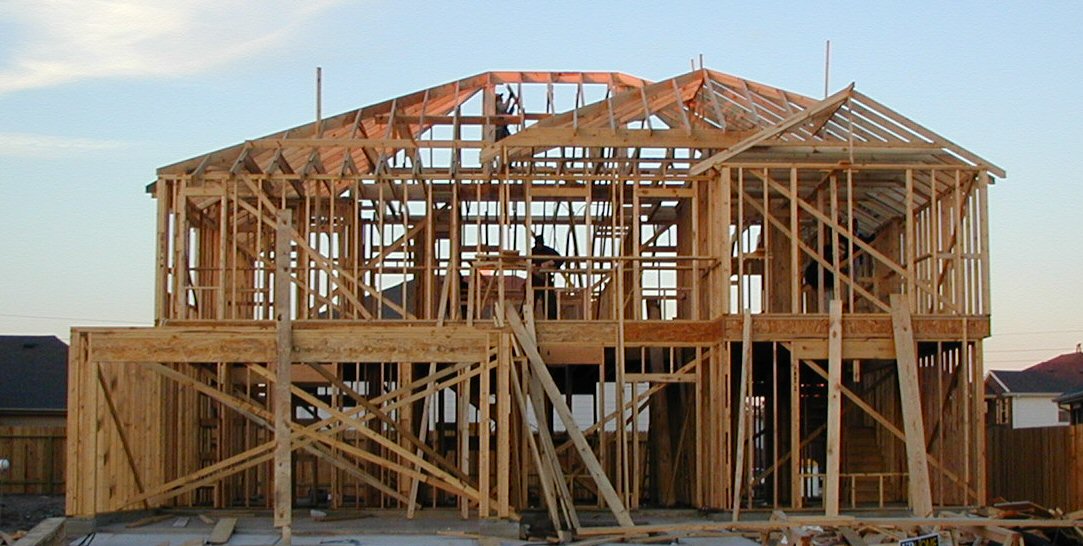
U.S. housing starts fall unexpectedly in January

In January, new residential construction in the United States showed a considerable decrease, according to data of the U.S. Commerce Department.
Housing starts dropped 3.8 percent to an annual rate of 1.099 million in January from the revised December estimate of 1.143 million.
The unexpected drop was partly due to a notable decline in single-family housing starts, which slumped 3.9 percent to a rate of 731,000. Multi-family starts also slid 3.7 percent to a rate of 368,000.
Rob Carnell, Chief International Economist at ING Commercial Banking, said, "U.S. housing starts were soft in January - though this is a month of very low housing construction activity typically, and the seasonals can distort very small underlying changes."
"Bad snowfalls in January may account for much of the decline, and we wouldn't get too carried away with what appears to be a slight softening in the trend for this sector until we get another month's data," he added. "Still, it is another warning light for U.S. activity, so not to be ignored."
The Commerce Department also said building permits, an indicator of future housing demand, edged down 0.2 percent to an annual rate of 1.202 million in January from 1.204 million in December.
 
[gravityform id="1" title="true" description="true"]
 
[gravityform id="2" title="true" description="true"]
Newsletter

Subscribe to our digital newsletter for your daily digest of essential news, views and analysis from the international wood industry delivered directly to your inbox.


0