

Titan Group’s Leszavod 25 (Sawmill 25) increased sawing volume to 1,158 thousand m3, which represents 2% increase to 2015 level. Continue reading "Titan Group’s sawmill Leszavod 25 increased production in 2016"
Article archive
Anti-dumping investigation in US continues for plywood from China

The US Department of Commerce will continue to conduct its anti-dumping and countervailing duty investigations on imports of hardwood plywood from China. A judgment on countervailing duties is due February 13, 2017, and its preliminary anti-dumping duty determination is expected around April 27, 2017. Continue reading "Anti-dumping investigation in US continues for plywood from China"
Sweden: Promotion in China pays off with high rise in softwood timber exports

China’s softwood timber imports from Sweden have been increasing in recent years due to the fact that the Sweden has organized and participated in promotional activities in China. Continue reading "Sweden: Promotion in China pays off with high rise in softwood timber exports"
Wood trade at record levels in Finland in 2016

Finland's wood trade was held at pace in 2016. The wood purchases from private forests grew by 9% compared to a 10-year average. Continue reading "Wood trade at record levels in Finland in 2016"
Indonesia sent its first FLEGT certified timber cargo to the UK

The UK received on January 16, 2017, Indonesia's first legally certified timber shipment. At the Tilbury harbor located in London, the Indonesian Ambassador to London Rizal Sukma was present to unbox the cargo.
"I'm proud to witness Indonesia's first FLEGT timber product being sent to England. This is the result of hard work from a number of parties that continuously monitored the implementation of Timber Legality Verification System (SVLK)," Rizal said.
James Lathams Ltd and Falcon Panel Product Ltd and importer agent Plaut International Ltd. were the companies to have imported the product, as reported by Tempo.Co.
"By implementing the FLEGT license, I believe that importers would place more trust regarding the legality of Indonesia's timber exports," Rizal stated.
Rizal also hopes that the Indonesia-England trade that reached US$ 127 million in 2015, would keep on incresaing in the future years.
Chairman of James Lathams, Piers Latham, welcomed the implementation of FLEGT certification on Indonesian wood products. "The FLEGT license will help assure UK-based companies about the legality of Indonesian timber and wood products", Piers said.
There were 17 cargo loads that were sent through Tilbury, Liverpool, and Grangemouth, as the Indonesian Wood Panel Association (APKINDO) recorded.
Former Leipzig subsidiaries of the bankrupt German Pellets misteriously turn back to Leibold’s family business

Peter Leibold has created the world market leader for wood pellets, which was German Pellets GmbH. In 2005, the former newspaper manager and head of a sawmill founded the pellet producer in Wismar. And since then he has created a world market leader through many acquisitions, a sense of new sales channels and large-scale overseas investments.
Now, after his company went banckrupt in February 2016, and approximately 17,000 private investors have obviously lost their deposits - an estimated EUR 270 million, Leibold flies with his private jet across Europe. Continue reading "Former Leipzig subsidiaries of the bankrupt German Pellets misteriously turn back to Leibold’s family business"
Slowing pace of EU tropical timber imports
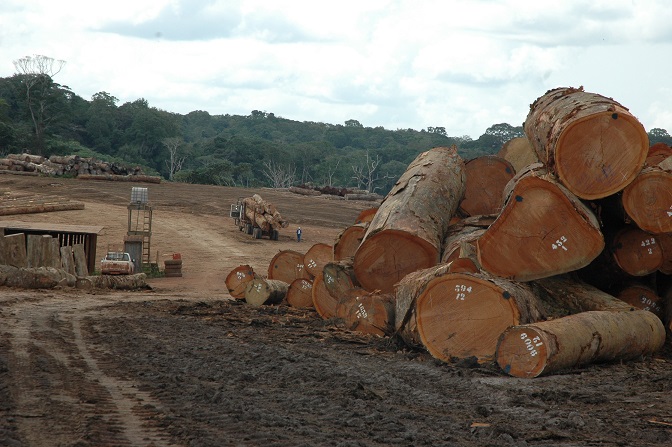
Latest trade data shows that the rising trend in the value of EU imports of tropical wood products that began in the second half of 2014 levelled off in 2016.
The stability in the euro value of tropical wood imports in the second half of 2016 may hide a slight fall in the volume of imports as European currencies weakened on foreign exchange markets during that period (which implies a rise in import prices).
The euro, trading at around US$1.15 in June 2016, had fallen to only US$1.05 by the end of the year. Even more pronounced is the fall in the British pound, which was trading at US$1.50 in June just before the country’s vote to leave the EU before declining to a 30-year low of US$1.29 in early July after the result and which now stands at just US$1.23.
Nevertheless, the dramatic slowdown in European tropical wood imports forecast for the second half of 2016 in response to currency movements and economic uncertainty in the UK following the Brexit vote failed to materialize. Prospects for the market in 2017 also look reasonably positive.
While the political situation in Europe is still uncertain, the economic recovery is gathering pace, helped by an improving global outlook, low interest rates, a significant fall in the level of unemployment, a weak euro and the end of austerity. Continue reading "Slowing pace of EU tropical timber imports"
FSC publishes revised Chain of Custody Standards
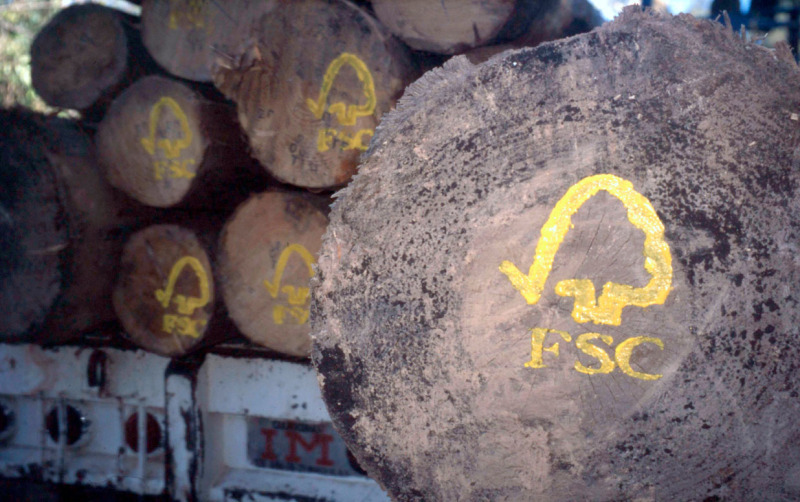
The FSC Board of Directors has approved revised FSC chain-of-custody standards FSC-STD-40-004 V3-0 and FSC-STD-20-011 V4-0. The revised standards will become effective on 1 April 2017.
The two revised standards are:
- FSC-STD-40-004 V3-0 Chain of Custody Certification (applicable to organizations that manufacture and trade FSC-certified products)
- FSC-STD-20-011 V4-0 Chain of Custody Evaluations (applicable to certification bodies evaluating organizations against FSC-STD-40-004)
The main purposes of this revision process were to simplify and streamline the chain-of-custody certification. Requirements have been simplified, including the addition of illustrative examples, tables, and graphics to clarify key concepts.
Content changes
The main content changes are the following.
- New transaction verification requirements: A new clause has been added requiring businesses to support transaction verification conducted by its certification body and Accreditation Services International (ASI), by providing samples of FSC transaction data as requested by the certification body. Further information on this will be communicated in the first quarter of 2017.
- Permitted application of percentage and credit systems at multiple site level, under certain conditions (also called “cross-site methods”): FSC will monitor the implementation of these requirements and re-evaluate them after two years.
- Refined credit system and product group requirements, including clarifying credit accounting for assembled wood products, and an extension of the credit accounting period from 12 to 24 months.
- Reduce the threshold for FSC-labelled recycled wood products from 85 per cent to 70 per cent (same threshold as required for FSC Mix products).
- A merger of advice notes and standard interpretations is incorporated into the standard.
Wood pellets price in Germany increased in January due to harsh weather conditions
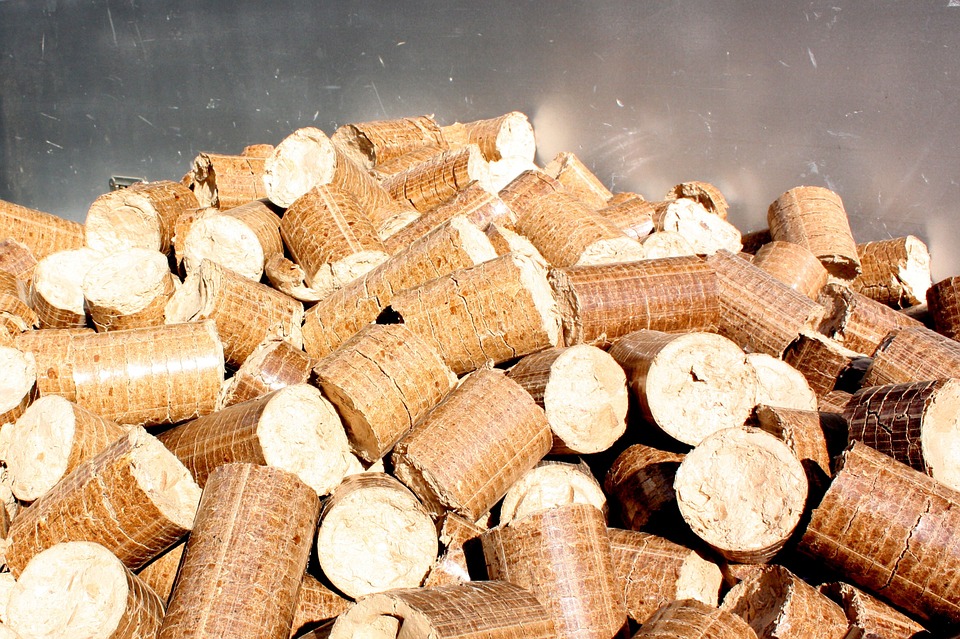
The price of wood pellets in Germany increased during January 2017 due to the wintry weather.
At the beginning of the year, the price of EN plus wood pellets reached an average of Continue reading "Wood pellets price in Germany increased in January due to harsh weather conditions"
Siempelkamp to increase its stake in Pallmann

Siempelkamp Maschinen- und Anlagenbau GmbH increases its stake in Pallmann Maschinenfabrik GmbH & Co. KG, with headquarters in Zweibrücken, Germany, to 75%.
In the range of services offered by the Siempelkamp Group, Pallmann plays an important role as the specialist for size-reduction technology and preparation systems.
For plant operators from the wood-based materials industry, size-reduction equipment and preparation systems belong to the in-demand scope of supply.
The Krefeld machine and plant engineering specialist therefore decided to continue the integration of the company from Zweibrücken. The 45% increase in shareholding in Pallmann Maschinenfabrik GmbH & Co. KG and Ludwig Pallmann Verwaltungsgesellschaft mbH, last recorded in the beginning of 2016, was increased by Siempelkamp as of December 15, 2016 to 75%.
Huge EUR 1 billion wood-processing plant planned in Estonia
A group made of Estonian investors and forest businessmen are apparently planning to build a wood-processing plant in Estonia by 2022, which may be worth one billion euros. Continue reading "Huge EUR 1 billion wood-processing plant planned in Estonia"
US housing starts set for solid growth in 2017
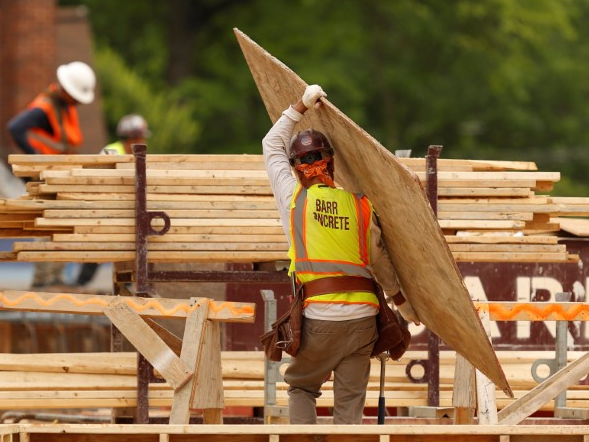
Fueled by a growing economy, solid employment gains and rising household formations, single-family production will continue on a gradual, upward trajectory in 2017.
Continue reading "US housing starts set for solid growth in 2017"
Prices for Indian teak, sawnwood and plywood in January 2017

The price list for teak, sawnwood and plywood between 1-15 January 2017.
Plantation teak prices
| US$ per cu.m C&F | |
| Angola logs | 389-574 |
| Belize logs | 350-400 |
| Benin logs | 290-714 |
| Benin sawn | 530-872 |
| Brazil logs | 344-540 |
| Brazil squares | 333-556 |
| Cameroon logs | 405-616 |
| Colombia logs | 478-743 |
| Congo D. R. logs | 450-761 |
| Costa Rica logs | 357-780 |
| Côte d'Ivoire logs | 289-756 |
| Ecuador squares | 333-454 |
| El-Salvador logs | 320-732 |
| Ghana logs | 294-452 |
| Guatemala logs | 324-646 |
| Guyana logs | 300-450 |
| Kenya logs | 515-876 |
| Laos logs | 300-605 |
| Liberia logs | 265-460 |
| Malaysian logs | 225-516 |
| Mexican logs | 295-808 |
| Nicaragua logs | 402-505 |
| Panama logs | 335-475 |
| PNG logs | 443-575 |
| Sudan logs | 358-556 |
| Tanzania, teak, sawn | 307-613 |
| Thailand logs | 511-700 |
| Togo logs | 334-590 |
| Trinidad and Tobago logs | 603-753 |
| Uganda logs | 411-623 |
| Uganda Teak sawn | 680-900 |
Price range depends on quality, length and average girth of logs.
As was the case in November, prices from the new plantation teak log suppliers remain unchanged at: Taiwan P.o.C (US$,1036 to 2,126 per cu.m C&F) and Honduras (US$471 to US$539 per cu.m C&F). Sawn teak from China (US$855 to 1,118 per cu.m C&F) and from Myanmar, (US$461-2,895 per cu.m C&F).
Prices for locally sawn imported hardwoods
| Sawnwood, (Ex-mill) (AD) | Rs. per ft3 |
|
Merbau
|
3200-3500 |
|
Balau
|
1850-1950 |
|
Resak
|
1350-1550 |
|
Kapur
|
1750-1850 |
|
Kempas
|
1250-1400 |
|
Red Meranti
|
1200-1350 |
|
Radiata pine AD
|
800-900 |
|
Whitewood
|
850-950 |
Price range depends mainly on length and cross section
Imported teak sawnwood prices
| Sawnwood (Ex-mill) | Rs. per ft3 |
| Myanmar Teak (AD) | |
|
Export Grade F.E.Q.
|
8000-15000 |
|
Plantation Teak A grade
|
6500-7500 |
|
Plantation Teak B grade
|
5000-5500 |
|
Plantation Teak FAS grade
|
4000-4500 |
Price variations depend mainly on length and cross section.
Prices for imported sawnwood
Demand for imported sawnwood has started to rise and this has lifted prices for some species.
| Sawnwood, (Ex-warehouse) (KD) | Rs per ft3 |
| Beech | 1350-1450 |
| Sycamore | 1500-1650 |
| Red oak | 1600-1750 |
| White Oak | 2200-2250 |
| American Walnut | 4250-4500 |
| Hemlock clear grade | 1300-1400 |
| Hemlock AB grade | 1250-1300 |
| Western Red Cedar | 1850-2000 |
| Douglas Fir | 1550-1750 |
Price variations depend mainly on length and cross section.
Prices fo WBP Marine grade plywood from domestic mills
Plywood manufacturers in Indian have struggled to live with rising production costs but no opportunity to raise prices due to the subdued housing sector.
However, over the past months production costs have risen even higher, mainly due to demonetization say analysts, resulting in an urgent need to raise prices.
The impact of demonetisation and the slow introduction of the new Goods and Services tax has created a tough trading environment in the country.
| Plywood, | Rs per sq.ft |
| Ex-warehouse. (MR Quality) | |
| 4 mm | 43.60 |
| 6 mm | 57.75 |
| 9 mm | 73.50 |
| 12 mm | 90.00 |
| 15 mm | 120.00 |
| 18 mm | 126.00 |
Domestic ex-warehouse prices for locally manufactured MR plywood
| Locally Manufactured Plywood “Commercial Grade” |
Rs per sq.ft | |
| Rubberwood | Hardwood | |
| 4mm | Rs.21.00 | Rs.32.50 |
| 6mm | Rs.31.80 | Rs.42.00 |
| 8mm | Rs.40.00 | Rs.51.00 |
| 12mm | Rs.49.00 | Rs.61.50 |
| 15mm | Rs.59.50 | Rs.75.00 |
| 19mm | RS.67.80 | Rs.84.00 |
| 5mm Flexible ply | Rs.42.00 | |
Source: ITTO
Improving economic prospects in Europe

While there are significant downside risks in 2017, particularly with key national elections due to be held in Germany, France and the Netherlands, prospects for the European market seem promising.
Economic surveys show that manufacturing activity and economic sentiment in the EU increased to their highest levels since 2011 in the closing months of last year.
By the end of 2016, unemployment in the 19-nation euro zone had fallen to its lowest point in more than seven years: 9.8% according to Eurostat compared to over 20% a year earlier.
The big question in Europe this year is whether fragile economic growth and unprecedented central-bank stimulus will be overtaken by populist politics which could threaten the future of both the euro and the European single market.
But while Europe’s political calendar in 2017 certainly creates uncertainty, it might also offer opportunities.
In a recent interview for CNBC, Francesco Garzarelli, cohead of global macro and markets research at Goldman Sachs noted that a potential right-wing president in France could lead to a stronger reform agenda in Europe. "If France were to change gear and become more inclined to move forward into reforming its economy I think that will force the likes of Italy, Portugal, Greece to do the same," Garzarelli said.
In fact, more economic analysts now seem inclined to give Europe the benefit of the doubt and are suggesting that growth will exceed expectations. According to a research team led by Anais Boussie, writing in the Credit Suisse European Economics note on 9 January, "The euro area is set to deliver an upside growth surprise this year. Market expectations for growth are too low, in our view. Growth should strengthen on the back of stronger global trade and a pick-up in construction activity. It should remain supported by consumer spending, for which the fundamentals are improving,"
The Credit Suisse team forecast that GDP in the euro-zone will rise by a sturdy 2.0% in 2017, growth that will be underpinned by consumer spending. Instead of being fuelled by things like low oil prices, Credit Suisse reckon consumer spending will grow thanks to improving fundamentals like labour demand.
They also note that "construction investment has contributed positively to growth for the past six quarters, and appears to be accelerating”.
Credit Suisse are confident that "the risk of deflation in the euro area has largely disappeared and headline inflation is set to rise sharply in the first half of 2017 as the strong dampening effect from past oil price declines fades away." They also expect that the European Central Bank will be “dull” (a positive trait after a few too many “interesting” years) – quantitative easing will continue to provide greater liquidity at least until the end of the year while the base interest rate is likely to remain unchanged.
Exports of softwood timber from Belarus to EU jump by 35% due to log export ban
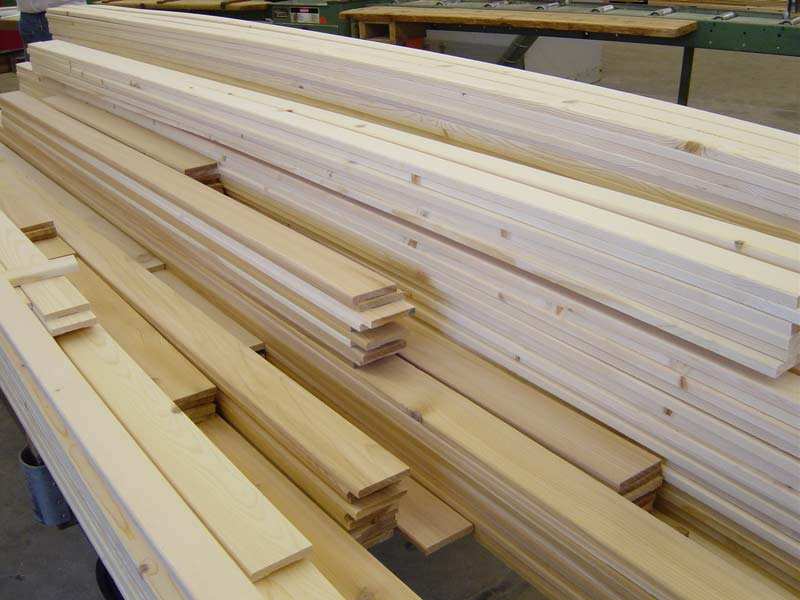
As Belarus decided to ban exports of unprocessed wood starting January 1st, 2016, logs deliveries to Europe have stopped.
The move was a decision of the Belarusian president, Aleksandr Lukashenko which was meant to raise the volumes of wood processed inside the country.
Accordingly, the softwood timber exports from Belarus to the European Union countries have jumped in the first 9 months of 2016, by 35%, to a total of 967,360 m3, and well over EUR 100 million.
Germany was the top European importer, with EUR 35 million worth of Belarusian softwood timber (309,918 m3). Imports to Lithuania increased by 36% and the ones to Latvia by 59%, reaching volumes of 194,425 m3 and 156,386 m3, respectively.
| EU softwood Timber imported from Belarus by... (in m3 ) | I-IX 2015 | I-IX 2016 | Change in % | |||
|
714,563 | 967,360 | 35 % | |||
|
235,957 | 309,918 | 31 % | |||
|
143,133 | 194,425 | 36 % | |||
|
98,210 | 156,386 | 59 % | |||
|
70,975 | 103,189 | 45 % | |||
|
44,212 | 73,524 | 66 % | |||
|
122,076 | 129,918 | 6 % |
| EU softwood Timber imported from Belarus by... (in EUR ) | I-IX 2015 | I-IX 2016 | Change in % | |||
|
93,118,963 | 115,705,851 | 24 % | |||
|
29,440,363 | 35,284,622 | 20 % | |||
|
19,690,040 | 24,744,715 | 26 % | |||
|
13,168,375 | 19,313,537 | 47 % | |||
|
9,764,906 | 8,920,233 | -9 % | |||
|
5,836,271 | 8,646,365 | 48 % | |||
|
15,219,008 | 18,796,379 | 24 % |
UK’s BSW Timber blames rising logs price for full-year loss

BSW Timber has had a £5.5 million pre-tax loss on turnover of £245m, reversing a £9m profit last year due to an increase in the logs price and the uncertain market. Continue reading "UK’s BSW Timber blames rising logs price for full-year loss"
Chinese furniture enterprises take over Vietnam’s wooden furniture industry

The Chinese wooden furniture businesses are looking for new timber material resources due to the Chinese government's decision to close the natural forests in China by 2017.
Thus, Vietnam has become one of the top destinations for timber material and over 500 foreign-invested businesses in China now operate in Vietnam, out of which one-third are from China and Taiwan. Continue reading "Chinese furniture enterprises take over Vietnam’s wooden furniture industry"
US sawmills produced 2.8% more softwood lumber in the first 10 months of 2016
FSC wants to address false claims in the FSC system
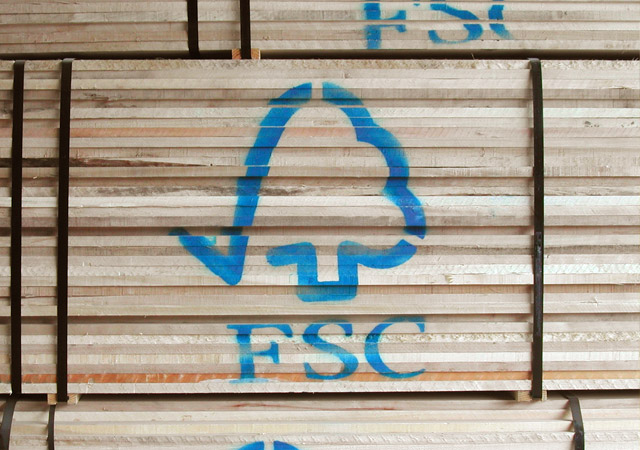
The Forest Stewardship Council’s (FSC) international Board of Directors has approved a new approach for addressing misleading and false claims in the FSC system. The set of actions compliments the newly revised CoC standard.
These actions include rapid transaction audits by Accreditation Services International (ASI); ASI-initiated investigations performed by certification bodies; creation of a mechanism for stakeholders to submit complaints about potential false claims; and randomized, obligatory fibre testing of products selected through the FSC fibre testing programme.
Furthermore, FSC will look at changing its normative and legal agreements to allow FSC to take action against false claims when detected, and to introduce legal and financial consequences for those caught intentionally misusing the FSC system or FSC labels.
From 2017 onwards, FSC will start testing different methods for verifying FSC claims. Amongst these are sampling of transactions for verification between trading parties, further testing of the Online Claims Platform in selected high-risk supply chains, and investigating the feasibility of digital claims and blockchain technology.
“Millions of consumers and thousands of businesses trust the FSC label, and we must do what we can to ensure that we maintain that trust” says Kim Carstensen, Director General of FSC. “Now that our system has grown to include more than 50,000 certified businesses around the world, we hope these new transaction verification requirements will reduce the number of false claims in the system, and protect the integrity and credibility of FSC.”
Declining trend for Russian softwood timber prices reversed in 2016

The price for Russian softwood lumber, denominated in US dollars, began to decline starting 2014, following the devaluation of the Russian ruble and the fall in world oil prices.
The decline in world market prices of lumber consumption continued throughout 2015 and at the end of 2015 the decline was 25% in average prices in 2014, while the Russian ruble depreciated by 69% against the US dollar during the same period. Continue reading "Declining trend for Russian softwood timber prices reversed in 2016"

