

Global sawlogs prices fell again in the 3Q/16 after a temporary increase in the 2Q/16, following an almost two year-long downward trend. The Global Sawlog Price Index (GSPI) has fallen by 14.3% in two years and currently is almost 12% below the ten-year average.
Article archive
Finnish maker of Honka homes rejects Russian Sistema buying offer

Sistema Finance S.A. announced on 3 November 2016 that it was making a voluntary public cash purchase tender offer to buy all A shares and B shares issued by Honkarakenne Oyj. The Company announced had received a notice from its main owner, Saarelainen Oy, that Saarelainen Oy will not accept the proposed tender offer.
The tender period began on 11 November 2016 and will end on 16 December 2016, unless the period is extended or the extended tender period is suspended.
Honkarakenne's Board of Directors has evaluated possible alternative arrangements to the offer, and has also asked the Company’s Board of Executives and its President and CEO for their opinion. The statement by the Company’s Board of Executives declares that it does not see significant, possibly achievable synergy benefits with GC Segezha LCC and JSC Sokol Woodworking Plant that belong to the Sistema Group. In connection with the Board of Executives’ expression of opinion, the Board of Directors also received a notice from the Company’s President and CEO that he does not accept the tender offer.
The Board of Directors notes that the Offer Price’s premium of 14.5% is lower than the average for tender offers in the Nordic countries, particularly in situations in which – as in the case of Honkarakenne Oyj – the liquidity of shares in the target companies has been low and, for this reason, the market price does not adequately reflect the financial prospects of the target companies.
The Board of Directors notes that the Offer Price is the same for the Company’s Series A and Series B shares. In the opinion of the Board of Directors, it would be justified to value the Series A shares, which hold greater voting rights, as more expensive than the Series B shares, which possess only a small dividend benefit.
US Commerce Department launches investigation against China plywood products
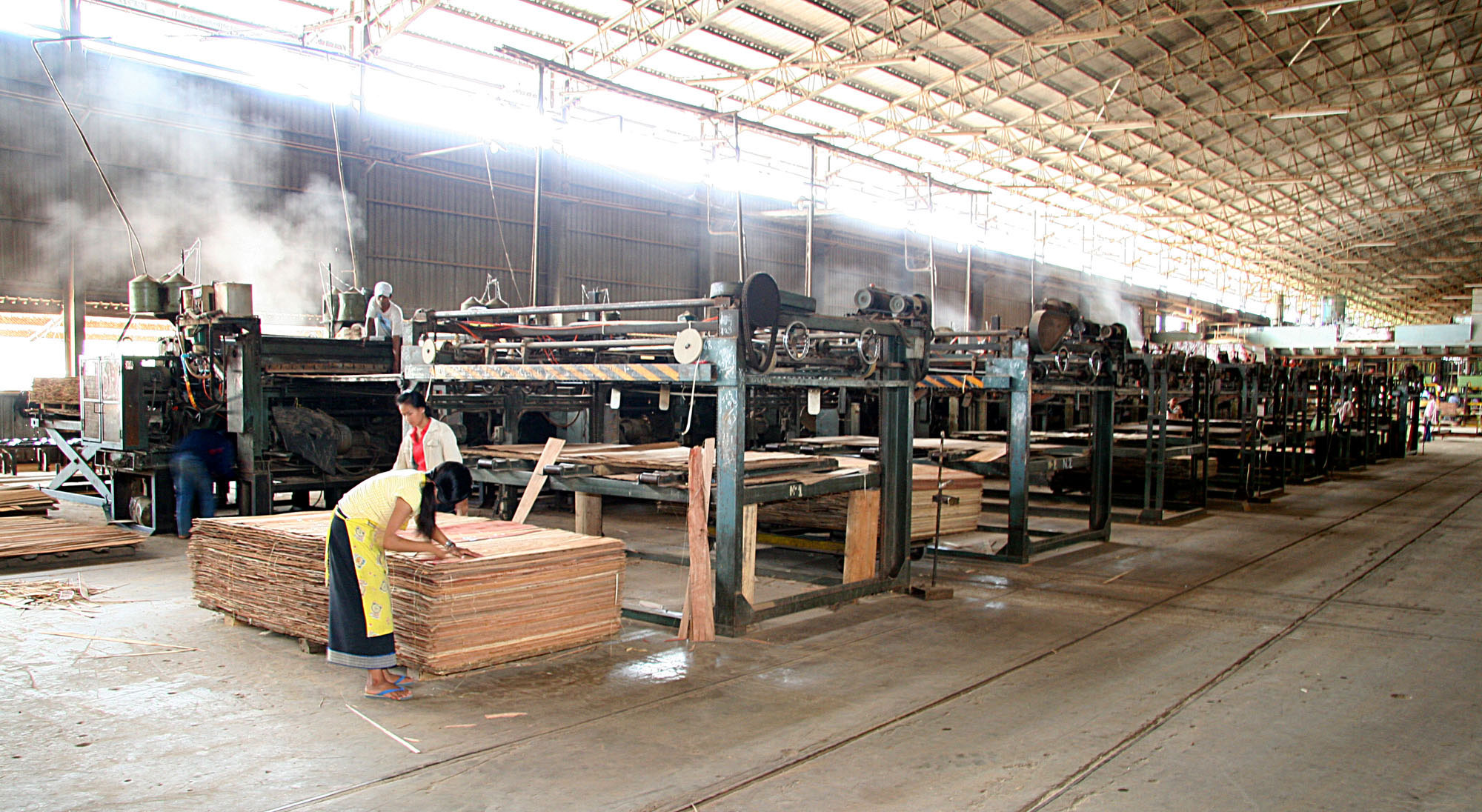
Antidumping duty and countervailing duty investigations are going to be launched on certain hardwood plywood products from China, announced the US Commerce Department. Continue reading "US Commerce Department launches investigation against China plywood products"
IKEA designers explores bamboo as new material for furniture

IKEA has recently announced that its design team is currently searching for new materials to make furniture. Continue reading "IKEA designers explores bamboo as new material for furniture"
Global forestry sector corruption costs $29 billion annually, Interpol report shows

Interpol has recently released a report on the scale of corruption in the global forestry sector. The report also highlights the importance of law enforcement efforts across national boundaries in order to protect forests. Continue reading "Global forestry sector corruption costs $29 billion annually, Interpol report shows"
Lumber prices in US rise at the beginning of December

Framing lumber sales got to moderate from the strong finish last week. Yet, the prices held firm purchases.
Producers were supported by solid order files, some of which stretched to or near scheduled year-end shutdowns. Trading shifted to the secondary level, where wholesalers offered ample loadings for quicker shipments and prices that usually trailed mill quotes.
Most gains in key prices pushed the Random Lengths Framing Lumber Composite Price up $4.
| This Week Dec 9 |
Last Week Dec 2 |
Year Ago 2015 |
|
| Random Lengths Framing Lumber Composite Price* | $359 | $355 | $312 |
| KD Western S-P-F #2&Btr 2x4 R/L Mill Price | 324 | 324 | 256 |
| KD Eastern S-P-F #1&2 2x4 R/L, delivered Great Lakes | 406 | 403 | 357 |
| Green Douglas Fir Std&Btr 2x4 R/L (Portland) | 342 | 338 | 292 |
| Southern Pine (Westside) #2 2x4 R/L | 437 | 434 | 399 |
| KD Coast Hem-Fir #2&Btr 2x4 R/L | 347 | 342 | 312 |
| Ponderosa Pine (Inland) #2&Btr 1x12 R/L | 620 | 625 | 660 |
| * Weighted average of 15 key items | |||
Random Lengths Panel Market Report
Structural panel trading was active and prices posted solid gains. OSB buyers who had been hesitant to cover their needs showed a growing willingness to step into the market as more mills pushed order files through December.
Southern Pine plywood sales started out slow, but gained momentum as the week progressed. Western Fir plywood trading was solid early in the week. Buyers scrambled to cover needs Thursday after news spread of a mill announcing it would close within the next couple of months.
| (f.o.b. mill prices) | This Week Dec 9 |
Last Week Dec 2 |
Year Ago 2015 |
| Random Lengths Structural Panel Composite Price* | $366 | $364 | $360 |
| Southern (west-east) 15/32-inch 3-ply rated sheathing plywood | 348-380 | 348-380 | 360-395 |
| Southern (west-east) 15/32-inch 4-ply rated sheathing plywood | 348-385 | 350-385 | 362-400 |
| Western 1/2-inch 4-ply rated sheathing plywood | 360 | 350 | 340 |
| North Central 7/16-inch Oriented Strand Board | 282 | 282 | 245 |
| *Weighted average of 11 key items | |||
US export duties on Canadian lumber forecast to cause market chaos

U.S. duties on Canadian lumber exports to the U.S. are expected to cause short-term chaos after they are announced in early Q2/2017. This new development alone completely changes all previous outlooks as a new approach to "managed trade" by the U.S. kicks off the 5th U.S.-Canada lumber war. Continue reading "US export duties on Canadian lumber forecast to cause market chaos"
Highland Pellets opened 600,000 t wood pellet plant in Arkansas

Highland Pellet’s 600,000 metric-ton wood pellet plant in Pine Bluff, Arkansas, is officially open and undergoing commissioning, expecting to be producing pellets by the end of the year. Continue reading "Highland Pellets opened 600,000 t wood pellet plant in Arkansas"
IMA Klessmann GmbH expands production capacity in Lubbecke, Germany

IMA Klessmann GmbH started construction of an additional production hall in October. The new production facilities, with a total area of about 10,000 square feet, will be used for the assembly, installation and initial commissioning of fully automatic digital facilities for batch size 1 production and should be ready for use in June 2017. Continue reading "IMA Klessmann GmbH expands production capacity in Lubbecke, Germany"
Spruce logs prices stable in Northern Germany
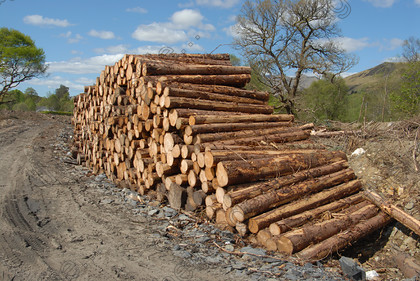
In northern Germany, prices for spruce logs (Lower Saxony, Schleswig-Holstein, Mecklenburg-Vorpommern) remained stable in the fourth quarter. The valid contracts were signed in the third quarter or the middle of the year. For segments 2b + BC reference, the price is around 85-90 EUR / m3. The price differential between the section of classes is generally between 8 and 10 EUR / m3. Some also speak EUR 5 / m3.
In parts of northern Germany, timber volumes are credited with a few euros more than the segments. The pallet timber is offered in two sections. The lower section is selling well at 30 EUR / m3, but can go up to 43-44 euros / m3. The upper sections are sold at 56-58 EUR / m3.
Shortly, the negotiations on the contracts for the first quarter 2017 will be fastened.In general, it is expected a marginal price increase in the range of 2 to 3 EUR / m3.
Spruce logs prices in northern Germany in EUR / m3 roadside, as of December 2016:
| Section class | Prices in EUR / m3 |
| BC 1a | 50-53 |
| BC 1b | 65-69 – 80 |
| BC 2a | 74-78 – 85 |
| BC 2b+ | 83 – 85-87 – 90 |
| D / small section Pallet timber | 30-31 |
| D/Pallet timber long section | 56-58 |
Italy imports more tropical timber despite economic problems

Imports of tropical timber products into Italy have made gains in 2016 despite the country’s continuing economic problems.
The value of imports of all tropical timber products into Italy increased 13% to euro163.3 million in the first nine months of the year. This year there has been a rise in the value of Italy’s imports of sawnwood from Cameroon and Myanmar, veneer from Ivory Coast and plywood from Indonesia.
The rise in Italy’s tropical timber imports in 2016 is an encouraging trend in a country which remains in economic crisis.
Domestic demand is poor, manufacturing capacity has reduced significantly in recent years and even the once buoyant export industries of wooden doors, kitchen cabinets and furniture are facing increasing competition and lower demand.
Some of the gains in Italy’s tropical wood imports this year are being made at the expense of temperate hardwoods, such as American tulipwood which competes with lighter tropical woods in the mouldings sector. Some larger Italian importers are also offsetting weak local markets by expanding sales elsewhere in the EU.
Sustainable Forest Biomass in the light of COP21 (Paris) conference at the European Parliament
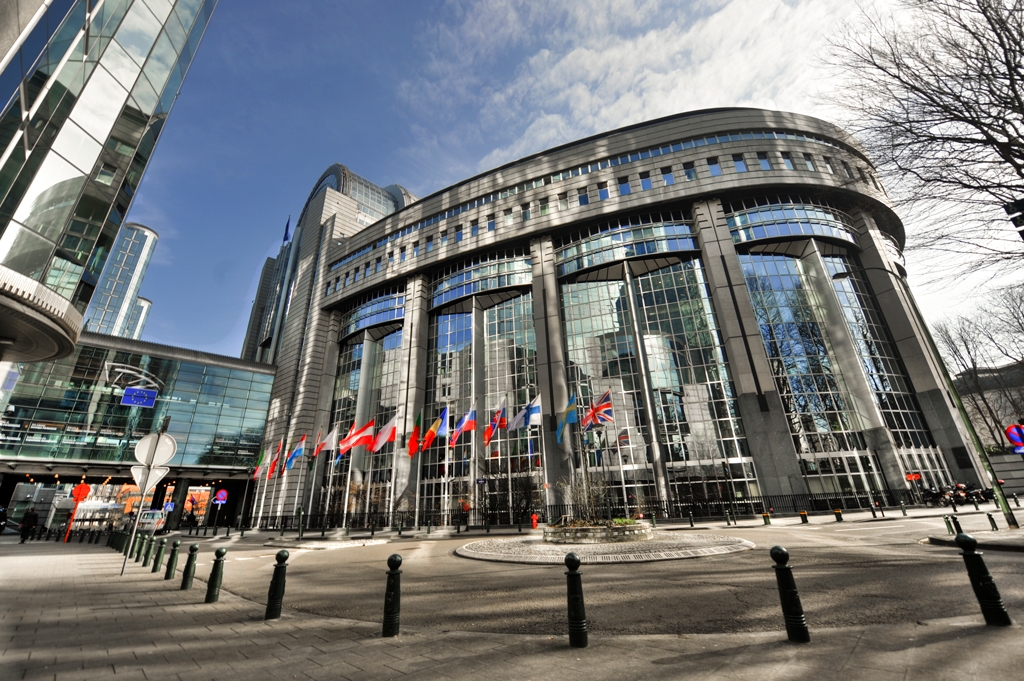
On the 1st of December, the EOS Secretariat has participated in the conference Sustainable Forest Biomass in the light of COP21 (Paris) held at the European Parliament, which gathered high-level policymakers, state forest management representatives and other stakeholders, who discussed the potential of European forests and forest-based products to be at the core of the EU climate change and energy agenda, focusing in particular on the solutions and approaches implemented by state forest management organizations.
European forests and forest-based products have a great potential to contribute to climate change mitigation. Recent research indicates that each year Europe’s forests and harvested wood products, including their substitution effect (using biomass to replace fossil fuels or other highly energy consuming materials), compensate approximately 13 % of the EU’s total CO₂ emissions. Bioenergy currently represents 60% of the EU’s total consumption of renewables. The majority of bioenergy is generated from biomass from sustainably managed forests and can be used for heating, electricity generation and transport fuels. Currently, woody biomass from forests and residues is the largest source of renewables in Europe and its share is expected to grow by 2030.
The Paris Agreement sets out a plan to effectively decarbonize economies by mid-century. State forests are well positioned to be at the core of the EU climate change agenda and can play a leading role in the development of a vibrant European bioeconomy.
The event was co-hosted by MEP Pavel Poc (CZ, S&D), Chair of the European Parliament Intergroup on “Climate Change, Biodiversity and Sustainable Development” and MEP Jytte Guteland (SE, S&D), Member of the Committee of Environment, Public Health and Food Safety. The two MEPs gave the initial speeches. Mr Poc centered his speech on the fact that forests provide not only wood production but also important societal services, and they are an important climate regulator and source of biodiversity. When legislating, legislators should bear this in mind. Mrs Gutteland, instead, showcased the Swedish model, emphasizing that it allows both protecting and profiting from forests (the carbon sink provided by Swedish forests is not expected to decline with time). She cautioned, however, against adopting one-size-fits-all policies, as every country has its own particularities.
Eustafor President Per-Olof Wedin stressed that forests have an important role to play when it comes to achieve the post-2020 European climate and energy targets. Indeed, forest biomass is crucial to increase the share of renewable energy across Europe, while forests act as a carbon sink. The condition underlying these concepts is that biomass must be sustainable. From the point of view of the forest, no extra regulation is needed to guarantee the sustainability of biomass.
The audience was then addressed by a video message delivered by Phil Hogan (European Commissioner for Agriculture and Rural Development). Mr Hogan expects forests to greatly contribute to be decarbonization of the European economy, provided that the development of forest biomass is done in a smart and sustainable way.
Giulio Volpi from DG Energy also emphasized that bioenergy will have to play an important role in the European energy mix. Unlike other energy sources, biomass is abundant in Europe, which is consistent with the objective to secure safe supplies. Bioenergy development, in his view, has also a key role in terms of employment and economic development in rural areas, climate protection and innovation. Also, he briefly discussed about the revised Renewable Energy Directive: the main aim for 2030 is to make sure that Europe will have a 27% share in renewable energy sources on total energy consumption (2020: 20%). Moreover, to achieve this, there will not be national binding targets, but only target is at EU level. No sector specific targets either are foreseen. An EU cap for gradually reducing the share of food-based biofuels by 2030 is also implemented. Regarding biomass production, improved sustainability criteria for agriculture biomass are introduced, together with new sustainability criteria for forest biomass.
Marcus Lindner of the European Forest Institute stressed that at present there is no clear scientific consensus on the hotly-debated topic of bioenergy carbon neutrality. He also reminded that the climate impact of bioenergy is critical for the EU. He argued, however, that it looks difficult to meet long-term climate targets without conspicuously relying on bioenergy. Impact of bioenergy on net greenhouse gases emission savings is context- and feedstock-specific because many important factors vary across regions and time. There can be trade-offs between carbon sequestration, storage and biomass production – and between short-term and long-term climate objectives. He argues for policies where promotion of bioenergy and other non-fossil energy options lead to fossil fuel displacement, rather than competition among non-fossil options. As stated by MEP Guteland, he agrees that one-size-fits-all policies are not optimal.
The conference was concluded by speeches delivered by Olof Johansson (Sveaskog, Sweden), Daniel Szórád (CEO, Lesy České Republiky), Pentti Hyttinen (CEO, Metsähallitus, Finland) and Roland Kautz (Österreichische Bundesforste, Austria) who gave examples of how state forests promote sustainable forest management and a greater use of wood, particularly to replace other resources and products which are detrimental to the climate.
Article originally published by EOS.
German furniture trade forecast to reach EUR 28 billion turnover in 2016
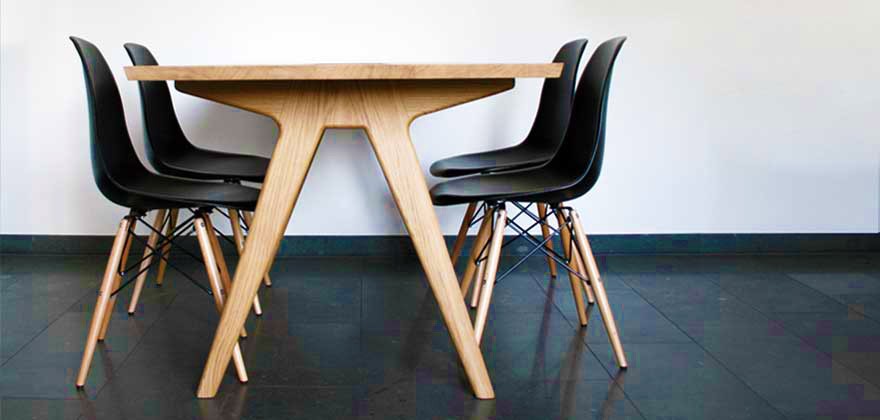
BVDM, the association of German furniture, kitchen and interior finishing dealers, expects a EUR 28 billion net turnover (excluding VAT) in 2016 in the German furniture and kitchen trade. This represents a 1.5% increase over 2015.
During the first 5 months of this year, the turnover increased by 3.4% as compared to the same period of 2015. Also, the economic figures of the Federal Statistical Office substantiate the BVDM forecast.
At least stable turnover development is expected up until the end of the year. Especially long-term trends such as the development in housing construction, but also the low inflation rate and low interest rates, are having a positive impact on turnover in the furniture and kitchen trade.
Moreover, the BVDM expects a growth in demand due to the influx of persons from the refugee regions.
Softwood timber prices in Austria stable in December

Prices of softwood timber in Austria were at a stable level in December 2016. Only the price of reserve squared timber moved slightly up at the end of the year. Otherwise, the prices are on a par from November.
For boards' assortments the price range has increased. The lower limit price has fallen, while the upper has surged.
Compared to December 2015, mainly rough boards are cheaper. Also edged boards' price declined slightly. Reserve square timber and boards registered minimal price movements.
| Softwood Lumber Spruce/Fir | Dec. '15 | Nov. '16 | Dec. '16 | Change Dec. '15 to '16 € / cbm EXW |
| Edged Boards, 0-IIIa, 23 mm + | 231-243 | 231-241 | 231-241 | - / -2 |
| Rough boards in fixed dimensions, 18-22 mm | 231-243 | 228-240 | 228-239 | -3 / -4 |
| Squared timber, standard dimensions, I/II, 4-6 m | 209-216 | 206-215 | 208-216 | -1 / - |
| Reserve squared timber, II/III | 153-160 | 154-160 | 154-161 | +1 / +1 |
| Boards, III-IV, 8-16 cm, 4-6 m | 146-152 | 147-154 | 146-154 | - / +2 |
| Boards, III-IV, 8-16 cm, just 4 m | 147-154 | 148-154 | 147-155 | - / +1 |
| Boards, III/IV, 23 mm, 4-6 m | 149-154 | 149-155 | 148-156 | -1 / +2 |
| Boards, III/IV, 28 mm +, 3-6 m | 157-164 | 157-164 | 157-165 | - / +1 |
EIA accuses FSC of allowing certification for Holzindustrie Schweighofer despite evidence of stolen wood
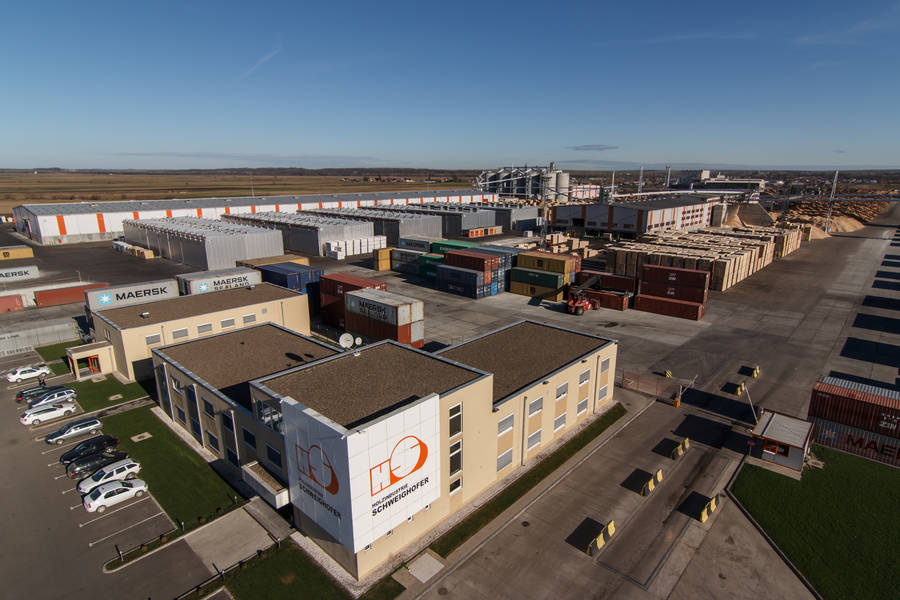
The Forest Stewardship Council (FSC) released a report on the 7th of December claiming that one of Europe’s largest timber processors, the Austrian firm Holzindustrie Schweighofer, is sourcing illegal timber. Continue reading "EIA accuses FSC of allowing certification for Holzindustrie Schweighofer despite evidence of stolen wood"
Continuous fall in French imports of tropical timber

French imports of tropical timber products have declined again in 2016.
The value of imports of all tropical timber products into France fell -8.7% to EUR 233.1 million in the first nine months of the year. Continue reading "Continuous fall in French imports of tropical timber"
China’s dependence on wood and wood products imports increasing rapidly

In spite of the fact that China is one of the biggest wood product producers in the world, the annual output of China’s wood industry is always far from meeting its market demand. Statistics have shown that China’s dependence on the imports of wood and wood products is increasing rapidly year by year, and this trend is unlikely to change or slow down especially when the blanket ban on commercial logging is going to be put into effect in 2017. Continue reading "China’s dependence on wood and wood products imports increasing rapidly"
New WTO measures might affect China’s wood trade with the US, Malaysia, Mexico and South Korea
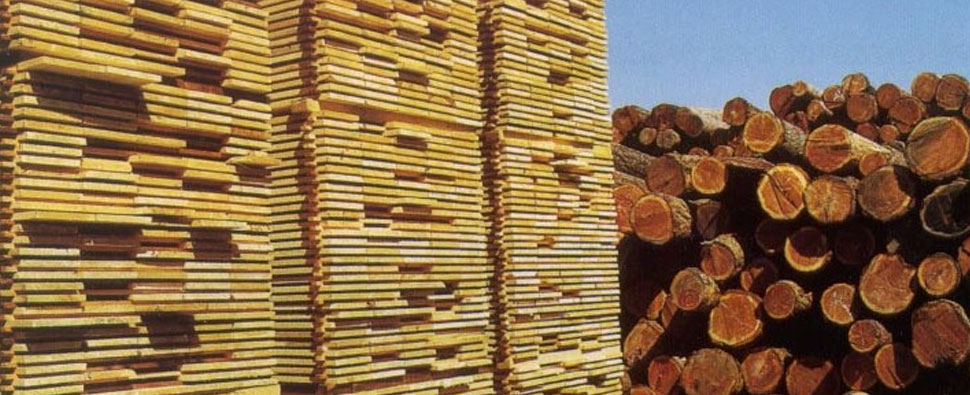
The World Trade Organization (WTO) Secretariat has released bulletins which will affect trade with the United States, Malaysia, Mexico, South Korea. The bulletins are number below. Continue reading "New WTO measures might affect China’s wood trade with the US, Malaysia, Mexico and South Korea"
Norbord’s OSB expansion in the UK ongoing

Norbord announced modernization and expansion of its OSB mill in Inverness, the UK. Continue reading "Norbord’s OSB expansion in the UK ongoing"
FSC places the Schweighofer Group on probation for disassociation
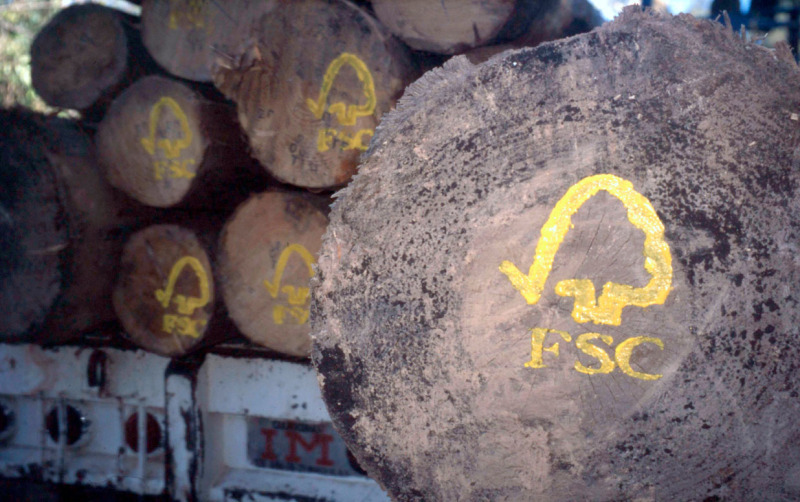
The Forest Stewardship Council (FSC) has decided to place the Schweighofer Group on probation for possible disassociation for involvement in irregularities and illegalities in its timber trade operations and in illegal logging by its Romanian forest land enterprise.
Under probation, the Schweighofer Group is required to meet a number of conditions prior to the next meeting of the FSC International Board of Directors to be held from 7th to 10th February 2017. If the group fails to do so, the board will then decide for disassociation. Continue reading "FSC places the Schweighofer Group on probation for disassociation"

