

The IKEA Group said that it had sold key subsidiaries for 5.2 billion euros as part of an overhaul to help the furniture retailer react to new competition and shifts in consumer preferences away from its vast out-of-town stores. Continue reading "IKEA sold key subsidiaries for 5.2 billion euros"
Article archive
Södra upgrades Långasjö sawmill in Sweden
Södra Wood invests into a new profiling line at its sawmill in Långasjö, Sweden. With the investment the company plans to replace one of its band saw lines. According to the announcement, the company placed the order for the line with AriVislanda. The project will be accomplished in the summer 2017.
The new new line is expected to get the best currently available technology level of what is available. This includes 3D-scanning with rescan for auto log rotation, profiling with scewing technique, controlled curve sawing to mention some functions. Each log will be optimized to give the best possible yield and in combination with a high throughput achieve a sustained profitabillity.
As reported earlier by GWMI, Södra sold Södra Wood Grimslöv to Sörnsen Group.
Overview and forecast for the global wood pellet markets in 2017
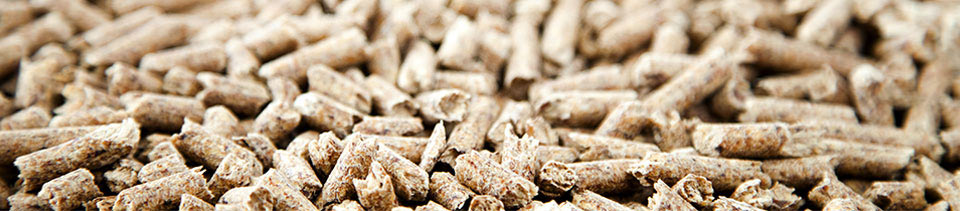
The past few years have been challenging for wood pellet producers and pellet production project developers. A temporary plateau in demand growth for new co-firing or full conversion power plant projects in the industrial pellet market has led to an excess of production capacity.
Continue reading "Overview and forecast for the global wood pellet markets in 2017"
Effects of 30%+ duties on the Canadian lumber exports to the US

The topic of export duties on Canadian lumber exports to the U.S. is now revving up, given the announcement by the US ITC this week. Continue reading "Effects of 30%+ duties on the Canadian lumber exports to the US"
Roundwood prices in Lithuania mostly decreased in September
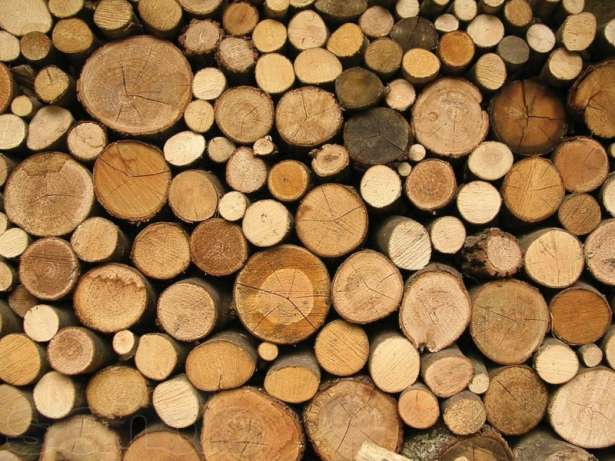
Roundwood prices in Lithuania mostly decreased during September 2016, as compared to the same same month of 2015. The prices for sawlogs went all down, except for spruce. Continue reading "Roundwood prices in Lithuania mostly decreased in September"
Stora Enso invests in biocomposite granules in Hylte, Sweden
Stora Enso is investing EUR 12 million to build a new production line that will manufacture biocomposite granules at Hylte Mill in Sweden. Biocomposite granules enable the use of renewable wood to substitute a large portion of the fossil-based materials in products typically produced in plastics. Production is scheduled to begin during the first quarter of 2018. The annual capacity will be approximately 15 000 tonnes per year. The ramp-up of the new production line and a new type of manufacturing is expected to take 2–3 years.
“This investment is part of Stora Enso’s transformation into a renewable materials company and demonstrates our ability to provide an innovative and more sustainable alternative to plastics. With this new biocomposite production line, we are well positioned to capture growth opportunities in climate and environmental friendly materials,” says Jari Suominen, EVP, Head of Stora Enso’s Wood Products division.
According to the company, once finalised, the investment will increase Stora Enso’s Wood Products sales by approximately EUR 25 million and will exceed the division's profitability target, operational return on operating capital (ROOC) of 18%. The biocomposite business will belong to the Wood Products division.
Biocomposite granules are a mix of wood fibres, polymers and additives and are used as raw material for injection moulding and the extrusion of products traditionally manufactured solely from plastic. The material can be used in a wide range of products from consumer goods (dish brushes, pots, etc.) to industrial applications, such as pallets or load bearing structures reinforced by glass fibre.
Central/West Africa: No recent major price movements for logs and sawnwood
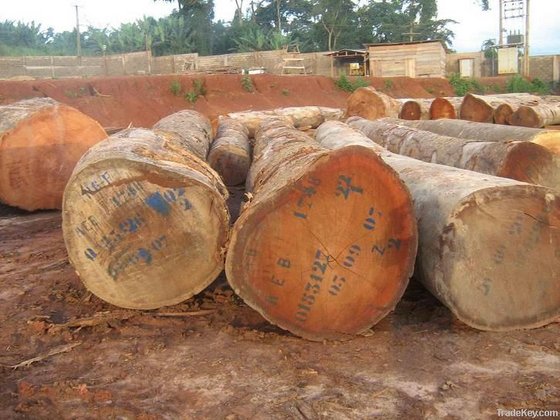
A few minor price changes have been reported but overall, demand is slow but steady in Central/West Africa. With the Christmas and New Year holidays approaching fast European buyers have scaled back on new orders.
While demand is currently quiet, exporters point to the firming price trend seen over the past months and this, coupled with some encouraging signals in the Chinese and India markets, have boosted sentiment among exporters.
Sapele and sipo prices eased notably in 2016 and so far there are no indications that demand or prices will improve in the short term Continue reading "Central/West Africa: No recent major price movements for logs and sawnwood"
Positive outlook for the US hardwood flooring market

Hardwood flooring had the second-largest market share after carpet in the US$23.14 billion US floor covering market in 2015, according to a market research study. Hardwood flooring accounted for US$3.79 billion with imports at US$1.23 billion in 2015.
Over half of the hardwood flooring market is in residential replacements, followed by new residential construction (25%). The remainder of the market is primarily commercial hardwood flooring (new and replacement).
The outlook for hardwood flooring in the US is positive since residential and commercial construction and renovation are expected to continue growing.
The laminate flooring market accounted for US$912 million in 2015. Laminate flooring has lost market share to vinyl tile and other hard surface flooring materials. High formaldehyde emissions found in some imported laminate flooring from China has had a negative effect on the image of laminate flooring.
Source: Catalina Research (2016)
Dafeng port now the largest timber processing and trade base in East China

According to local analysts the development of the timber industry around Dafeng Port benefits from competitive advantages in terms of land resources, shipping costs, traffic environment and trade developments.
Dafeng Port is a sea port and has been listed by the state government as one of the main ports along the east coast of China. The district has been included in the Shanghai Economical Zone and the Yangtze Delta Economical Circle.
The area for development at Dafeng Port extends to around 800 hectares and prices for land on this site are lower than in surrounding areas.
The Port boasts 18 berths capable of handling some 200,000 containers. Dafeng Port soon be linked to the high-speed rail network and the timber industry zone will be connected to 11 provinces and cities by sea/rail transport. The inspection and quarantine treatment centre for imported timber has been completed and underwent trials in 2106.
Currently, some 60 enterprises with a combined output of 2 million cubic metres of wood products have settled in the Port’s timber industry zone. It is thought by local analysts that Dafeng Port will become the largest timber processing and trade base in East China.
Siempelkamp delivers chipboard plant in Qingdao, China
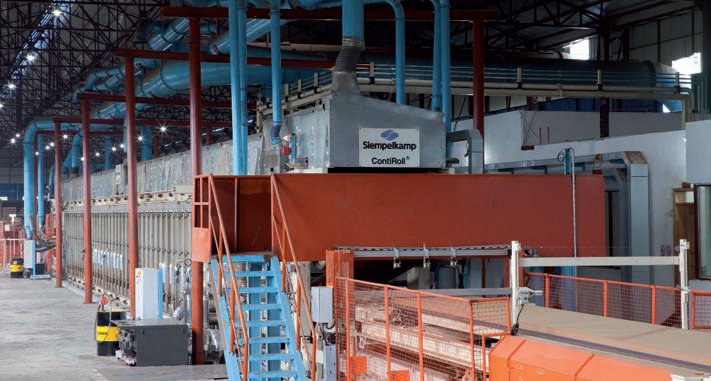
The Chinese Lian Jiang Huasen Wood Industry Co., Ltd ordered a press line for the production of particleboard for its production site in Lianjiang, Zhanjiang City.
Lian Jiang Huasen Wood Industry Co., Ltd, founded in 2007, is currently manufacturing 100,000 m³ of MDF annually and has established itself as leading wood-based materials manufacturer in the GuangDong province. Continue reading "Siempelkamp delivers chipboard plant in Qingdao, China"
Ukraine bans exports of pine logs as of January 2017
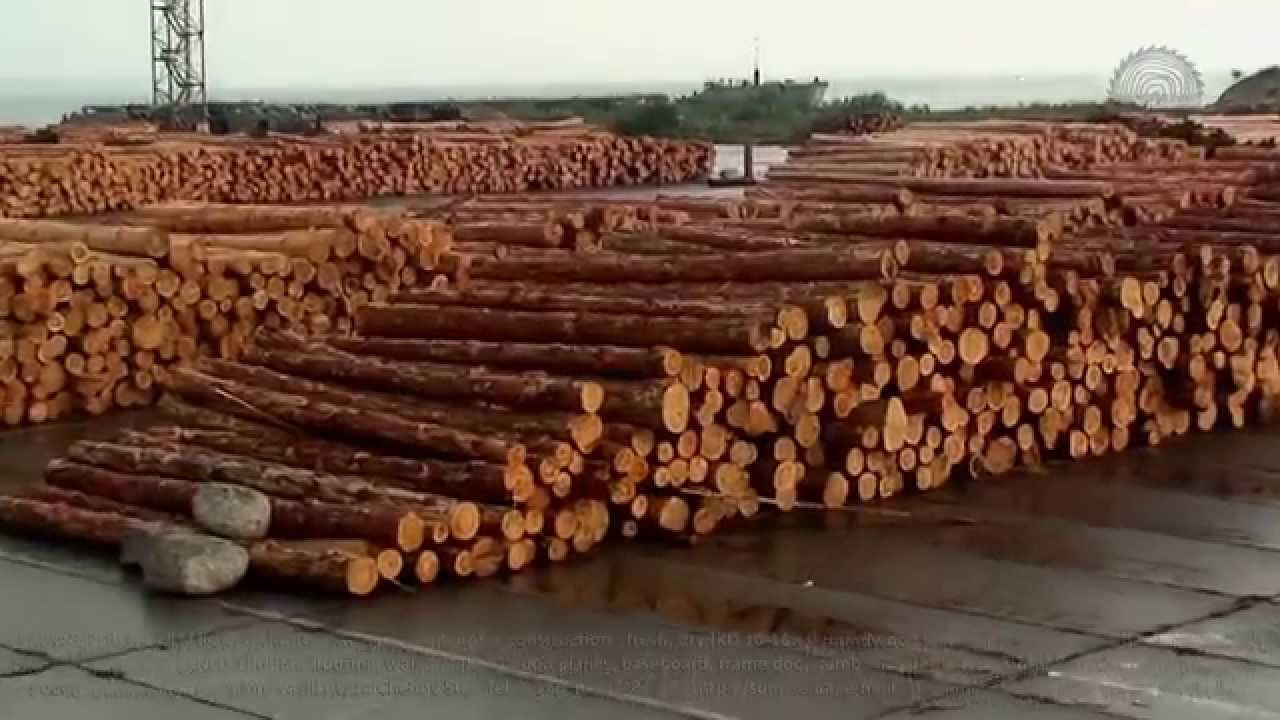
Ukraine has completely prohibited exports of any kind of roundwood from the country on January 1, 2017. According to the country’s legislation, till January 1, 2027 it is allowed to export only sawn (and further processed) wood.
Recently, Ukraine was advised by the EU to lift the ban on timber exports as to receive the next tranche of macro-financial assistance to the tune of EUR 600 million from the EU.
New head of the EU Delegation to Ukraine, Ambassador Hugues Mingarelli, said that the EU expects Kyiv to respect these condition as to be given the second EUR 600 million tranche. The EU has already issued the first tranche worth EUR 600 million.
According to Interfax Ukraine, the EU representatives are currently discussing these matters with the Ukrainian authorities. Also, the EU ambassador expressed the hope that this tranche will be provided to Ukraine soon, but said he cannot yet name a specific time frame.
Mingarelli was appointed head of the EU Delegation in Ukraine on July 21, 2016.
The Verkhovna Rada (Ukrainian Parliament) passed the Ukrainian Law Nr. 325-VIII (09.04.2015) in November 2015, which temporarily prohibits (10 years) the exportation outside the customs territory of Ukraine of untreated wood from all tree species (except pine) as of November 1, 2015. The same would apply to pine as well, but later - starting from January 1, 2017.
The legislative draft in question stipulated a temporary ban for the following: unprocessed wood including raw wood, such as roundwood in the form of logs, poles etc. with moisture content exceeding 22% and sawn timber with the thickness exceeding 70 mm and moisture content more than 22%.
Sawlog prices in Europe fell dramatically during Q3/2016

Over the past two years, sawlog prices have fallen more in Europe than in any other region of the world. Continue reading "Sawlog prices in Europe fell dramatically during Q3/2016"
Egger’s EBITDA increased by 10% during first half of FY 2016/2017
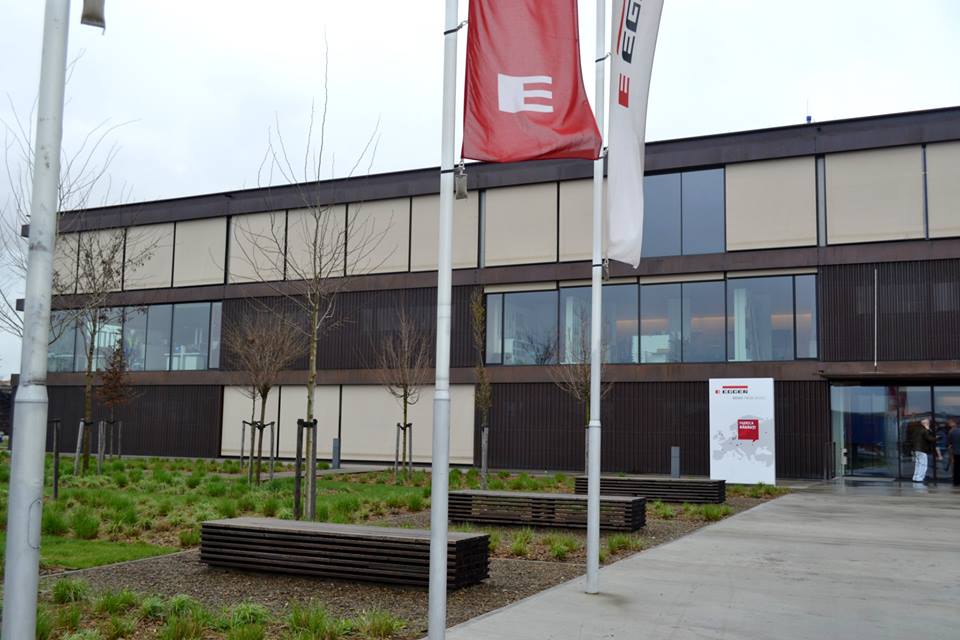
On December 21st 2016 the Egger Group reported on results of the first semester that ended on October 31st of the 2016/2017 FY.
Headquarters in St. Johann in Tirol (Austria), Egger has completed the first half of its financial year 2016/2017 with consolidated sales of EUR 1.19 billion. With this steady turnover development, the EBITDA increased by 10.1% on the previous year to reach EUR 189.6 million and the EBITDA margin increased to 15.9% (previous year: 14.4%).
"The general economic situation was very unstable in the last half-year. Nevertheless, as compared to the previous year, we were able to grow in almost all relevant geographic markets in our main product segment, Furniture and Interior Design, which represents 75% of our total turnover. The big exception is the UK, where uncertainty following the Brexit vote led to a devaluation of the currency," explains Thomas Leissing, Head of Finance/Administration/Logistics and spokesperson of the Egger Group Management.
In the first six months of the current 2016/2017 financial year, Egger invested EUR 145.6 million in property, plant and equipment, as well as in intangible assets (previous year: EUR 142.8 million).
EUR 36.4 million were maintenance investments. EUR 109.2 million were used for growth investments of which the main projects were: completing the installation of the MDF/HDF production line including flooring production in the Gagarin plant (RU), investments in energy, maintenance and storage capacities in the two French plants of Rambervillers and Rion, as well as an additional edging production line in the Brilon (DE) plant.
"Thanks to the continued high-level investments, we have 17 modern, environmentally-friendly and safe plants," said Walter Schiegl, Head of Production/Technology of the Egger Group.
Austrian wood pellets' price slightly rises during December
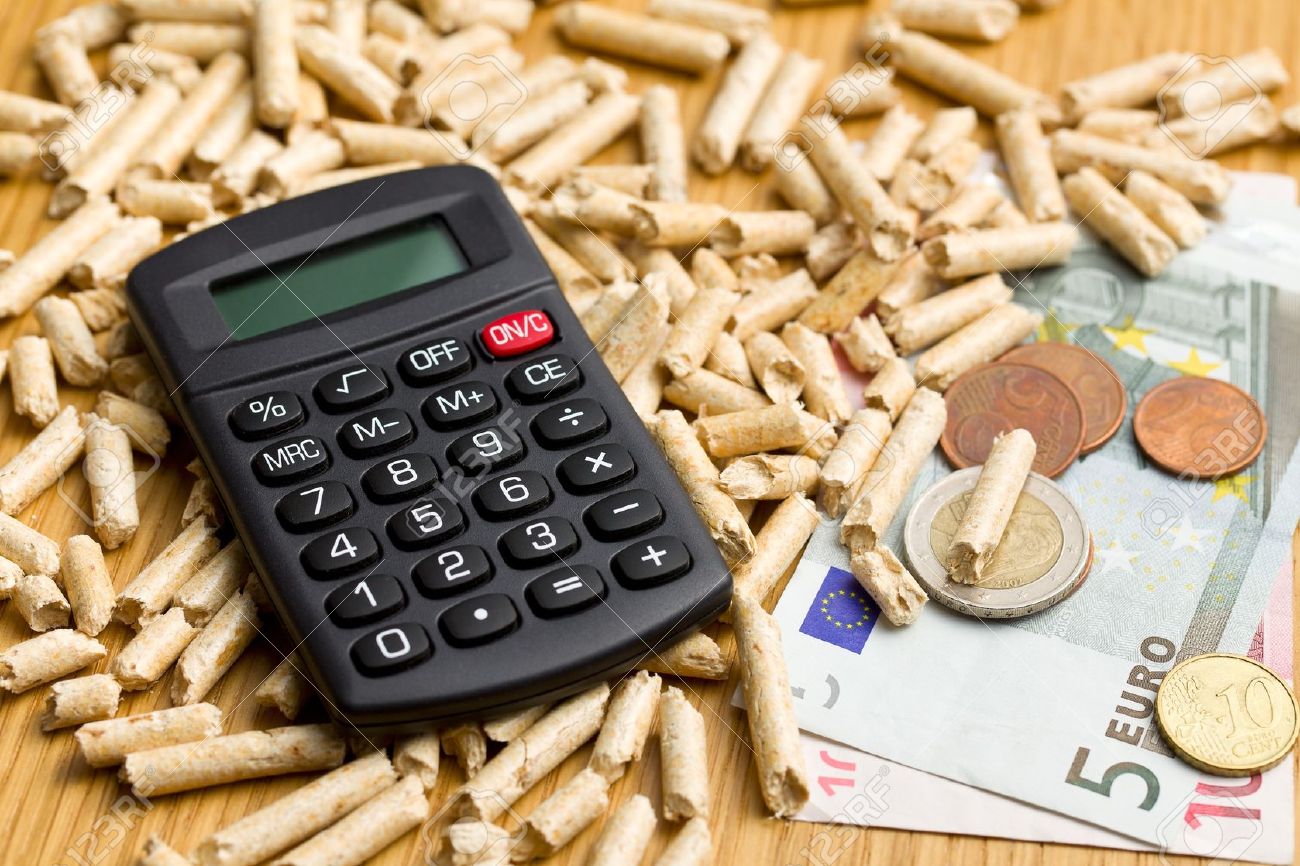
During December 2016, the price of Enplus A1 pellets in Austria reached an average of EUR 226.7 per tonne, or 4.63 Cent per kWh. This represents a 0.6% increase over November 2016 and a -1.8% decrease, as compared to the same month of 2015. Continue reading "Austrian wood pellets' price slightly rises during December"
Austrian wood pellets’ price slightly rises during December
During December 2016, the price of Enplus A1 pellets in Austria reached an average of EUR 226.7 per tonne, or 4.63 Cent per kWh. This represents a 0.6% increase over November 2016 and a -1.8% decrease, as compared to the same month of 2015. Continue reading "Austrian wood pellets’ price slightly rises during December"
World trade furniture outlook for global markets in 2017

In the past decade, the world trade of furniture has grown faster than furniture production to amount about 1 percent of world trade of manufactures.
The current US$94 billion in 2009 and grew to US$ 135 billion in 2014 before contracting in 2015 with no change in 2016. Forecasts are subject to major uncertainties because of possible effects of Brexit and of international trade policies of the new US administration. Continue reading "World trade furniture outlook for global markets in 2017"
Roundwood prices in Finland higher than a year ago in November

Roundwood prices in Finland mostly increased during November 2016, compared to the same month last year.
The highest price increase was registered in spruce logs, which Continue reading "Roundwood prices in Finland higher than a year ago in November"
Two major achievements for EU FLEGT in 2016
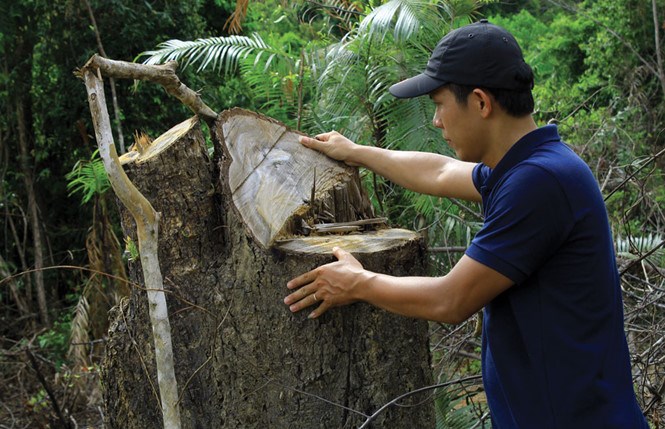
The EU’s FLEGT process has recorded two landmark events in recent weeks. The first ever FLEGT licenses were issued by the Indonesian Licensing Unit on 15 November and the licensed consignments landed in the EU in early December. And after nearly six years of negotiations, Vietnam and the EU agreed in principle to sign a FLEGT Voluntary Partnership Agreement (VPA) and to ratify the agreement as soon as possible in 2017.
The arrival of the first consignment of FLEGT licensed timber from Indonesia followed the EU’s decision in August this year to formally recognise the Indonesia licensing scheme for exports of verified legal timber to the EU, a decision which came into force on 15 November.
The relevant amendment to the EU FLEGT regulation acknowledged that Indonesia has fulfilled the requirements of the VPA and is therefore able to export FLEGT-licensed timber and timber products.
Any EU operator importing timber products into the EU from Indonesia is now required to submit the FLEGT license for verification to the FLEGT competent authority of the EU country where the timber will be imported. The FLEGT license will be supplied to the EU importer by the Indonesian exporter and the importer should submit it to the relevant EU competent authority before the timber arrives in the EU.
The decision by Vietnam and the EU to sign a VPA, which will eventually lead to a requirement for FLEGT licensing of all timber products imported into the EU from Vietnam, was jointly announced by EU Environment Commissioner Karmenu Vella and Vietnamese Minister of Agriculture and Rural Development Nguyen Xuan Cuong following a meeting on 17 November.
This VPA, for which negotiations started in October 2010, will be the EU’s second VPA with an Asian country (after Indonesia).
While the substance of the deal has been agreed, some technical and consistency checks across several hundred pages of text still have to be carried out. The EU and Vietnam hope to sign the VPA in 2017, following a final review by lawyers from both parties.
There will then follow a period for technical development and finalisation of the FLEGT licensing procedures in Vietnam, a process which will be overseen by an EUVietnam Joint Implementation Committee.
The scope of the agreement covers all export markets and the domestic market in Vietnam. In terms of sources, the agreement covers both imported timber, a major source of raw materials for Vietnam, and all domestic sources in Vietnam, including natural and plantation forests, confiscated timber (under specific conditions), timber from home-gardens, farms and scattered trees, and rubberwood.
The range of timber products included in the scope of the agreement encompasses all major products exported by Vietnam to the EU, particularly the five compulsory timber products as defined in the FLEGT Regulation of 2005 (logs, sawn timber, railway sleepers, plywood and veneer) and also includes a number of other timber products such as wood in chips or particles, parquet flooring, particle board and wooden furniture.
The core of the VPA is the description of the Vietnam Timber Legality Assurance System (VNTLAS), which will ensure that timber products exported from Vietnam to the EU are verified legal according to specified requirements for all stages of the supply chain, from import and harvesting onwards.
Rising Chinese softwood timber imports driven up by booming demand in the wood flooring industry

The global trade of softwood has been in a steady rise in the past few years. Statistics suggests that one of the major markets that has been driving this growth in trade is China which has been the world’s biggest importer of softwood timber since 2014.
China’s imports of softwood timber up steady
According to China customs data, the imports of softwood in China have been surging since the beginning of 2016. In the first 8 months, the import volumes of softwood timber has reached 14.2 million cubic meters, up by 22% compared with the same period of 2015. Continue reading "Rising Chinese softwood timber imports driven up by booming demand in the wood flooring industry"
Sawlog prices trending downward throughout the world over the past two years

Sawlog prices have trended downward throughout the world over the past two years with the GSPI Index being 14.3% lower in the 3Q/16 than in the 3Q/14.
The GSPI sawlog price index fell again in the 3Q/16 and was 21% below its all-time high five years ago. Over the past two years, sawlog prices have fallen far more in Europe than in North America, where prices have only seen a modest decline.
Global sawlogs prices fell in the 3Q/16 after a temporary increase in the 2Q/16 following an almost two year-long downward trend. The Global Sawlog Price Index (GSPI) has fallen by 14.3% in two years and is currently almost 12% below the ten-year average and 21% down from the all-time high in the second quarter of 2011.
The biggest price declines quarter-over-quarter occurred in British Colombia, Eastern Canada, Poland and Sweden. Although most key lumber-producing countries experienced lower log costs in the 3Q/16, there were also several regions where prices increased in US dollar terms, including Brazil, Russia, Norway and New Zealand. The major reason for the higher prices in this group of countries has been the strengthening of the currencies relative to the US dollar. In the local currencies, log price adjustments have been minimal in 2016.
Over the past two years, sawlog prices have fallen the least (just over five percent) in North America as compared to Latin America and Oceania, where prices were down by about 14%, and in Europe where prices currently are more than 20% below 2014 prices, reports the Wood Resource Quarterly. The biggest price declines on the European continent have been in Central Europe.
Regional sawlog prices around the world have generally converged during 2015 and 2016 with prices in high-cost regions having declined more than prices in low-cost regions. Despite these developments, price discrepancies between the large lumber-producing regions of the world have been higher in 2016 than they were back in 2000-2005.

