


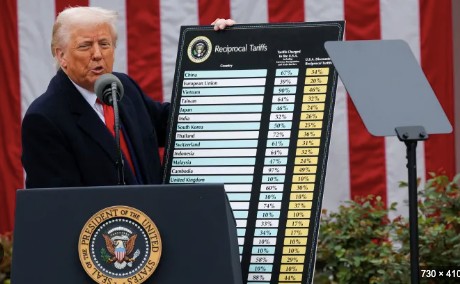
On Monday, the United States government invoked a trade law it had never used before. Section 338 of the 1930 Tariff Act allows a US president to impose duties of up to 50% on any country judged to be treating American commerce unfairly, without needing approval from Congress. It had sat unused for 96 years. This week, President Donald Trump applied it to Canada, placing a 50% tariff on close to $20 billion worth of Canadian goods — wine, cement, hockey sticks and more. Softwood lumber and timber were left off the list.
The exemption is procedural rather than generous. Each of the three proclamations signed on Monday specifically excludes goods already covered by Section 232, the national-security tariff regime under which Washington placed a 10% duty on Canadian timber and lumber last October, alongside a 25% charge on wood furniture items such as cabinets and vanities. Because lumber was already caught in that earlier action, it could not also be folded into this week's broader measure.
 Thousands of quality articles