


For years, Poland’s wood industry expanded on a combination that few countries in Europe could match: a large domestic timber base, comparatively low production costs, dense industrial clusters and quick access to Germany and the main Western European markets. Sawmills, panel plants, pulp and paper producers, pallet manufacturers, component factories and furniture companies developed around the same resource, creating a chain in which wood could pass through several stages of processing before leaving the country as a finished product.
Much of that structure is still there. What has become less predictable is the environment in which it operates. Raw-material policy is under discussion, competition for logs and industrial residues is increasing, downstream margins have narrowed and companies are having to spend more time and money on documentation. Import competition is also reaching further into the Polish market, while EUDR and the debate over future harvesting rules have made long-term planning more complicated.
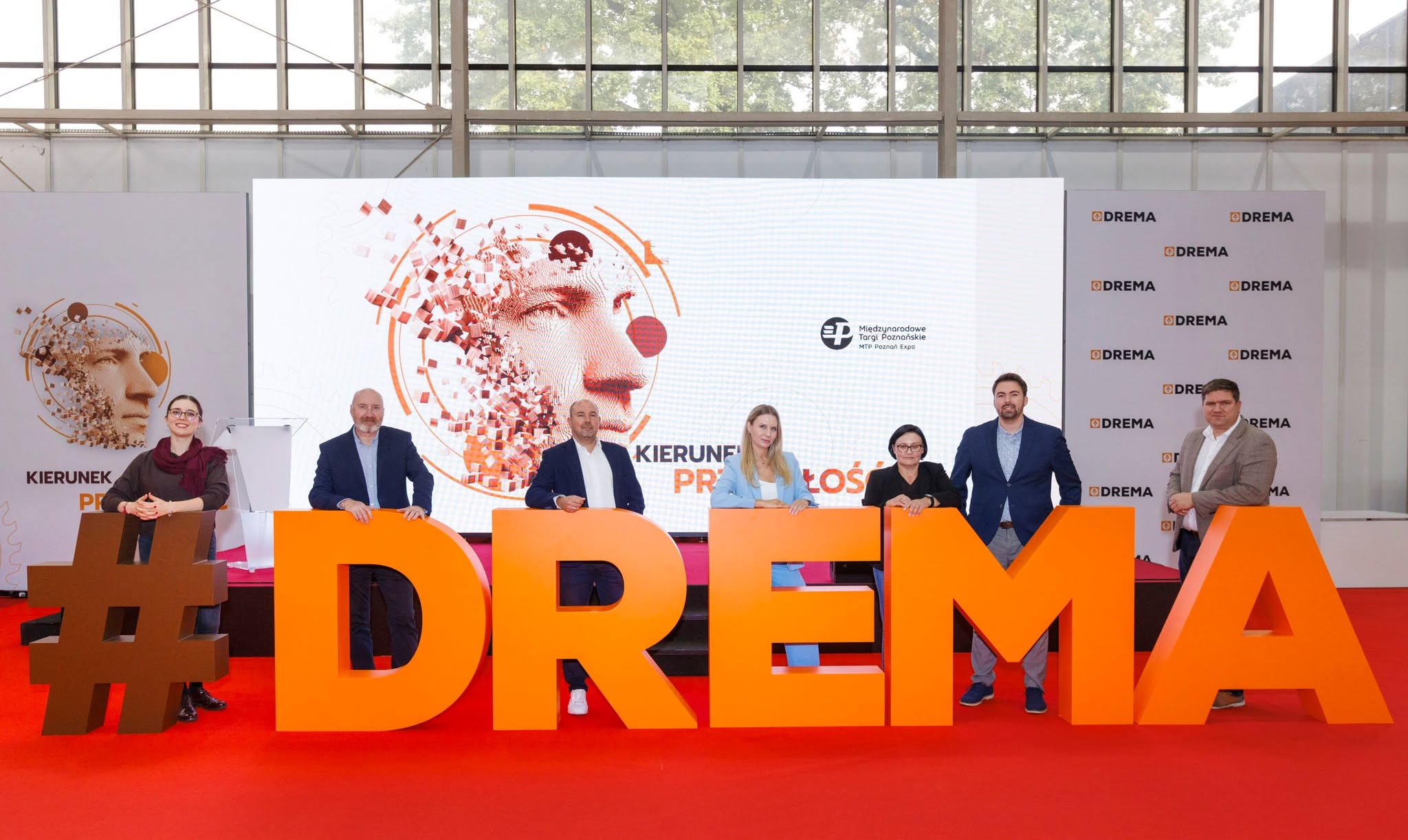
GWMI attended the recent DREMA trade fair in Poznań and spoke with sawmill operators, timber traders, machinery suppliers and companies from different parts of the Polish wood-processing chain. The conversations moved repeatedly between the same subjects: how much wood will be available in the coming years, what mills can afford to pay for sawlogs, whether lumber prices can keep pace with raw-material costs, how valuable residues have become and how much additional administration companies can absorb.
 Thousands of quality articles